 how-to
How to Soothe Dog Separation Anxiety: A Step-by-Step Guide
Table of Contents
- Understanding Separation Anxiety: Signs of Dog Separation Anxiety
- Why Dogs Develop Separation Anxiety
- Dog Anxiety Training Techniques That Work
- Physical Exercise and Environmental Enrichment
- Dog Daycare Benefits for Separation Anxiety
- Creating a Departure Routine That Reduces Anxiety
- When to Seek Professional Help
- Frequently Asked Questions
Last Updated: September 22, 2026
Understanding Separation Anxiety: Signs of Dog Separation Anxiety
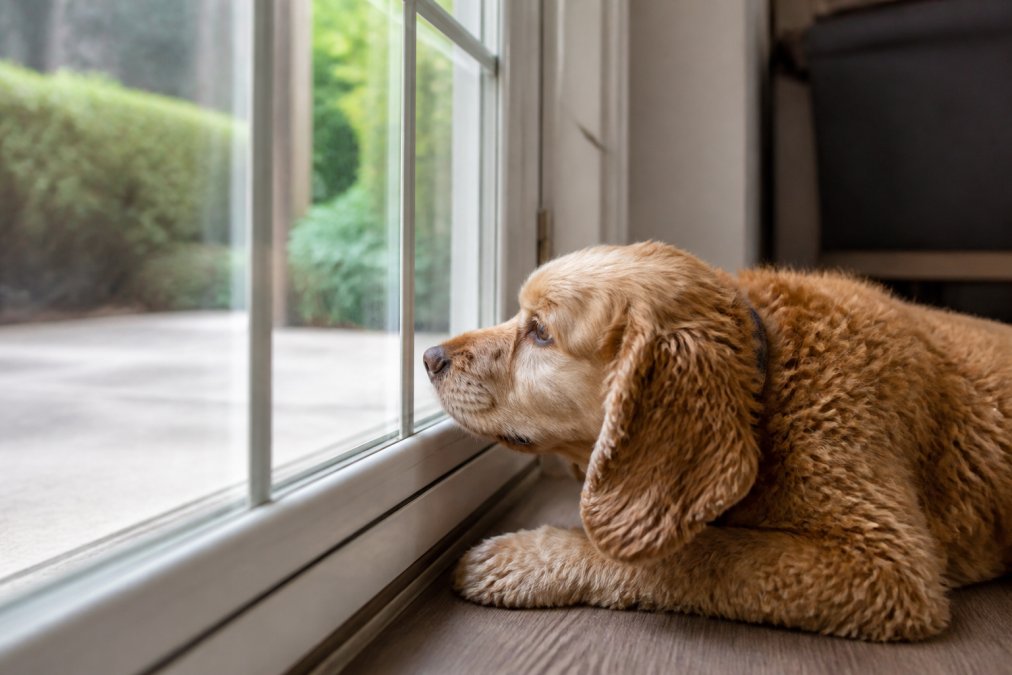
Separation anxiety in dogs is extreme distress when separated from their owner, far beyond normal sadness, and learning how to soothe dog separation anxiety requires patience and the right techniques. Dogs with separation anxiety panic, often destructively, because they believe you won't return.
Recognizing Stress Signals and Body Language
Your dog's body tells you what they're feeling. Watch for these stress signals:
- Panting or drooling excessively
- Pacing back and forth repeatedly
- Whining or barking continuously
- Trembling or shaking
- Dilated pupils
- Ears pinned back against the head
- Tail tucked between the legs
A stressed dog can't settle, won't eat treats, and ignores toys, their entire focus is on your absence.
Destructive Behavior vs. Normal Puppy Antics
Puppies chew normally, but anxious dogs destroy only when you leave. Look for damage at departure time and focus on exits, doors, and door frames, that's anxiety, not curiosity.
Anxiety-driven destruction targets barriers: scratching doors, digging baseboards, chewing drywall. Your dog is trying to escape to find you, not explore.
Why Dogs Develop Separation Anxiety
Dogs are pack animals; in the wild, separation meant danger. Your dog's brain still works this way, activating ancient instincts when you leave.
Some dogs are genetically predisposed to anxiety. German Shepherds, Labrador Retrievers, and Cocker Spaniels show higher rates of separation anxiety; anxious parents often produce anxious offspring.
Life changes trigger anxiety: moves, schedule changes, pet loss, traumatic events, new family members, or household shifts.
The pandemic created separation anxiety in many dogs accustomed to constant companionship. The sudden return to office work felt like abandonment, and reversing that transition shock takes time.
Dog Anxiety Training Techniques That Work
To soothe dog separation anxiety, training requires patience and consistency to rebuild your dog's confidence that you will return. Combine multiple techniques for stronger results; one strategy alone won't work.
Systematic Desensitization Protocol
Systematic desensitization means gradually exposing your dog to separation in small doses: leave for 30 seconds, return before anxiety starts, repeat 5-10 times, then increase duration by 30 seconds. Move to the next duration only when your dog stays calm. Jumping too fast triggers panic, which worsens anxiety. A dog might spend two weeks at five minutes before advancing to ten. Speed doesn't matter; consistency does.
Counter-Conditioning and Positive Reinforcement
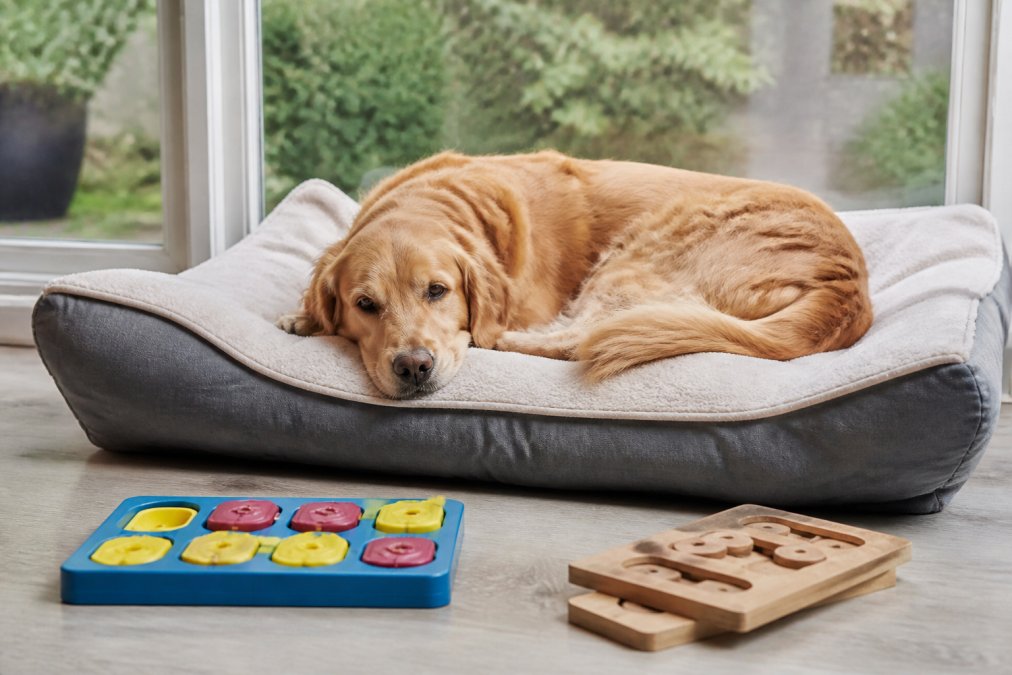
Counter-conditioning changes your dog's emotional response to departure. Create a special treat or toy (puzzle toy with frozen peanut butter, long-lasting chew) that ONLY appears when you leave. Your dog learns that departure cues signal something amazing, not danger.
Reward calm behavior: praise your dog when they stay relaxed during departure prep, and celebrate when they remain calm after you leave.
Building Independence Through Safe Spaces
Create a safe space (room or area) with a comfortable bed, water bowl, puzzle toys, pheromone diffuser, and calming music. Practice spending time there while home. Eventually, your dog will retreat to this space when stressed, giving them an outlet for anxiety instead of panicking throughout the house.
Physical Exercise and Environmental Enrichment
Exercise reduces cortisol (stress hormone) and gives anxious dogs an outlet for nervous energy, resulting in a calmer dog.
Aerobic Activity and Routine Stability
Aim for 30-60 minutes of daily aerobic activity (running, fetch, swimming, dog park, agility) at the same time each day. Routine stability matters enormously for anxious dogs. Exercise right before departure is strategic, a tired dog rests instead of panicking.
Puzzle Toys and Mental Stimulation
Puzzle toys redirect anxious energy into problem-solving. Rotate toys weekly to maintain interest. Leave puzzle toys out only when you leave to create a positive association with departure.
Dog Daycare Benefits for Separation Anxiety
Quality daycare provides supervised play, social interaction, staff trained in anxiety recognition, consistent routines, and safe separation exposure. We watch for stress signals. Daycare accelerates progress when combined with home training. Start with two-hour sessions once weekly, then increase frequency and duration as your dog builds confidence.
Creating a Departure Routine That Reduces Anxiety
Anxiety thrives on unpredictability. A departure routine removes that uncertainty.
Monitoring Your Routine's Effectiveness With Pet Cameras
A pet camera with two-way audio provides real data on whether your routine is working. Without it, you're guessing about what happens after you leave. With it, you see exactly when and how your dog's anxiety manifests, revealing whether to adjust your routine or desensitization timeline.
What to look for in a pet camera:
- Two-way audio: Essential for the rare moments you need to provide reassurance.
- Night vision: Useful for monitoring evening or early-morning departures.
- High frame rate: Helps you catch subtle behaviors like panting, trembling, or ear position changes.
- Cloud or local storage: So you can review footage later without the camera running constantly.
- Sound alerts: Some cameras notify you if your dog barks or whines, though this can become intrusive if you're trying to build independence.
Adjusting Your Routine Based on What You Observe
Once you have camera footage, use it to refine your approach:
- If your dog panics immediately after you leave: Your routine cues might be too abrupt. Try a longer transition period or add an intermediate step (e.g., put on shoes, wait 5 minutes, then leave).
- If your dog settles quickly but then panics when they hear your car start: The auditory cue of your departure is the trigger, not the visual one. Practice starting your car while home and remaining calm, then gradually increase the duration.
- If your dog ignores the puzzle toy: The reward isn't high-value enough, or your dog is too anxious to eat. Switch to a higher-value treat or simplify the puzzle toy until anxiety decreases.
- If your dog settles but wakes up panicked 10 minutes later: Your dog may have a secondary anxiety spike. This is common and usually resolves with continued training, but it tells you that your dog needs more practice at that duration before you extend departures further.
When to Seek Professional Help
Some cases require professional intervention. You need a veterinary behaviorist if:
- Your dog's anxiety is severe and getting worse
- You've tried training for two months with no improvement
- Your dog is injuring themselves
- Your dog is destroying your home
- You're considering rehoming because of the behavior
Understanding Medication as a Training Bridge, Not a Cure
One of the most misunderstood aspects of separation anxiety treatment is the role of prescription medication. Many owners view medication and training as competing options: either your dog needs pills, or they need training. In reality, the most effective approach often combines both.
A typical timeline looks like this:
- Weeks 1-2: Your veterinarian prescribes medication and you begin baseline training (safe space setup, departure routine, light desensitization).
- Weeks 3-8: As medication takes effect (most SSRIs require 4-6 weeks to reach full efficacy), you intensify systematic desensitization. Your dog is now calm enough to learn.
- Weeks 8-12: You gradually reduce medication dosage under veterinary supervision while maintaining or advancing training protocols.
- Month 4+: Many dogs remain stable on lower doses or discontinue medication entirely, having internalized the behavioral changes.
Questions to Ask Your Veterinarian
When discussing medication, ask:
- Is my dog's anxiety severe enough that medication would help training stick?
- What medication is being considered, and how long until it takes effect?
- What are the side effects, and how will we monitor them?
- What is the plan for tapering medication once training progresses?
- Should we combine medication with a specific training protocol?
- How often will we reassess to see if dosage needs adjustment?
Your veterinarian may also discuss whether a short-term sedative (used only during the most stressful departures early in training) might help your dog get through the initial panic phase while longer-acting medication builds up in their system.
Natural Supplements and Their Limitations
Many owners first try calming supplements: L-theanine, melatonin, or adaptogenic herbs like ashwagandha. These have modest evidence for mild anxiety and are worth discussing with your veterinarian. However, they rarely provide enough relief for moderate-to-severe separation anxiety to enable training on their own.
Professional Trainers Specializing in Separation Anxiety
A certified professional dog trainer (CPDT-KA) or veterinary behaviorist who specializes in separation anxiety can accelerate progress significantly. They bring expertise in reading subtle stress signals, adjusting desensitization pace, and troubleshooting when progress stalls.
Look for trainers who:
- Use force-free, science-based methods (systematic desensitization and counter-conditioning)
- Work with your veterinarian, not against medication
- Provide a written training plan with measurable milestones
- Offer follow-up support and adjustment as your dog progresses
- Have experience with the specific triggers your dog faces (e.g., post-pandemic re-entry, multi-dog households, crate anxiety)
Frequently Asked Questions
What are the main signs of dog separation anxiety?
Dogs with separation anxiety typically show destructive behavior, excessive vocalization, house soiling, pacing, and panic responses when left alone. Stress signals include trembling, drooling, and attempts to escape. Some dogs display hyper-attachment behaviors, following owners constantly or becoming distressed at departure cues. Severity ranges from mild whining to severe destructive behavior that damages property or causes injury.
How do dog anxiety training techniques like desensitization actually work?
Systematic desensitization gradually exposes your dog to alone time at a pace they can handle, starting with seconds and slowly increasing duration. Counter-conditioning pairs departures with positive experiences, so your dog associates your leaving with something enjoyable like treats or toys. Together, these behavior modification methods lower anxiety triggers and teach your dog that alone time is safe. Progress takes weeks to months depending on severity.
What dog daycare benefits can help with separation anxiety?
Professional dog daycare provides socialization, supervised play, and consistent routine stability that reduce anxiety triggers. Dogs receive aerobic activity and mental stimulation, which lower cortisol levels and stress. Trained staff can implement counter-conditioning and positive reinforcement during the day. For dogs with severe anxiety, daycare offers a safe, engaging environment with human supervision, preventing panic responses and destructive behavior while owners are at work.
How long does it take to treat separation anxiety in dogs?
Timeline depends on severity and consistency of training. Mild cases may improve in 4-6 weeks with daily practice. Moderate to severe anxiety typically requires 2-3 months or longer of systematic desensitization and environmental enrichment. Some dogs benefit from anxiolytics prescribed by a veterinary behaviorist alongside training. Professional guidance accelerates progress and prevents setbacks. Post-pandemic transitions and breed-specific predispositions can extend recovery time.