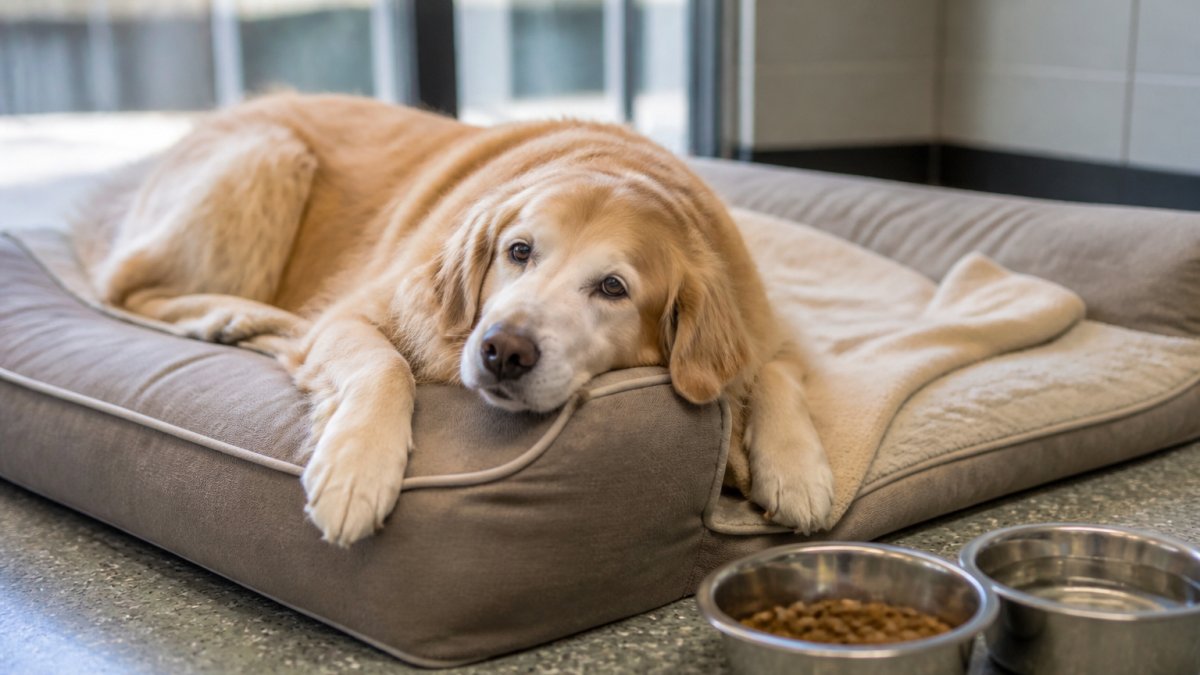
 listicle
Luxury Dog Boarding for Senior Dogs: 2026 Review
Table of Contents
- Luxury Dog Boarding for Senior Dogs: What Actually Matters
- How We Evaluated These Senior-Friendly Facilities
- Senior Dog Boarding Requirements: A Non-Negotiable Checklist
- Medication Administration for Boarded Dogs: What to Confirm First
- How to Prepare a Senior Dog for Boarding: A Step-by-Step Plan
- Reviews: 7 Luxury Boarding Options for Senior Dogs
- Ruffin' It Ranch: 24/7 Staff and Raw Diet for Special-Needs Seniors
- Two Hands Four Paws: Geriatric-Only Expertise With Mandatory Consultation
- Golden Paws Pet Resort: Unlimited Medication Administration in a Resort Setting
- The Bone Adventure: A Quieter, Home-Like Alternative for Anxious Seniors
- Alicia Pet Care Center: Veterinary-Supervised Boarding for Fragile Dogs
- DIGS Dog Boarding: Overnight Staff With Transparent Pricing
- Wags and Wiggles: Climate-Controlled Comfort at a Lower Price Point
- Which Facility Fits Your Senior Dog?
- Frequently Asked Questions
Last Updated: September 30, 2026
Luxury Dog Boarding for Senior Dogs: What Actually Matters
A senior dog is not a small puppy with gray hair. Their joints stiffen overnight, their hearing fades, and a strange kennel that thrilled them at age three can now trigger days of anxiety. That is why luxury dog boarding for senior dogs is a different service than standard boarding, and why the details that matter most are rarely the ones printed in the brochure.
How We Evaluated These Senior-Friendly Facilities
We scored each facility on five criteria that matter for older dogs: mobility support, medication administration policy, overnight staffing, environment (noise and temperature control), and intake process.
Price transparency counted too, but only as a tiebreaker.
Senior Dog Boarding Requirements: A Non-Negotiable Checklist
Senior dog boarding requirements come down to six things: orthopedic bedding, non-slip flooring, medication administration, nighttime monitoring, temperature control, and a quiet, low-traffic sleeping area.
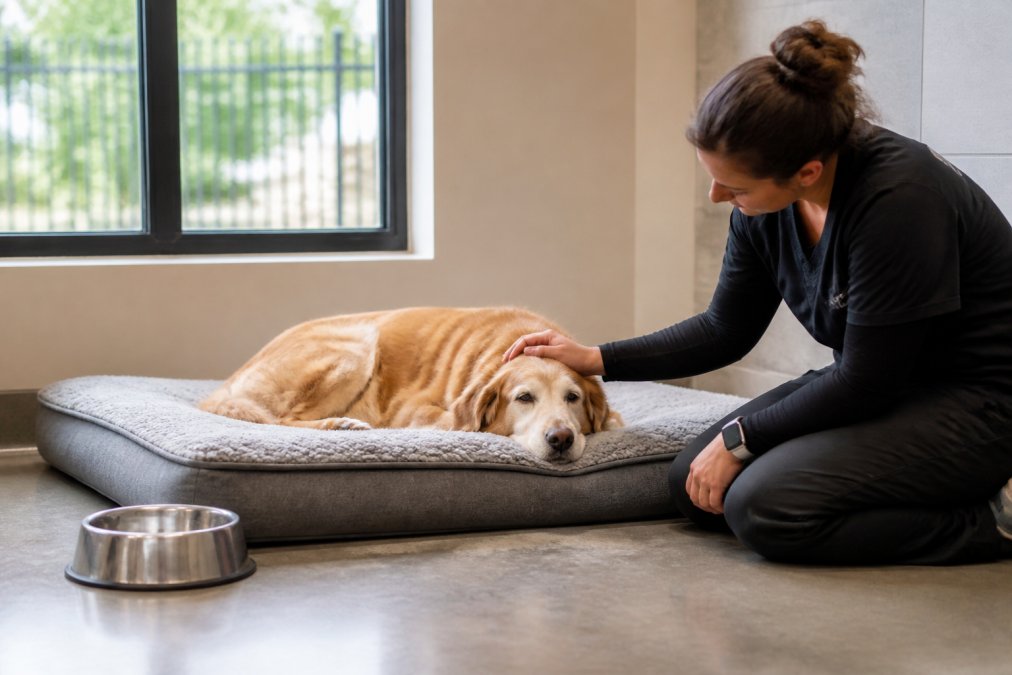
Mobility Support and Non-Slip Surfaces
Hard tile and polished concrete are the enemy of a dog with hip dysplasia or weak hind legs. The fix is not a throw rug here and there. Look for continuous rubber matting or interlocking foam across every surface your dog will walk on, including the path from the suite to the outdoor run.
Ask these questions on the tour:
- Flooring: Is the non-slip surface continuous, or only in the sleeping area? A dog that crosses a slick hallway to reach the yard is still at risk.
- Ramps vs. stairs: Are there ramps into vehicles, raised beds, and outdoor runs? A single step can be a fall risk for a dog with weak hindquarters.
- Bed height: Are beds low-entry, or do they require a dog to step up? Low-profile orthopedic beds let a senior lie down and rise without assistance.
- Lifting protocol: If your dog cannot rise on their own, who lifts them, and how? A sling or harness is safer than arms under the belly.
Cognitive Dysfunction (CCD) Management and Nighttime Monitoring
Canine cognitive dysfunction is the dog equivalent of dementia, and it worsens in unfamiliar places. Sundowning, pacing, staring at walls, and nighttime vocalizing are common as light fades.
A few CCD-specific accommodations worth asking about:
- Night lighting: Is there a dim nightlight rather than full darkness or harsh overheads? Abrupt light changes can trigger disorientation.
- Scent continuity: Can you send a worn t-shirt or the dog's usual blanket? Familiar scent reduces pacing.
- Routine anchoring: Does the facility feed and walk at consistent times, or does the schedule shift day to day?
- Safe wandering: If your dog paces, is the space enclosed and free of trip hazards, or will they be confined to a small run?
Medication Administration for Boarded Dogs: What to Confirm First
Medication administration for boarded dogs should be confirmed in writing before drop-off, including who gives each dose, at what time, and how missed doses are handled.
Vague answers here are a red flag.
How to Prepare a Senior Dog for Boarding: A Step-by-Step Plan
Preparing a senior dog for boarding starts two weeks out. The goal is to make the facility feel familiar before your dog ever sets paw inside it, and to have a written plan for the days after pickup, not just the days during the stay.
Two Weeks Before
- Book a trial day stay. A single day visit at least two weeks out lets staff observe your dog's mobility, appetite, and temperament without the pressure of an overnight.
- Confirm the medication plan in writing. Include exact times, doses, route (oral, topical, injection), and what happens if a dose is refused.
- Share your vet's contact info and authorize emergency treatment. A signed authorization avoids delays if something happens while you are unreachable.
- Ask how updates will be delivered. Photos, texts, or a daily summary, get the cadence in writing so you are not guessing.
The Week Before
- Send familiar items. Your dog's bed, a worn t-shirt with your scent, and their usual food. Sudden diet changes cause GI upset in seniors even when the food is higher quality.
- Pre-portion medications. Use a labeled pill organizer or sealed daily packets so staff are not counting pills at 6 a.m.
- Write a one-page care sheet. Include feeding schedule, walk limits, favorite resting spots, triggers to avoid, and the name your dog actually answers to.
Drop-Off Day
- Keep drop-off calm and brief. Long goodbyes raise anxiety in both of you. Hand off the care sheet, confirm the first update time, and leave.
Post-Boarding Decompression Protocol
A practical decompression plan:
- First evening: Keep it quiet. No dog park, no visitors, no grooming appointment. Let your dog sleep.
- Feeding: Offer smaller, more frequent meals for the first 24 hours rather than one large meal. Seniors with sensitive stomachs do better with gradual return to normal portions.
- Hydration: Refresh water frequently and watch for reduced drinking, which can signal stress or nausea.
- Movement: Short, gentle leash walks only for the first two days. Skip stairs and slippery floors where possible.
- Monitoring: Watch for limping, refusal to eat, vomiting, diarrhea, or unusual lethargy. Mild changes are normal; anything lasting more than 48 hours warrants a call to your vet.
- Reassurance: Extra proximity and a familiar routine help a disoriented dog re-anchor. This is not spoiling; it is recovery.
A decompression plan is not a sign that boarding failed; it is normal recovery for an older dog. The facilities that handle seniors well will expect it and can tell you what to watch for based on what they observed during the stay.
Reviews: 7 Luxury Boarding Options for Senior Dogs
These seven facilities stood out for senior-specific care. We start with the one we run, because we know its protocols best.
Ruffin' It Ranch: 24/7 Staff and Raw Diet for Special-Needs Seniors
Our own facility in Marlboro is built around 24/7 on-site professional staff and a climate-controlled environment with large private indoor and outdoor runs. For seniors, that means someone is present overnight, and your dog is never left in a cage.
Two Hands Four Paws: Geriatric-Only Expertise With Mandatory Consultation
This facility specializes in geriatric and special-needs care and requires a pre-boarding consultation before booking. That intake process is a feature, not friction: it ensures staff understand your dog's mobility limits and medical history before arrival.
Golden Paws Pet Resort: Unlimited Medication Administration in a Resort Setting
Golden Paws offers a dedicated senior care package with unlimited medication administration and deluxe suite options. If your dog takes multiple daily medications, the flat-rate approach removes the per-dose math.
Deluxe suites cost extra, so budget accordingly.
The Bone Adventure: A Quieter, Home-Like Alternative for Anxious Seniors
This facility markets specifically to older dogs and puppies, with a mellow, home-like atmosphere and balanced play-and-rest schedules. For a senior who finds chaos exhausting, that pacing is the appeal.
Alicia Pet Care Center: Veterinary-Supervised Boarding for Fragile Dogs
Boarding here comes with on-site veterinary oversight, which suits dogs with heart conditions, diabetes, or recent surgeries. The environment leans clinical rather than resort-style.
DIGS Dog Boarding: Overnight Staff With Transparent Pricing
DIGS publishes its rate at $110 per night and includes a full day of daycare with boarding, plus overnight staff on site. Rooms measure 4' x 6' x 8'.
Wags and Wiggles: Climate-Controlled Comfort at a Lower Price Point
At $52 per night, Wags and Wiggles undercuts most of this list while offering air-conditioned suites and a quiet, clean environment. Pricing varies by suite selection.
| Facility | Starting Rate | Overnight Staff | Best For |
|---|---|---|---|
| Ruffin' It Ranch | Contact for pricing | Yes, 24/7 | Special-needs and anxious seniors |
| Two Hands Four Paws | Contact for pricing | Not stated | Complex geriatric cases |
| Golden Paws Pet Resort | Contact for pricing | Not stated | Multi-medication schedules |
| The Bone Adventure | Contact for pricing | Not stated | Anxious, quiet-seeking seniors |
| Alicia Pet Care Center | Contact for pricing | Veterinary oversight | Fragile, medically complex dogs |
| DIGS Dog Boarding | $110/night | Yes | Supervision plus daily activity |
| Wags and Wiggles | $52/night | Not stated | Budget-friendly comfort |
Which Facility Fits Your Senior Dog?
Match the facility to your dog's biggest vulnerability, not to the nicest photos.
Frequently Asked Questions
What specific medical accommodations should luxury dog boarding offer for senior dogs?
Look for facilities that provide medication administration, veterinary oversight or an on-call vet, temperature-controlled suites, non-slip flooring, orthopedic bedding, and separate quiet zones away from high-energy dogs. Some facilities offer unlimited medication administration as part of a senior care package. Ask whether staff are trained to recognize pain signals, monitor appetite and water intake, and handle mobility support like slings or ramps. A facility that can't describe its health monitoring routine in specific terms is not set up for geriatric dogs.
Is 24/7 supervision necessary for senior dogs in boarding?
For most senior dogs, 24/7 on-site staff is strongly preferable. Older dogs can develop nighttime anxiety, cognitive dysfunction, or medical issues that need fast attention. Facilities with overnight staff can respond to pacing, disorientation, or a sudden refusal to eat. If a facility only has cameras and no one on-site overnight, ask how emergencies are handled and how quickly someone can arrive. For dogs with CCD or chronic conditions, overnight staffing is close to essential.
How do luxury boarding facilities manage mobility issues in older dogs?
The best facilities use non-slip surfaces in suites and hallways, provide ramps or steps for beds, offer orthopedic bedding that supports joints, and assign staff to help dogs with gentle handling during potty breaks. Some facilities limit stairs entirely for senior guests and use ground-level runs. Ask whether the facility has experience with dogs using wheelchairs, harnesses, or slings. Also confirm that outdoor areas are shaded and close to the suite so arthritic dogs aren't walking long distances.
How should I prepare my senior dog for boarding to reduce stress?
Start with a trial day visit or a short overnight stay weeks before your trip so your dog adjusts gradually. Bring familiar bedding, a worn t-shirt with your scent, and the same food your dog eats at home to avoid digestive upset. Pack medications in original labeled containers with written instructions. Update vaccinations and share your vet's contact information. On drop-off day, keep goodbyes short and calm. After pickup, plan a quiet decompression period with low activity, normal routines, and close observation for 24 to 48 hours.
A senior dog's boarding stay should reduce your worry, not create it. If your dog needs 24/7 supervision, private runs, medication handled on schedule, and a calm, climate-controlled space, Ruffin' It Ranch was built for that. Our team provides individualized care for seniors, puppies, and special-needs dogs, with a signature crafted raw diet available and cage-free grooming that keeps sore joints comfortable. Get started with Ruffin' It Ranch and book a stay your senior dog can handle.