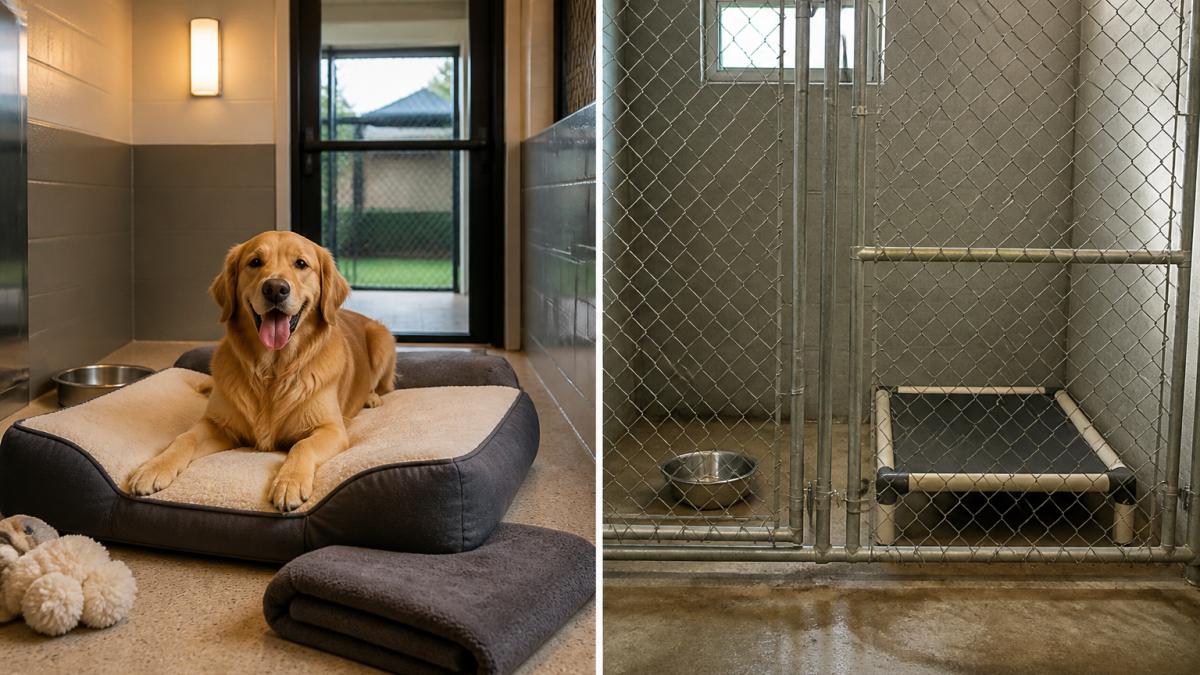
 comparison
The Posh Pooch vs Local Kennels: 2026 Boarding Guide
Table of Contents
- The Posh Pooch vs Local Kennels: What Actually Differs
- Pricing Breakdown: Posh Pooch vs Local Kennels
- What to Look for in a Dog Boarding Facility
- Luxury Dog Boarding for Senior Dogs: What Changes After Age 7
- How to Prepare Your Dog for Their First Boarding Stay
- Anxiety and Aggression: When Standard Boarding Won't Work
- The Standardized Safety Checklist Every Owner Should Run
- Conclusion: Choosing the Right Boarding Fit for Your Dog
- Frequently Asked Questions
Last Updated: September 27, 2026
The Posh Pooch vs Local Kennels: What Actually Differs
The posh pooch vs local kennels debate comes down to a single question: what does your dog actually experience during a stay? A boutique pet resort typically offers cage-free suites, spa-style grooming, and structured playgroups. A traditional local kennel often provides a clean run, scheduled walks, and a lower price. Both can work. But the gap between them is rarely about luxury for its own sake. It is about supervision, space, and how much stress your dog carries while you are away.
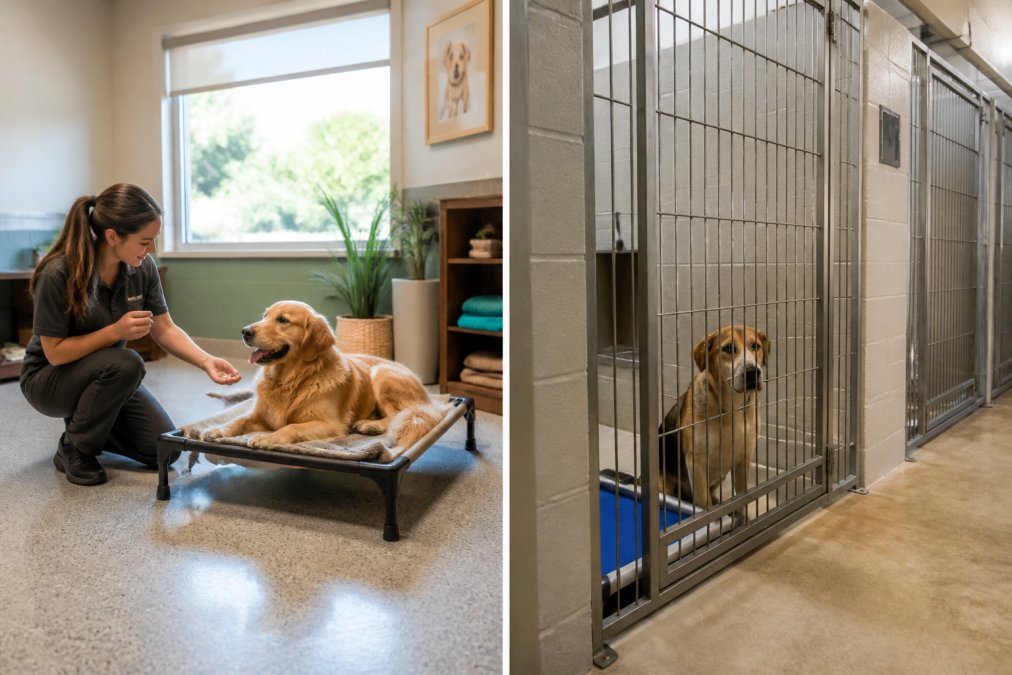
Here is the core difference. A pet resort is a facility built around amenities and enrichment: playgroups, private suites, grooming services, and climate-controlled indoor and outdoor space. A local kennel is built around containment and routine: individual runs, feeding schedules, and limited interaction.
Pricing Breakdown: Posh Pooch vs Local Kennels
Pricing for boarding varies widely by region, facility type, and the services included, so no single number tells the full story. But the real gap in most comparisons is that they stop at the sticker price. A data-driven cost-benefit analysis looks at what you actually get per dollar, not just the nightly rate.
- Base boarding rate
- Required exercise or playtime (if not included)
- Medication or special-care fees
- Grooming or bath (if needed during stay)
- Peak-season surcharges
- Deposit or cancellation fees
| Cost Factor | Boutique Pet Resort | Traditional Local Kennel |
|---|---|---|
| Base nightly rate | Higher, often bundled | Lower, often à la carte |
| Playtime / exercise | Usually included | Often an add-on |
| Grooming | Spa-style, on-site | Basic or outsourced |
| Private suite | Common | Not always available |
| Multi-pet discount | Sometimes offered | Varies |
| Deposit policy | May require a deposit | Often none |
| Peak-season surcharge | Common | Less common |
| Medication administration | Often included | Usually extra |
What to Look for in a Dog Boarding Facility
What to look for in a dog boarding facility comes down to four things: supervision, space, cleanliness, and communication. A facility can have a beautiful lobby and still fail on all four. Tour in person, ask direct questions, and watch how staff interact with the dogs already there. To make the comparison objective, use the standardized safety checklist below on every tour.
Staff-to-Dog Ratio and Supervision Standards
A healthy staff-to-dog ratio is the single best predictor of a safe stay. Ask how many handlers are on-site overnight, not just during the day. Overnight monitoring matters most, because that is when problems go unnoticed. A common benchmark is at least one staff member on-site 24/7 for overnight boarding. If a facility cannot tell you the overnight ratio, that is a red flag.
Facility Environment: Climate Control, Space, and Cleanliness
A climate-controlled environment protects dogs from heat and cold stress, and spacious private indoor and outdoor runs reduce the crowding that fuels kennel stress. Walk the space yourself. Look for ventilation, clean water, and enough room for a dog to stand, turn, and lie down comfortably. If you cannot tour the space, that is a red flag.
The Standardized Safety Checklist Every Owner Should Run
Use this checklist on every tour. Do not skip items because a place looks nice.
| Safety Check | What to Confirm | Why It Matters |
|---|---|---|
| Overnight staffing | Someone on-site 24/7 | Emergencies happen at night |
| Vaccination policy | Records required for all dogs | Prevents disease spread |
| Behavior screening | Assessment before acceptance | Protects all dogs |
| Veterinary access | A plan for emergencies | Fast care when needed |
| Space per dog | Room to stand and turn | Reduces stress and injury |
| Communication | Updates or photos available | Peace of mind for you |
| Cleaning protocol | Disinfectant schedule and products | Reduces illness risk |
| Isolation area | Separate space for sick dogs | Prevents outbreaks |
| Staff training | Pet first aid or CPR certified | Better emergency response |
| Tour policy | Open tour before booking | Transparency about conditions |
Luxury Dog Boarding for Senior Dogs: What Changes After Age 7
Luxury dog boarding for senior dogs is less about amenities and more about accommodation. Older dogs often have arthritis, reduced hearing or vision, and lower tolerance for noise and young, high-energy play. A calm, climate-controlled suite with soft bedding and short, gentle exercise beats a busy playgroup every time.
How to Prepare Your Dog for Their First Boarding Stay
How to prepare your dog for their first boarding stay starts weeks before drop-off. Dogs do best with gradual exposure, not a sudden introduction to a new place. Use this timeline:
- Four weeks out: Book a trial daycare day so your dog learns the space
- Three weeks out: Confirm vaccination records and any medication instructions
- Two weeks out: Pack your dog's regular food to avoid stomach upset
- One week out: Bring a familiar blanket or toy that smells like home
- Day before: Exercise your dog well so they arrive calm, not wired
- Drop-off day: Keep goodbyes short and upbeat, then leave
Anxiety and Aggression: When Standard Boarding Won't Work
Standard boarding fails for two groups of dogs: those with severe separation anxiety and those with a bite history or aggression. A traditional kennel that houses dogs in adjacent cages can make anxiety worse, and many facilities simply will not accept an aggressive dog. That leaves owners scrambling.
The Standardized Safety Checklist Every Owner Should Run
The standardized safety checklist every owner should run covers the questions that separate a safe facility from a risky one. Use it on every tour, and do not skip items because a place looks nice.
| Safety Check | What to Confirm | Why It Matters |
|---|---|---|
| Overnight staffing | Someone on-site 24/7 | Emergencies happen at night |
| Vaccination policy | Records required for all dogs | Prevents disease spread |
| Behavior screening | Assessment before acceptance | Protects all dogs |
| Veterinary access | A plan for emergencies | Fast care when needed |
| Space per dog | Room to stand and turn | Reduces stress and injury |
| Communication | Updates or photos available | Peace of mind for you |
Conclusion: Choosing the Right Boarding Fit for Your Dog
Choosing between a posh pooch resort and a local kennel is really a question about your individual dog, not about which option sounds better. Anxious dogs, seniors, and dogs with special needs often do best in a facility that offers private space, low stimulation, and around-the-clock supervision. That is exactly what Ruffin' It Ranch provides: 24/7 on-site professional staff, a climate-controlled environment with large private indoor and outdoor runs, stress-free cage-free grooming, and a signature crafted raw diet for dogs with specific nutritional needs.
Frequently Asked Questions
What are the key differences between a pet resort and a traditional kennel?
A pet resort typically offers cage-free or suite-style accommodations, structured playgroups, grooming, and 24/7 supervision, while a traditional kennel usually provides smaller individual runs with less enrichment. The Posh Pooch vs local kennels comparison often comes down to space, staff-to-dog ratio, and daily interaction. Resorts tend to cost more but reduce kennel stress through socialization and comfort features like climate control and private outdoor runs.
How much does it cost to board a dog for 30 days?
Extended boarding costs vary widely by facility type, location, and services included. Monthly rates often depend on whether you add grooming, playgroups, or special feeding. Contact individual facilities directly for current pricing, since most do not publish monthly rates online. Ask about multi-night discounts or package deals that can lower the per-night cost.
How do I know if my dog needs specialized boarding care?
Signs include separation anxiety, aggression toward other dogs, senior mobility issues, medication needs, or a raw or prescription diet. Puppies under six months and dogs over age seven often benefit from quieter spaces and more individualized attention. If your dog has failed a standard daycare evaluation or shows kennel stress, look for a facility equipped for special needs, such as private runs and trained staff on-site around the clock.
What should I look for when touring a dog boarding facility?
Check for clean, climate-controlled spaces, secure indoor and outdoor runs, and a staff-to-dog ratio that allows real supervision. Ask about vaccination requirements, overnight monitoring, and how staff handle emergencies or veterinary access. Watch how dogs in the facility behave: relaxed body language signals a low-stress environment. Request a tour during operating hours so you can see daily routines, not just a staged lobby.
How do I prepare my dog for their first boarding stay?
Book a trial daycare day or short overnight before a long trip so your dog adjusts gradually. Bring their usual food, a familiar blanket or toy, and written care instructions including feeding schedule and medications. Update vaccination records in advance and confirm drop-off and pick-up times. Keep goodbyes calm and brief. Dogs pick up on your energy, so a confident, matter-of-fact departure helps them settle faster.