 listicle
Signs Your Dog Needs Daycare: 7 Key Indicators
Table of Contents
- How to Tell If Your Dog Would Thrive in Dog Daycare
- The Benefits of Dog Daycare for Socialization and Health
- Recognizing the Signs of Dog Daycare Stress
- How to Choose a Dog Daycare That Fits Your Dog's Needs
- Breed-Specific and Age-Related Daycare Considerations
- Post-Daycare Recovery: Helping Your Dog Decompress
- Frequently Asked Questions
Last Updated: September 14, 2026
How to Tell If Your Dog Would Thrive in Dog Daycare
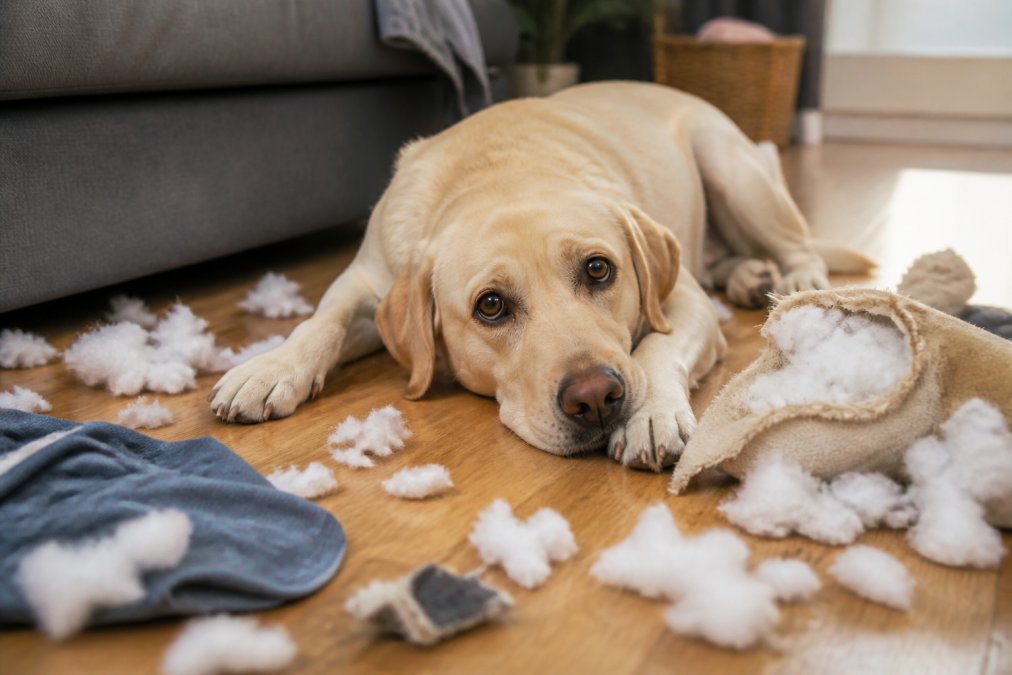
A dog that destroys furniture, barks for hours, or paces by the door is not misbehaving. That dog is telling you something. Recognizing the signs your dog needs daycare comes down to reading changes in energy, behavior, and mood that point to unmet physical and social needs, and the signs your dog needs daycare are worth learning early. This guide from Ruffin' It Ranch breaks down the key indicators, the stress signals to watch after a visit, and how to match a facility to your dog's breed, age, and temperament.
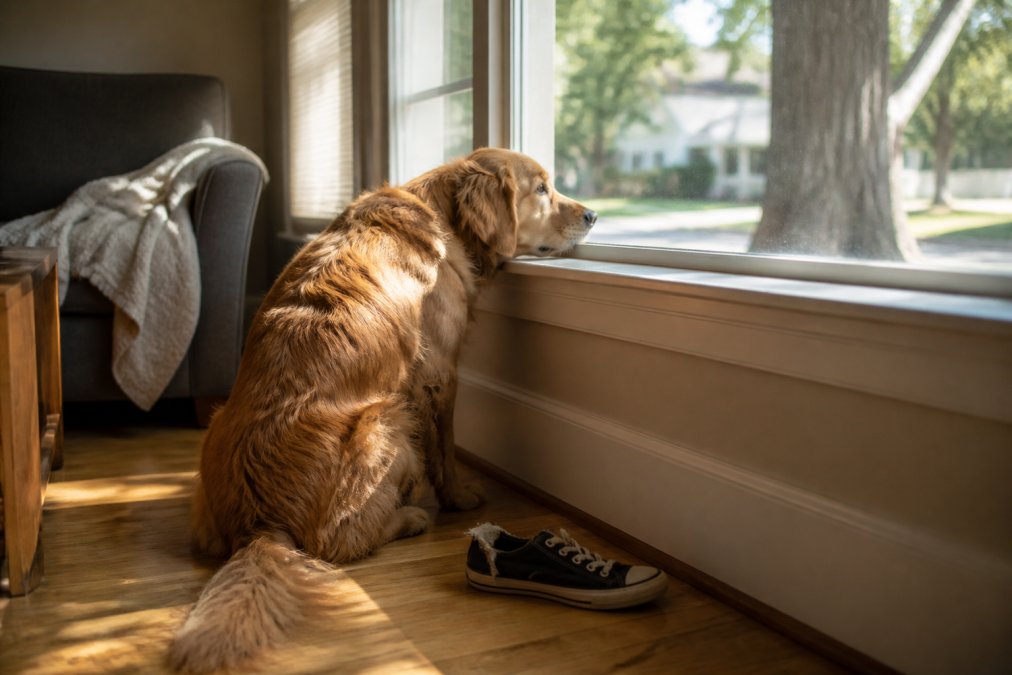
Most pet parents assume a restless dog just needs more walks. In practice, the issue is often mental, not just physical. A single daily walk burns energy but does little for socialization or problem-solving, which is why so many high-energy dogs still act out at home (avma.org).
Behavioral Red Flags at Home
Destructive chewing, excessive barking, and door-scratching top the list of home-based red flags. These behaviors typically spike when a dog is left alone for long stretches without an outlet.
A common mistake is treating these as discipline problems. They are usually boredom problems. Other indicators include:
- Chewing furniture, shoes, or baseboards
- Pacing, whining, or howling when alone
- Digging at doors or windows
- Clinginess the moment you return
If two or more of these show up regularly, structured daytime activity is worth considering.
Energy and Boredom Indicators
A dog that never settles, even after a walk, is often under-stimulated rather than over-exercised. Watch for a dog that zooms around the house at night, nudges you constantly for attention, or stares at you expectantly for hours.
Boredom and fatigue look different. A tired dog rests. A bored dog seeks. If your dog seeks nonstop and nothing you offer satisfies it, that is a strong signal.
The Benefits of Dog Daycare for Socialization and Health
The benefits of dog daycare extend well beyond giving you a break. Regular, supervised play delivers physical exercise and mental engagement that most home routines cannot replicate, and it builds social skills that carry over into every other part of your dog's life.
Physical and Mental Stimulation
Daycare combines aerobic exercise with problem-solving. Dogs navigate play groups, read other dogs' cues, and burn energy in bursts that a leash walk cannot match.
That combination matters. Physical exertion alone leaves the brain untouched. A dog that spends an afternoon in structured play comes home genuinely tired, not just physically spent but mentally satisfied. Many owners notice calmer evenings and better sleep within the first few visits.
Social Skills and Confidence
Socialization is a skill, and like any skill it needs practice. Shy or reactive dogs often improve when they interact with calm, well-matched play partners under supervision.
Confidence builds gradually. A dog that once hid behind its owner may start approaching other dogs, offering play bows, and recovering faster from surprises. For dogs with mild separation anxiety, the routine of a predictable daycare day can also reduce distress over time.
Recognizing the Signs of Dog Daycare Stress
Not every dog thrives in every environment, and recognizing the signs of dog daycare stress is just as important as spotting the need for care. Stress shows up in body language first, long before it becomes a behavioral problem.
Body Language Cues to Watch
A relaxed dog moves loosely. Watch for a soft, loose body, a wagging tail that swings in a wide arc, and an easy, open mouth. These are the signs of a dog that feels safe.
Stress looks different. Learn to read these signals:
- Statue dog: freezing in place, stiff and unmoving
- Tucked tail held low or between the legs
- Whale eye: whites of the eyes showing
- Avoidance behaviors: turning away, lip licking, yawning
- Excessive panting without exercise
If a dog shows these at pickup or during drop-off, that is a signal to talk with staff.
The 'Daycare Hangover' Phenomenon
The "daycare hangover" is the deep, flat exhaustion some dogs show for a day or two after a full day of play. It is not the same as healthy tiredness.
A normal tired dog rests and bounces back by the next morning. A dog with a true hangover may be unusually quiet, refuse food, or seem withdrawn. That usually points to overstimulation rather than good exercise. A common mistake is reading a hangover as proof the day "worked." For a sensitive dog, it can mean the day was too much.
How to Choose a Dog Daycare That Fits Your Dog's Needs
Learning how to choose a dog daycare is really about matching the facility to your specific dog. The right fit depends on temperament, play style, and how much structure your dog actually needs.
Key Questions to Ask Potential Facilities
Ask direct questions before booking. The answers tell you more than any brochure.
- How are dogs grouped, by size, temperament, or play style?
- What is the staff-to-dog ratio, and are staff trained in canine behavior?
- Is there a structured rest period, or is play nonstop?
- How do you handle a dog that gets overwhelmed?
- Can I see updates or photos during the day?
Take a tour if it is offered. Watch how the dogs in the room are behaving. Calm, loose body language across the group is a good sign. Constant barking, mounting, or dogs pinned in corners is not.
Red Flags to Avoid
Some warning signs should end the conversation. No temperament assessment, no visible supervision, and no clear policy on rest periods are all serious concerns.
Avoid facilities that:
- Accept every dog with no behavioral assessment
- Keep dogs crated for most of the day
- Cannot explain how they separate incompatible play styles
- Discourage you from touring or asking questions
Breed-Specific and Age-Related Daycare Considerations
Daycare is not one-size-fits-all, and two factors change the equation more than any others: breed and age. Matching both to the right environment prevents most of the problems owners run into, and it is the part of the decision most facilities gloss over.
Matching Play Style to Breed
Different breeds were developed for different jobs, and those jobs show up in the playroom. Mismatched play styles create friction that looks like aggression but is really just incompatible wiring.
- Herding breeds (border collies, Australian shepherds, heelers) want to chase, circle, and control movement. In a group of dogs that do not want to be controlled, this reads as bullying. They do best with other herding types or with dogs that enjoy being chased.
- Terriers (Jack Russells, Scotties, Westies) play intensely and escalate quickly. They often do better in small, well-matched pairs than in open groups.
- Retrievers and spaniels (labs, goldens, cockers) tend to play with a loose, bouncy, mouthy style that suits group settings well, which is why they are overrepresented in open-play rooms.
- Guardian breeds (Great Pyrenees, mastiffs) are often low-drive in play and can be overwhelmed by high-energy groups. They frequently prefer parallel presence over wrestling.
- Scent hounds (beagles, bassets) may ignore other dogs entirely and follow their noses. That is not antisocial, it is normal, and a facility that treats it as a problem is not a good fit.
A good facility groups by play style, not just size. A 20-pound heeler and a 90-pound lab may be a worse match than two 60-pound dogs with similar energy.
Puppies vs. Seniors: Special Care Needs
Age changes the math more than breed does.
Puppies are still learning social cues and tire fast. Their window for socialization closes early, so quality of interaction matters more than quantity (avma.org). They benefit from short play sessions with enforced rest breaks and calm adult dogs that model appropriate corrections. A puppy in an all-puppy room can learn bad habits from other puppies; a puppy in a mixed room with stable adults usually learns faster.
Seniors often need gentler, lower-intensity interaction and more recovery time. Arthritis, vision loss, and hearing loss all change how a dog reads a room, and a senior that snaps at a bouncy adolescent may be in pain rather than aggressive (avma.org). Seniors do best with matched-energy peers, soft flooring, and shorter sessions.
Both groups do best with individualized attention. A facility equipped to separate age groups and adjust intensity will serve them far better than one running a single open-play room for all dogs.
The Middle Ground Owners Forget
Adolescents, roughly six months to two years, are the hardest group to place. They have adult energy and puppy social skills, which makes them the most common source of daycare conflicts. If your dog is in this window, ask specifically how the facility handles adolescent play and whether they pair adolescents with calm adults or with each other.
Post-Daycare Recovery: Helping Your Dog Decompress
The hours after daycare matter as much as the visit itself. A calm recovery routine helps your dog settle, and it gives you a clear read on whether the day was a good fit.
Creating a Calm Environment
Give your dog a quiet space to decompress when you get home. Dim lighting, a comfortable bed, and low activity help the nervous system settle after a stimulating day.
Skip the urge to pile on more excitement. No new toys, no visitors, no training sessions right after pickup. A dog coming down from a busy day needs calm, not more input.
Monitoring Energy Levels and Behavior
Track how your dog behaves in the 24 hours after daycare. Note energy, appetite, and mood. Over a few visits, patterns emerge.
A healthy response looks like relaxed tiredness and a return to normal by the next morning. Ongoing clinginess, fearfulness, or a flat mood that lasts more than a day suggests the environment is too intense. That is your cue to adjust, whether that means fewer visits, a smaller play group, or a facility built for calmer, more individualized care.
At Ruffin' It Ranch, our 24/7 on-site professional staff and climate-controlled environment with large private indoor and outdoor space let us tailor play and rest to each dog. We are equipped to care for puppies and dogs with special needs, and our stress-free, cage-free grooming keeps stress low. If your dog shows the signs it needs more, we can match the care to the dog.
Frequently Asked Questions
How do I know if my dog is happy at daycare?
Look for a loose, relaxed body, a wagging tail, and eagerness to enter the facility. After daycare, a happy dog is tired but content, not anxious or shut down. Signs of stress like excessive panting, tucked tail, or avoidance behaviors mean your dog may not be enjoying the experience. Ask staff for updates and consider a trial day to observe your dog's behavior.
What are the signs that a dog is stressed at daycare?
Common signs of dog daycare stress include excessive drooling, pacing, whining, tucked tail, flattened ears, and avoidance of other dogs. Some dogs become a 'statue dog', freezing in place. Others may show clinginess or fearfulness. If your dog exhibits these behaviors, it may be overstimulated or uncomfortable. Discuss with staff and consider a quieter play group or fewer visits.
Is dog daycare good for high-energy dogs?
Yes, dog daycare can be excellent for high-energy dogs. It provides physical exercise and mental stimulation through play groups, helping reduce destructive behaviors at home. However, not all high-energy dogs thrive in group settings; some prefer private play or structured activities. A behavioral assessment can determine the best fit.
How many days a week should a dog go to daycare?
Most dogs do well with 1-3 days per week, depending on age, breed, and temperament. Puppies and seniors may need fewer days, while young adults might benefit from more frequent visits. Watch for signs of fatigue or stress, and adjust accordingly. Some dogs need recovery time between visits to decompress.
If your dog is telling you it needs more than a walk, the next step is finding care built around its temperament, age, and energy level. Ruffin' It Ranch offers individualized daycare and boarding with 24/7 professional staff, private indoor and outdoor runs, safe open or private play sessions, and reduced rates for monthly daycare packages. Get started with Ruffin' It Ranch and give your dog the structured, supervised day it has been asking for.