 listicle
Dog Daycare with Flexible Drop Off: 2026 Guide
Table of Contents
- What 'Flexible Drop Off' Actually Means at Dog Daycare
- Dog Daycare Pricing Models: What You're Actually Paying For
- Dog Daycare Safety Standards: What a Quality Facility Requires
- How to Prepare Your Dog for Daycare Before the First Drop Off
- Daily Structure, Enrichment Activities, and Socialization
- Flexible Dog Daycare and Work-from-Home Schedules
- What to Look for When Choosing a Flexible Drop Off Facility
- Frequently Asked Questions
Last Updated: August 31, 2026
Finding a dog daycare with flexible drop off is one of the most common frustrations for busy pet owners, yet most facilities operate on rigid schedules. At Ruffin' It Ranch, we hear this constantly: pet parents need real scheduling flexibility, not just a two-hour drop-off window that closes at 9 AM. This guide breaks down what flexible drop off means in practice, how pricing models work, what safety standards matter, and how to choose a facility that fits your life.
What 'Flexible Drop Off' Actually Means at Dog Daycare
Flexible drop off is a scheduling model that allows pet owners to bring their dogs to daycare outside of fixed arrival windows, without requiring a standing reservation for each visit. The best implementations combine open drop-off windows, drop-in availability, and online booking so that schedule changes don't mean your dog misses a day of care.
Drop-In vs. Reservation-Based Models
Reservation-based daycare requires booking each visit 24 to 48 hours in advance, which works for predictable schedules but fails when a work trip gets added or a meeting runs long.
Drop-in daycare lets you show up during open drop-off windows without prior booking. Some facilities blend both models: reservations are preferred but walk-ins are accepted when space allows.
How Drop-Off Windows Work in Practice
Most facilities define a morning drop-off window, typically between 6 AM and 10 AM, and an afternoon pick-up window. A genuinely flexible facility extends those windows or offers early drop-off by appointment to accommodate owners whose workdays start before 8 AM. Before committing, verify the exact drop-off window in writing.
Dog Daycare Pricing Models: What You're Actually Paying For
Dog daycare pricing varies widely, and the sticker price rarely tells the whole story. Hourly billing, daily flat rates, half-day options, and monthly memberships each suit different usage patterns.
Daily Rates, Half-Day Options, and Package Deals
Most facilities charge a flat daily rate for a full day of care, with half-day options for owners who only need a few hours. Half-day rates typically cost meaningfully less than a full day, making them smart for work-from-home owners who need coverage during meetings or appointments.
Multi-day pass packages offer per-visit discounts in exchange for buying visits upfront. These work well for consistent but non-daily users, though passes often expire after 6 to 12 months and are non-refundable.
| Pricing Structure | Best For | Key Consideration |
|---|---|---|
| Daily flat rate | Occasional, unpredictable use | No upfront commitment |
| Half-day option | WFH owners, partial coverage | Confirm AM vs. PM availability |
| Multi-day pass | Regular but not daily users | Check expiration and refund policy |
| Monthly membership | Daily or near-daily users | Reduced rate; often requires commitment |
| Hourly billing | Very short visits | Less common; verify facility offers it |
For current pricing at Ruffin' It Ranch, including reduced rates for monthly daycare packages, contact the facility directly.
Monthly Memberships and Reduced-Rate Packages
Monthly membership tiers offer the best value for owners using daycare four or more days per week. Many facilities offer tiered memberships with pricing scaling based on days per week included. The reduced rate per visit adds up significantly over a year.
The catch is that memberships assume consistent schedules. If usage drops during vacation or slow work periods, you're paying for unused days. Clarify rollover and pause policies before signing up.
Dog Daycare Safety Standards: What a Quality Facility Requires
A quality dog daycare maintains safety standards that protect every dog in its care. Baseline requirements include vaccination verification, temperament assessment before the first full day, and continuous supervised play.
According to the American Kennel Club's guidance on dog daycare safety, vaccination requirements and temperament screening are the two most important filters a daycare facility can implement.
Vaccination Requirements and Temperament Assessment
Standard vaccination requirements include current rabies, distemper, and Bordetella vaccines. Some facilities also require negative fecal tests or proof of flea prevention. These protect every dog in the playgroup from preventable illness.
Temperament assessment is a structured evaluation of how a dog behaves around other dogs, strangers, and in unfamiliar environments. Most facilities conduct this as a paid half-day trial before the dog joins regular playgroups.
Supervised Play and Playgroup Dynamics
Supervised play means a trained staff member is physically present in the play area at all times, actively monitoring interaction. Playgroups should match dogs by size, energy level, and play style. A 90-pound Labrador and a 12-pound Chihuahua should not be in the same unsupervised group.
The Pet Care Services Association's standards for dog daycare facilities outline specific staff-to-dog ratios and supervision requirements that distinguish professional operations from informal boarding.
Quality facilities monitor behavior throughout the day, rotating stressed or overstimulated dogs into quieter rest areas rather than forcing continuous social interaction.
How to Prepare Your Dog for Daycare Before the First Drop Off
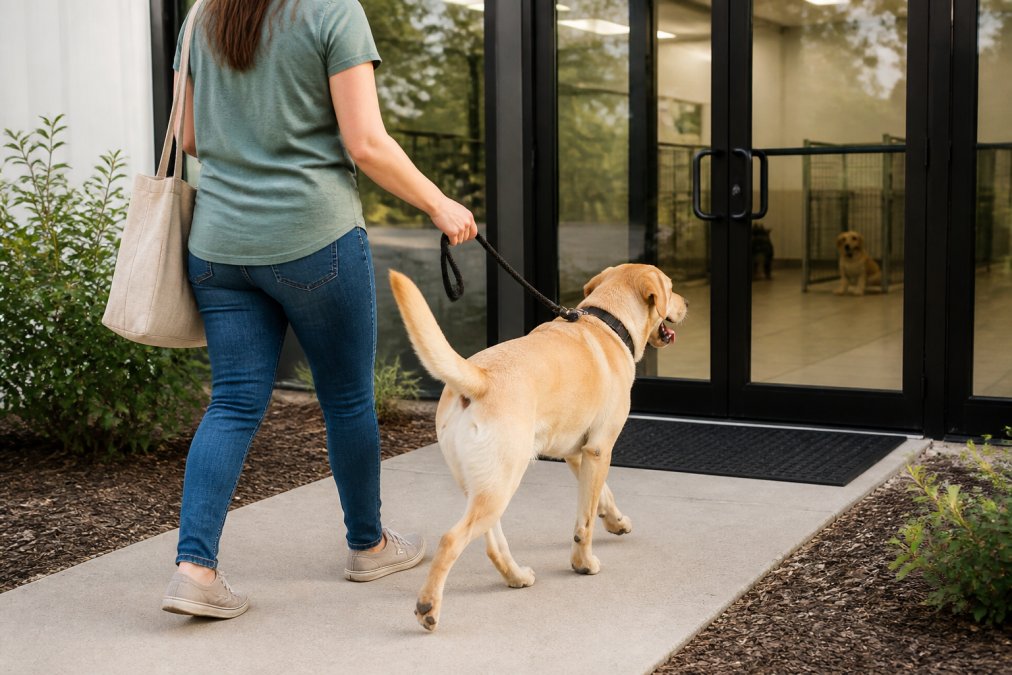
Preparing your dog for their first drop off significantly reduces stress for both of you. The first visit sets the emotional tone for every visit that follows.
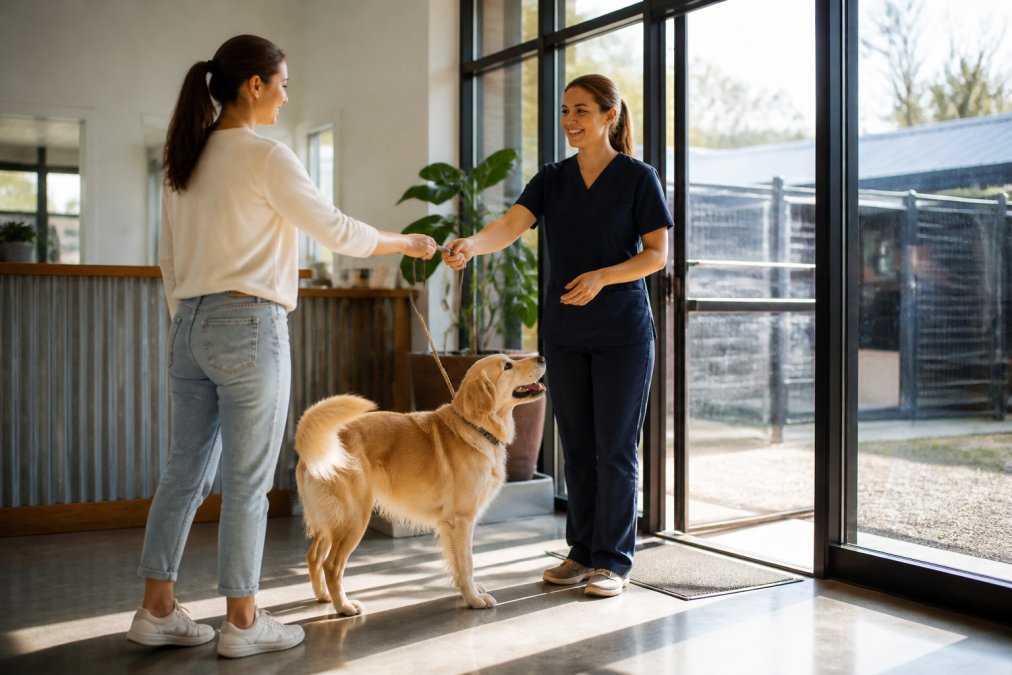
The Onboarding Process for Flexible Users
Owners who use flexible drop off irregularly should pay particular attention to onboarding. Dogs thrive on routine, and an irregular schedule can make each visit feel like the first one without a strong protocol.
A good onboarding process includes:
- A temperament assessment visit before the first full day
- A brief facility tour so the dog can explore before joining a playgroup
- A staff member assigned to monitor the new dog during first visits
- Clear communication to staff about triggers, preferences, and medical needs
- A post-visit summary so you can gauge how the dog actually did
Ruffin' It Ranch is equipped to care for puppies and dogs with special needs, including those needing slower, individualized introductions.
Dogs with Anxiety, Special Needs, or Behavioral Challenges
Separation anxiety is a common concern before a dog's first drop off. A cage-free environment with continuous supervision addresses part of the problem, but not all.
For dogs with severe anxiety, gradual exposure works best: start with one hour, extend to a half-day, then a full day over two to three weeks. This builds positive associations rather than forcing the dog through a full day before ready.
Dogs with behavioral challenges, including resource guarding or aggression, require staff trained in those specific behaviors. Ask directly about staff training and experience with reactive or aggressive dogs before booking.
Daily Structure, Enrichment Activities, and Socialization
A structured daily routine is undervalued in quality dog daycare. Dogs don't do well with unstructured chaos for eight hours. The best facilities alternate active play, rest, enrichment activities, and feeding, creating a rhythm that mirrors what a dog's nervous system needs.
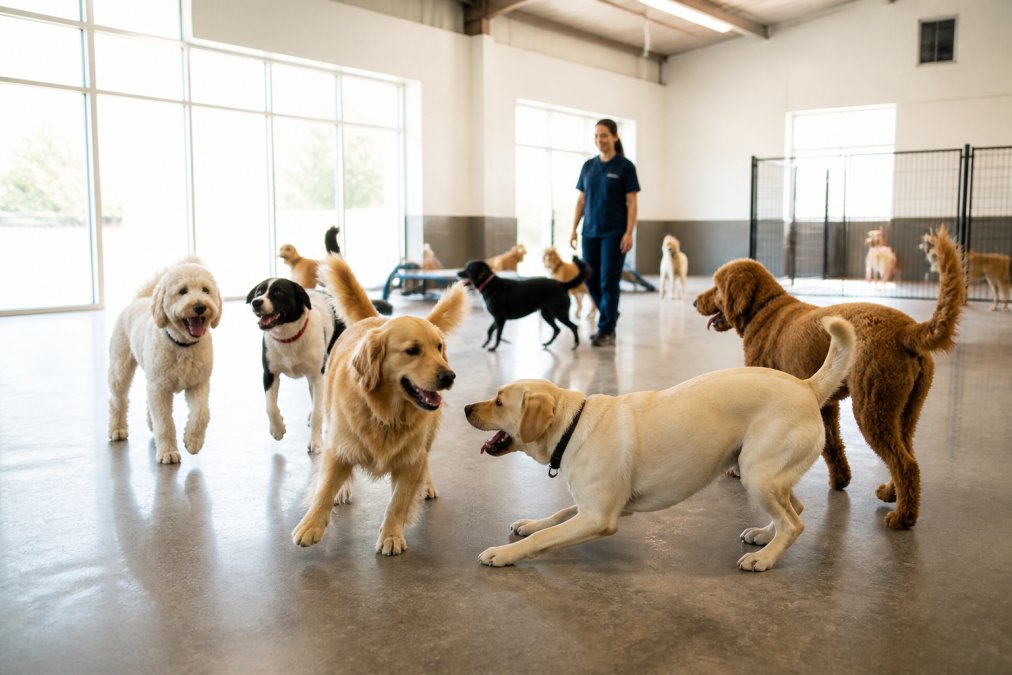
Dog socialization in structured daycare goes beyond putting dogs in the same room. Playgroup dynamics are actively managed: staff redirect rough play, separate escalating dogs, and rotate dogs through rest periods to prevent overstimulation.
Enrichment activities, such as puzzle feeders and sniff walks, provide mental stimulation that physical play alone doesn't cover. A dog that comes home genuinely tired, mentally satisfied, has had a good day.
Climate-controlled indoor and outdoor play areas protect dogs from temperature extremes. Outdoor access should be weather-dependent, not a fixed schedule regardless of conditions.
Flexible Dog Daycare and Work-from-Home Schedules
Work-from-home schedules create a specific use case for flexible drop off. The assumption that WFH owners don't need daycare is wrong. Many remote workers find that a dog demanding attention during calls, reacting to delivery drivers, or needing more exercise makes a few days of daycare per week necessary.
The flexibility requirement for WFH owners differs from office commuters. Rather than needing early morning drop-off, remote workers often need mid-morning drop-off after a 9 AM call, or mid-afternoon pick-up before a 4 PM meeting. This is where half-day options and drop-in availability become critical.
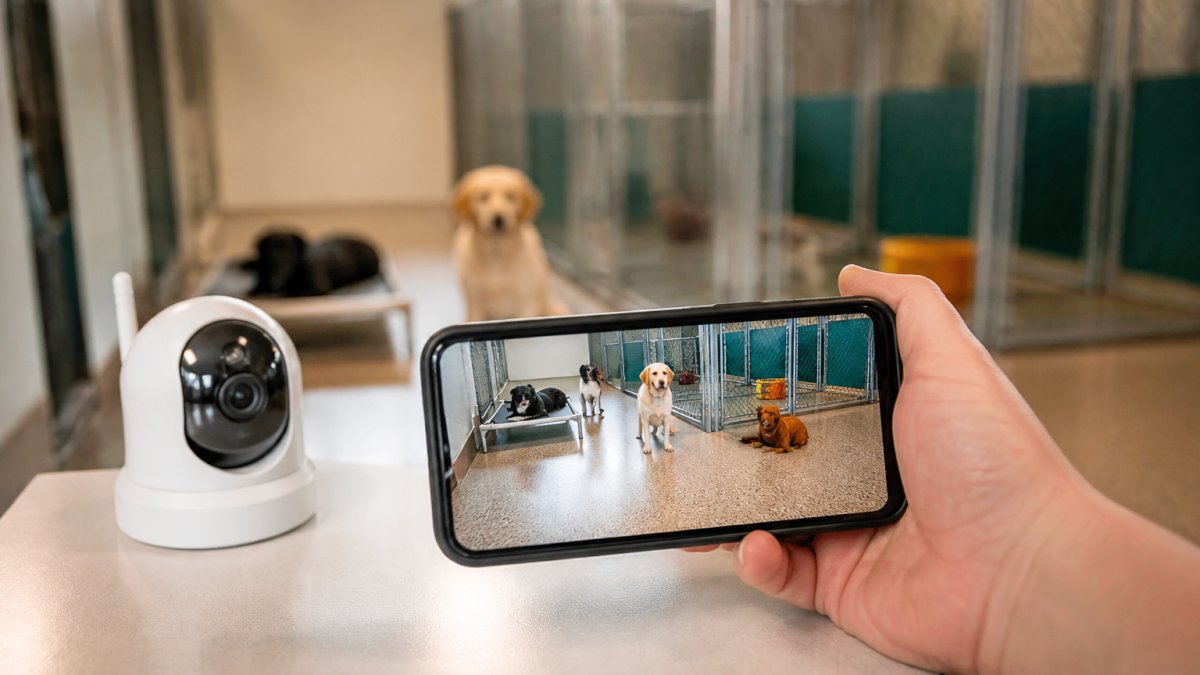
Some facilities now offer app-based booking for same-day reservations, real-time activity tracking, and photo updates. According to the American Pet Products Association's pet industry data, demand for on-demand and flexible pet care services has grown substantially as remote work has become permanent.
The practical checklist for WFH-compatible daycare:
- Drop-in availability without advance booking
- Half-day options with both AM and PM sessions
- Mid-day drop-off accepted
- App or online booking for same-day visits
- Photo or activity updates during the day
What to Look for When Choosing a Flexible Drop Off Facility
The biggest mistake pet owners make is prioritizing location and price over operational specifics. A facility five minutes closer that doesn't offer genuine flexible drop off isn't actually more convenient.
Here is what to evaluate:
Operational flexibility: Confirm exact drop-off and pick-up windows in writing. Ask what happens if you're 20 minutes late and whether drop-in visits are available on short notice.
Safety infrastructure: Vaccination requirements and temperament assessment should be non-negotiable. Ask about staff-to-dog ratios during peak hours and verify outdoor play areas are fully fenced with climate-controlled indoor spaces available.
Staff qualifications: Ask about staff training in dog behavior, pet first aid, and handling reactive or anxious dogs. A facility with PPCS-certified staff, like Ruffin' It Ranch, which holds Pet Boarding Certification, demonstrates commitment to professional standards beyond basic licensing.
Transparency: Can you see play areas during a tour? Does the facility communicate what your dog did during the day? Stress-free drop off depends partly on your confidence that the facility does what it says.
Pricing structure: Confirm whether monthly membership packages offer genuine savings for your usage pattern and understand late pick-up fee policies.
A quality facility welcomes these questions. One that gets defensive or vague is telling you something important.
| What to Evaluate | Green Flag | Red Flag |
|---|---|---|
| Drop-off flexibility | Open windows, drop-in accepted | Fixed 30-min window only |
| Temperament assessment | Required before first full day | Skipped or optional |
| Playgroup supervision | Staff physically present | Camera monitoring only |
| Facility environment | Climate-controlled, cage-free | Kennels used during play hours |
| Staff training | Certified, behavior-trained | No stated qualifications |
| Communication | Daily updates, transparent | No feedback provided |
Finding the right dog daycare with flexible drop off takes more than a Google search and price check. The real question is whether a facility's operations match your dog's needs and your schedule. Ruffin' It Ranch offers 24/7 on-site professional staff, a climate-controlled cage-free environment, individualized care for puppies and dogs with special needs, and reduced rates for monthly daycare packages, making it a practical choice for Monmouth County pet owners who need genuine flexibility without sacrificing care quality. Book your pet's stay now and see what a professionally run, PPCS-certified facility actually looks like in practice.
Frequently Asked Questions
What should I look for in a flexible dog daycare facility?
Check that the facility offers clearly defined drop-off and pick-up windows that match your schedule, including early morning or extended evening access. Look for a temperament assessment process, proof of vaccination requirements, and supervised playgroups rather than unsupervised free-for-all time. Cage-free environments, 24/7 on-site staff, and transparent pricing models, including half-day options and monthly packages, are strong indicators that a facility is built for real flexibility, not just marketing language.
Is flexible drop off better for anxious dogs?
For dogs with separation anxiety, a stress-free drop-off experience matters as much as the facility itself. Flexible drop off lets you arrive during quieter windows when the environment is calmer, which reduces the sensory overload that spikes anxiety. Facilities that offer private play sessions rather than forcing immediate group socialization are especially helpful. A proper onboarding process, where your dog visits before their first full day, also makes a significant difference in how quickly an anxious dog settles.
How long can a dog stay at a doggy daycare?
Most daycare facilities offer half-day options (typically four to five hours) and full-day options (up to ten or twelve hours). Dogs with high energy levels often do well with full days, while senior dogs or those new to daycare may find half-days less overwhelming. For stays beyond a single day, facilities that also offer boarding services can provide continuity of care. Always confirm the facility's specific drop-off window and pick-up deadline to avoid late fees.
What are the downsides of using dog daycare?
Dog daycare with flexible drop off suits most busy schedules, but there are trade-offs to understand. Some dogs find group environments overstimulating, especially if playgroups are not managed by size or temperament. Facilities without proper vaccination requirements or temperament assessments create health and safety risks. Cost adds up quickly without a monthly membership or package deal. Dogs with aggression histories or severe anxiety may need private play sessions rather than open group socialization to thrive.
How much does doggie daycare cost for a week?
Pricing varies by facility, location, and the specific services included. Half-day and full-day rates differ, and some facilities charge by dog size or breed. Weekly costs depend on whether you pay daily or purchase a discounted multi-day pass. Monthly membership tiers typically offer the best per-day rate for frequent users. Contact your chosen facility directly for current pricing, Ruffin' It Ranch, for example, offers reduced rates through monthly daycare packages.
This article was written using GrandRanker