 how-to
Is Raw Dog Food Good for Digestion? A Vet-Informed Guide
Table of Contents
- Is Raw Dog Food Good for Digestion? What the Evidence Actually Shows
- How Raw Dog Food and Diarrhea Are Connected
- How to Transition a Dog to Raw Food Without Stomach Upset
- Building a Balanced Raw Diet for Dogs
- Raw vs. Fresh Dog Food: Which Supports Digestion Better?
- Digestive Symptoms That Need Veterinary Attention
- Frequently Asked Questions
Last Updated: October 5, 2026
Is Raw Dog Food Good for Digestion? What the Evidence Actually Shows
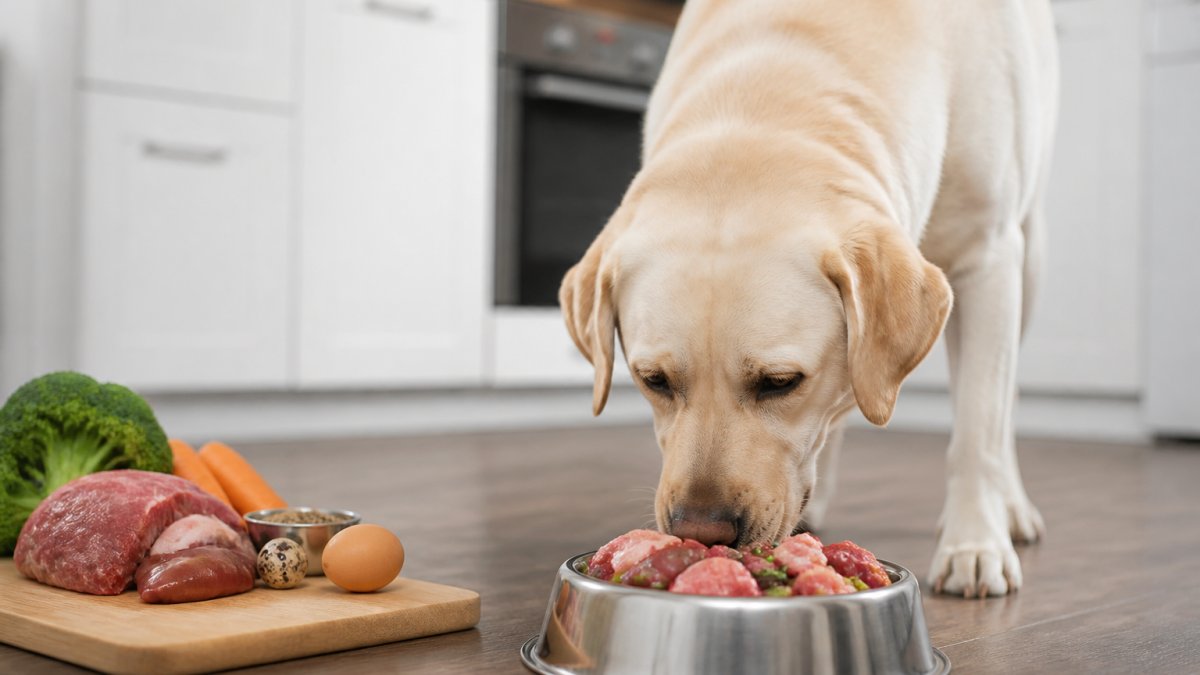
Many pet owners ask whether raw dog food is good for digestion, and the honest answer is: it depends. Some dogs seem to thrive on it, while others see no change or even get worse.
The claims are bold. Supporters say raw food delivers live enzymes, better nutrient absorption, and firmer stools. The FDA's guidance on raw pet food safety takes a more cautious view, noting real risks from pathogens like Salmonella and Listeria. Both sides have a point.
Here's what most guides get wrong: they treat raw feeding as one single thing. It isn't. How you source, handle, and balance the food matters far more than the label on the bag.
Below, we'll break down what the evidence supports, what it doesn't, and how to transition safely if you decide raw is right for your dog.
What Raw Feeding Claims About Digestive Health
Raw dog food is any diet built from uncooked animal-source protein, bones, organs, and sometimes raw eggs or produce. The digestive claims usually center on three ideas:
- Live enzymes in raw meat survive processing and help break down food
- Higher nutrient absorption because raw food is closer to a dog's ancestral diet
- Less inflammation in the GI tract without fillers and additives
These ideas sound reasonable. The problem is that most of them rest on theory and owner reports, not controlled studies. Cooked food still gets digested well by most dogs, and cooking actually kills pathogens that can cause foodborne illness.
Where the Evidence Is Strong and Where It Falls Short
The strongest evidence for raw feeding relates to stool quality. Many owners report smaller, firmer stools on raw diets, likely because raw food contains less fiber and more water than kibble.
The weaker areas are the big claims. There's little solid proof that raw diets reduce inflammation or cure chronic gastrointestinal dysfunction in dogs. Anecdotes are common. Peer-reviewed data is thin.
How Raw Dog Food and Diarrhea Are Connected
Raw dog food and diarrhea often show up together, but not always for the reasons people assume. When diarrhea happens after a diet switch, the usual culprit is a too-fast transition, not the food itself.
Dogs have sensitive guts. A sudden shift from kibble to raw meat throws off the gut bacteria that handle digestion. The result can be loose stool, gas, or inappetence for a few days.
There's also a real contamination angle. Raw meat can carry Salmonella and other pathogens (the FDA). If those bacteria reach your dog, they can cause gastrointestinal problems that look like a simple upset stomach but last longer.
When Diarrhea Signals a Problem Worth Investigating
Not every loose stool needs a vet visit. But some signs do:
- Diarrhea lasting more than 48 hours
- Blood or black tar-like stool
- Vomiting alongside diarrhea
- Refusing food or water
- Lethargy or obvious pain
If you see any of these, stop the diet change and call your vet. Persistent diarrhea can lead to dehydration fast, especially in puppies and senior dogs.
How to Transition a Dog to Raw Food Without Stomach Upset
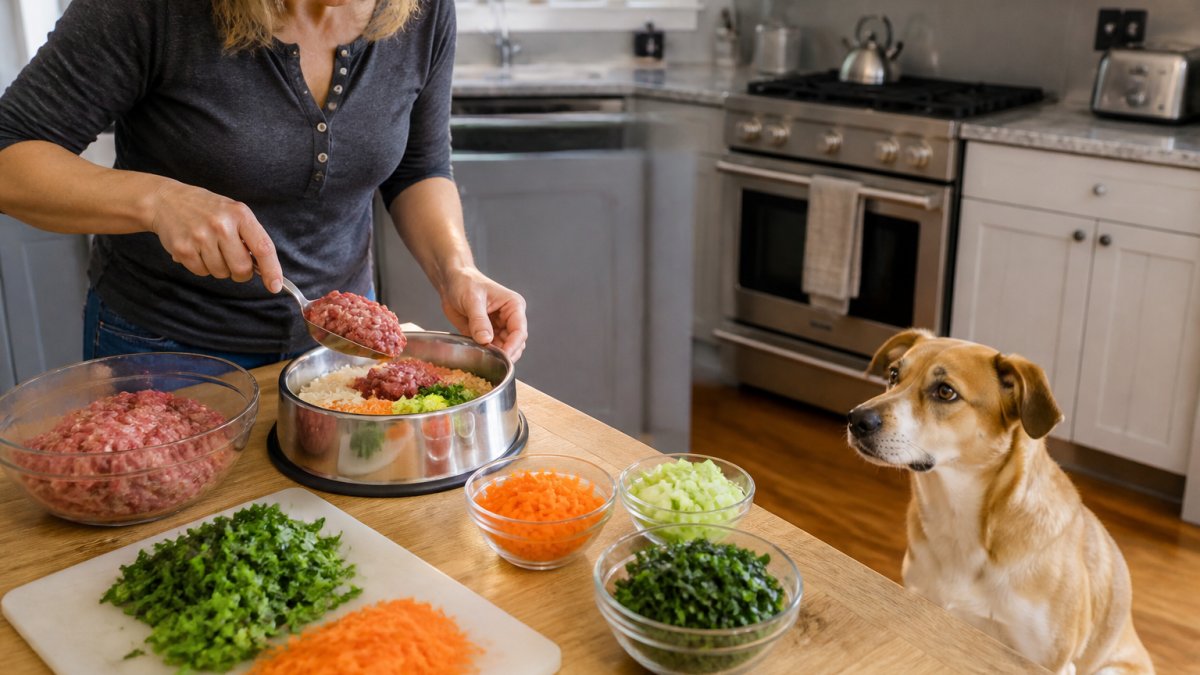
The safest way to transition a dog to raw food is slowly, over 7 to 10 days, mixing small amounts of raw into the current diet and increasing gradually. A slow switch gives the gut time to adjust and makes it easy to spot a problem early.
Skip the cold-turkey approach. It is the fastest route to an upset stomach and the most common mistake we see.
A Step-by-Step Transition Schedule
Here is a simple schedule to follow:
| Day | Old Food | Raw Food | Watch For |
|---|---|---|---|
| 1-2 | 90% | 10% | Any stool change |
| 3-4 | 75% | 25% | Gas, appetite |
| 5-6 | 50% | 50% | Stool consistency |
| 7-8 | 25% | 75% | Energy levels |
| 9-10 | 0% | 100% | Full adjustment |
Slow down if you see loose stool. Stay at the current ratio for two extra days before moving on.
What to Monitor, and What to Do If It Goes Wrong
A transition plan only works if you know what you are watching for and what to do when something changes. Keep a simple daily log for the first two weeks: stool score, appetite, energy, and any vomiting or gas.
Green light, keep going:
- Stool is formed and easy to pick up
- Appetite is normal or improved
- Energy and behavior are unchanged
- No vomiting
Yellow light, hold at the current ratio for 2-3 more days:
- Soft but formed stool
- Mild gas
- Slightly reduced appetite for one meal
- One episode of vomiting followed by normal behavior
Red light, stop the transition and call your veterinarian:
- Watery diarrhea lasting more than 24 hours
- Repeated vomiting
- Blood in stool or vomit, or black tarry stool
- Refusing food or water for more than 12 hours
- Lethargy, weakness, or obvious abdominal pain
- Any symptom in a puppy, senior, or immunocompromised dog
If you hit a red light, do not push through. Return to the last diet the dog tolerated well and get veterinary guidance before trying again. Persistent diarrhea can cause dehydration quickly, especially in small dogs, puppies, and seniors.
Who Should Not Transition Without Veterinary Supervision
A gradual transition plan is not a substitute for veterinary oversight in higher-risk situations. Talk to your veterinarian before starting raw feeding if your dog is:
- A puppy, growing dogs have tight calcium-to-phosphorus requirements, and an unbalanced raw diet can cause skeletal problems that are difficult to reverse
- A senior dog, older dogs often have reduced kidney or liver function, dental disease, or other conditions that change nutritional needs
- Immunocompromised, dogs on chemotherapy, immunosuppressants, or with immune-mediated disease face higher risk from foodborne pathogens
- Managing a chronic condition, diabetes, kidney disease, pancreatitis, inflammatory bowel disease, and food allergies all require diets formulated for that specific condition
- In a household with young children, pregnant people, older adults, or anyone immunocompromised, pathogen exposure risk extends beyond the dog
Handling and Storage During the Transition
Raw food handling matters as much as the feeding schedule. Keep raw meat frozen until you are ready to thaw it, thaw it in the refrigerator, never on the counter, and use thawed portions within 1-2 days. Wash hands, bowls, utensils, and any surface the raw food touched with hot soapy water, and clean the refrigerator shelf where the food was stored. Do not let the dog lick plates or surfaces that people use.
Building a Balanced Raw Diet for Dogs
A balanced raw diet for dogs must meet the same nutritional standards as any complete commercial diet. That means the right ratios of muscle meat, bone, organ, and added nutrients.
The rough rule many raw feeders use is 80% muscle meat, 10% raw bone, and 10% organ. But this ratio alone doesn't guarantee a complete and balanced diet. Dogs need specific levels of calcium, phosphorus, and vitamins that vary by age and size.
Getting this right takes real work. Puppies, pregnant dogs, and dogs with medical problems have tighter requirements than healthy adults. A veterinary nutritionist can review your recipe and flag gaps before they cause problems.
Raw vs. Fresh Dog Food: Which Supports Digestion Better?
Fresh dog food is gently cooked, while raw dog food is served uncooked. Both can support good digestion, but they carry different trade-offs.
Fresh food has one clear advantage: cooking kills pathogens. That lowers the risk of foodborne illness and bacterial shedding in your home. It also makes the food easier to store and handle.
Raw food may offer benefits for stool quality and palatability, and some owners report better energy and coat condition. But those reports aren't the same as proven outcomes.
So which is better? For most dogs with sensitive stomachs, fresh food is the safer starting point. For dogs already thriving on raw, there's no strong reason to switch back.
Digestive Symptoms That Need Veterinary Attention
Some digestive symptoms are worth a vet visit no matter what diet your dog eats. Ignoring them can turn a small problem into a serious one.
Watch for these red flags:
- Chronic vomiting or regurgitation
- Weight loss despite a normal appetite
- Ongoing stool inconsistency for more than a week
- Bloating or a hard, painful belly
- Blood in stool or vomit
- Sudden refusal to eat
If your dog shows any of these, stop diet changes and get professional advice. Diet management works best when it starts with a clear diagnosis.
At Ruffin' It Ranch, our team is equipped to care for dogs with special needs and sensitive stomachs, and our signature crafted raw diet is available for pets who do well on it. We also offer stress-free, cage-free grooming and 24/7 supervised boarding for owners who travel.
Frequently Asked Questions
Is raw dog food good for digestion?
Raw dog food may support digestion for some dogs because it contains naturally occurring enzymes and moisture that are reduced during cooking. However, evidence quality is limited, and results vary by individual dog. Some pet owners report firmer stool and better appetite on raw diets, while others see no change or worsening symptoms. If your dog has a sensitive stomach or gastrointestinal problems, talk to your veterinarian before switching. A balanced raw diet for dogs must be nutritionally complete to deliver any digestive benefit without creating new deficiencies.
Can raw dog food cause diarrhea or vomiting?
Yes. Raw dog food and diarrhea are commonly linked, especially during the first few weeks of a diet change. Sudden switches, unbalanced recipes, or contaminated raw meat can all trigger gastrointestinal upset. Pathogens like Salmonella can cause foodborne illness in both dogs and the people handling the food. If diarrhea lasts more than 48 hours, contains blood, or comes with vomiting or inappetence, stop the raw diet and contact your veterinarian. A gradual transition over 7 to 10 days reduces the risk significantly.
Do veterinarians recommend raw dog food?
Most veterinary organizations urge caution with raw feeding because of microbial risk, bacterial shedding, and the potential for nutritional imbalance when recipes are not formulated correctly. Some veterinarians support raw diets for specific dogs when the owner works with a board-certified veterinary nutritionist to ensure the diet is complete and balanced. The decision should be based on your dog's individual health, age, and living situation. Puppies, seniors, and immunocompromised pets face higher risk from raw meat pathogens.
How do I switch my dog to raw food without upsetting their stomach?
Start by mixing a small amount of raw food into your dog's current diet, roughly 10 to 20 percent raw to 80 to 90 percent existing food, for the first three days. Increase the raw portion every three to four days until your dog is fully transitioned over 7 to 10 days. Watch stool consistency daily. If loose stool appears, slow the pace and hold at the previous ratio for a few extra days. Keep the recipe consistent during the transition so you can identify what works and what does not.
Deciding whether raw dog food is right for your dog takes patience and a good vet relationship. If you need a trusted place to board your dog while you sort out a new diet, Ruffin' It Ranch offers 24/7 on-site staff, climate-controlled private runs, and individualized care for puppies and dogs with special needs. Our team can follow your feeding plan exactly, including our signature crafted raw diet. Book your pet's stay now and give them a calm, supervised home away from home.