 how-to
How to Help a Dog with Separation Anxiety
Table of Contents
- Signs of Separation Anxiety in Dogs
- What Causes Dog Separation Anxiety
- Dog Separation Anxiety Training Exercises
- Managing Departures, Arrivals, and Daily Routine
- Tracking Progress: A Data-Driven Approach
- How to Prepare Your Dog for Boarding
- When to See a Vet for Dog Anxiety
- Frequently Asked Questions
Last Updated: August 28, 2026
Dog separation anxiety is one of the most distressing behavioral issues a pet owner can face, and one of the most misunderstood. At Ruffin' It Ranch, we work with anxious dogs regularly, and the single biggest mistake we see is owners treating the symptoms instead of the underlying trigger. Below, we'll walk you through exactly how to help a dog with separation anxiety: from recognizing the early warning signs to building a structured training plan that actually works.
The good news is that most dogs respond well to consistent behavior modification. The hard part is that "consistent" means weeks or months, not days.
Signs of Separation Anxiety in Dogs
Separation anxiety in dogs is a behavioral condition in which a dog experiences significant psychological distress when left alone or separated from their primary attachment figure. It is not stubbornness, spite, or poor training, it is a genuine stress response that requires structured therapeutic intervention.
Behaviors That Signal Isolation Distress
The most common signs appear during or immediately after owner departure. A dog exhibiting isolation distress may show:
- Vocalization, excessive barking, howling, or whining that begins within minutes of being left alone
- Destructive behavior, chewing door frames, scratching floors, or destroying furniture near exit points
- House soiling, accidents from a dog that is otherwise reliably house-trained
- Pacing, repetitive, purposeless movement along a fixed path
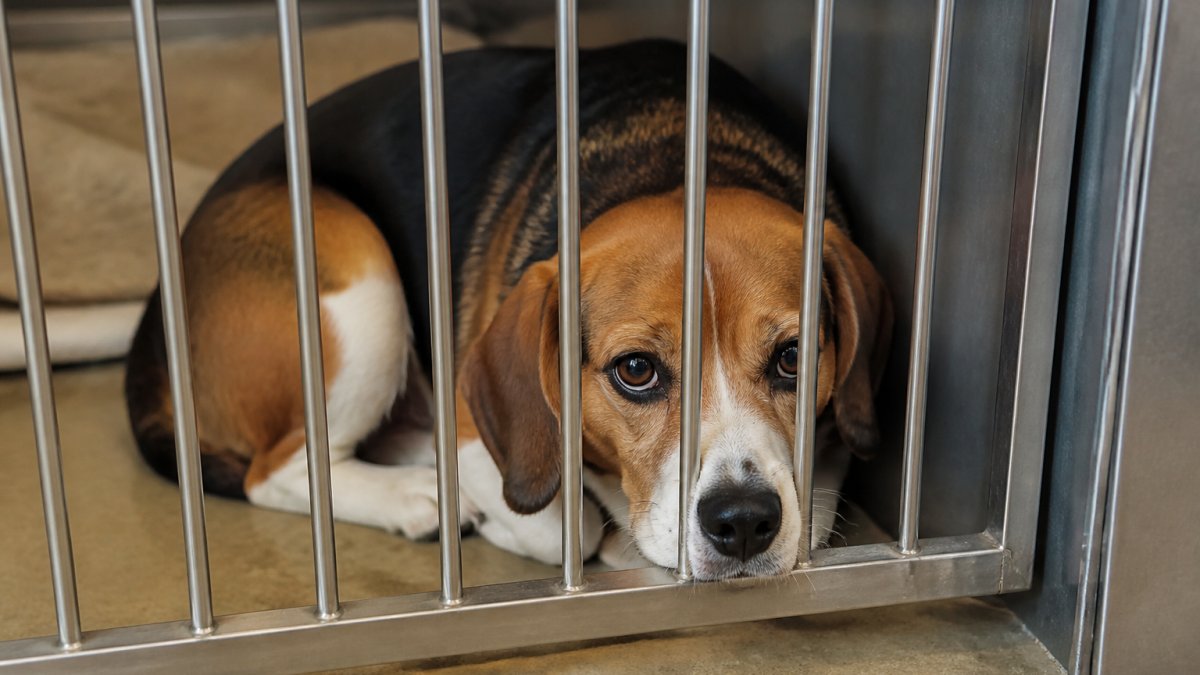
- Escape attempts, broken nails, bloody paws, or damaged crates from attempts to get out
- Excessive drooling or panting, physiological stress signals that indicate real anxiety, not misbehavior
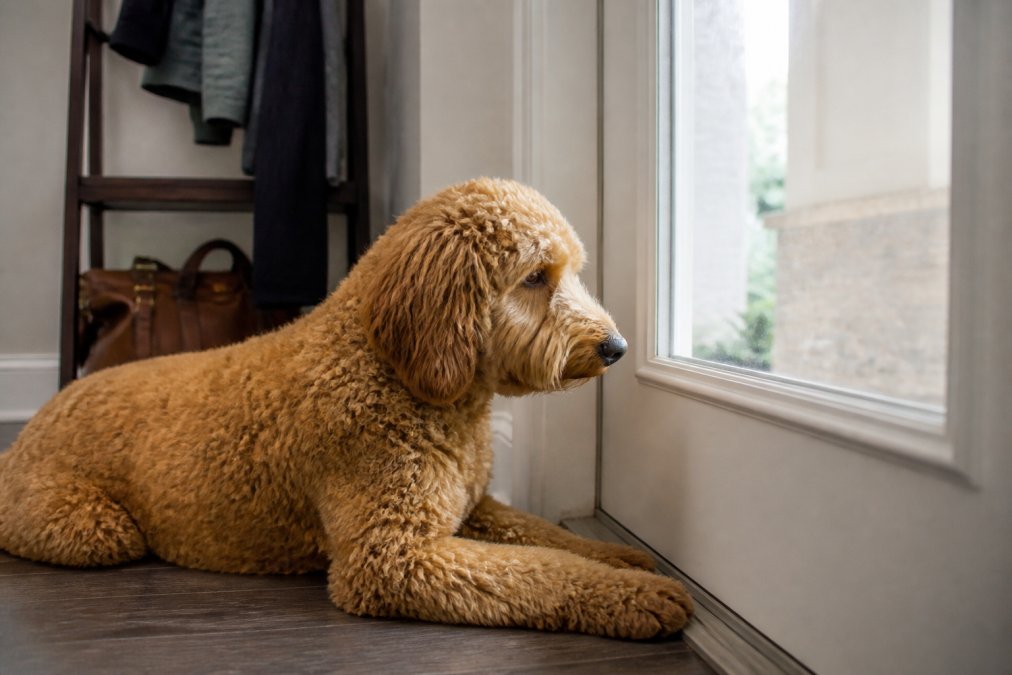
One detail that separates true separation-related behavior from general misbehavior: the destructive activity clusters near doors and windows, not randomly around the house.
Mild vs. Severe Separation-Related Behavior
Mild cases involve visible restlessness and some vocalization, but the dog settles within 20-30 minutes. Severe cases involve sustained distress throughout the entire absence, self-injury, or complete inability to eat or engage with enrichment items. This distinction matters because mild and severe anxiety require different training timelines and, in severe cases, different interventions entirely.
What Causes Dog Separation Anxiety
Most dogs develop separation anxiety through a combination of genetics, early socialization history, and environmental triggers.
Post-Pandemic Lifestyle Changes and Return-to-Office
Dogs adopted or raised during periods of full-time remote work became accustomed to near-constant human presence. The return-to-office shift exposed those dogs to sudden, dramatic changes in their daily routine, often with zero transition period. According to the American Kennel Club's guidance on separation anxiety, abrupt changes in schedule are among the most common triggers for anxiety onset in adult dogs. The fix isn't to stay home, it's to rebuild the dog's tolerance gradually through the desensitization protocol below.
Multi-Pet Household Dynamics
A common assumption is that having a second dog eliminates separation anxiety. It doesn't. Some dogs are specifically bonded to a human rather than other animals, meaning a companion dog provides no comfort during owner departure. Before adding a second pet to solve an anxiety problem, do a behavioral assessment to identify whether the distress is triggered by human absence or by a more generalized fear of isolation.
Dog Separation Anxiety Training Exercises
The core framework for addressing dog separation anxiety combines two evidence-based techniques: desensitization and counter-conditioning. Used together, they gradually shift the dog's emotional response to departure cues from fear to neutrality or positive anticipation.
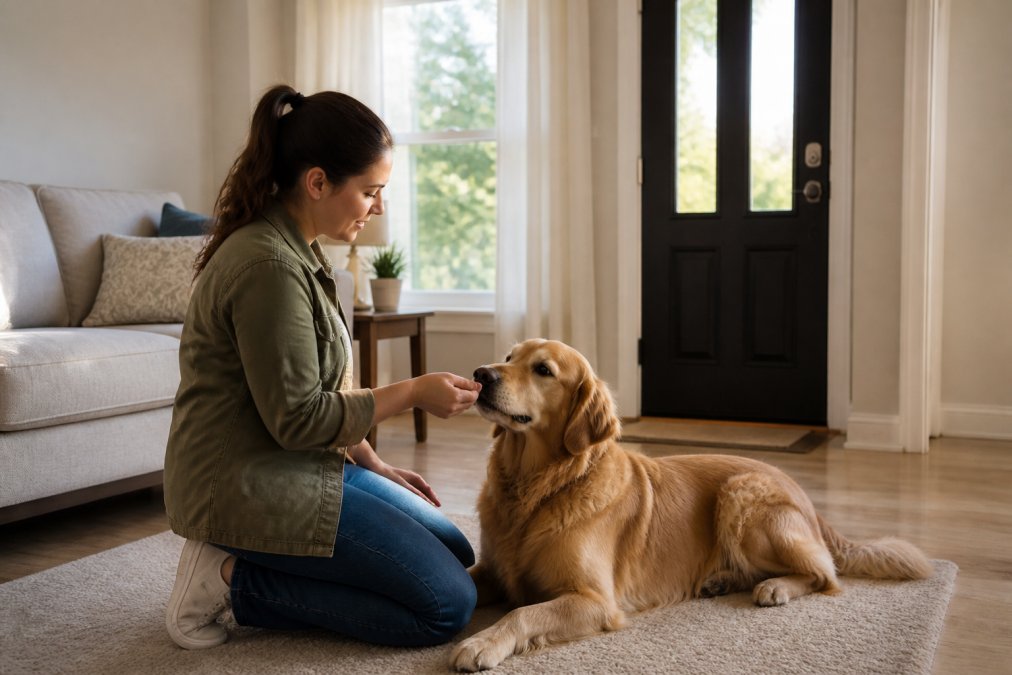
Desensitization to Departure Cues
Desensitization is the process of exposing a dog to a trigger at such a low intensity that it produces no anxiety response, then very slowly increasing that intensity over time. Departure cues, picking up keys, putting on shoes, grabbing a bag, often trigger anxiety before you've even reached the door.
Here's a practical desensitization sequence:
- Identify your specific departure cues. Watch your dog's body language as you go through your morning routine and note exactly when stress signals begin.
- Isolate each cue. Pick up your keys and put them down. Repeat 10-15 times daily until the dog shows no response.
- Layer cues gradually. Once keys are neutral, add the next cue. Never add a new cue until the previous one is fully neutralized.
- Practice micro-departures. Step outside for 5 seconds and return before the dog reaches their anxiety threshold. Gradually extend duration.
- Keep returns calm. Do not greet the dog enthusiastically on return. A calm arrival signals that departures are not high-stakes events.
The threshold management piece is critical. If your dog is already panting and pacing, you've gone too fast. Back the duration down and rebuild.
Counter-Conditioning with Positive Reinforcement
Counter-conditioning pairs the departure trigger with something the dog genuinely loves, shifting the emotional association from negative to positive. The goal is for the dog to think: "Owner leaving = something great happens."
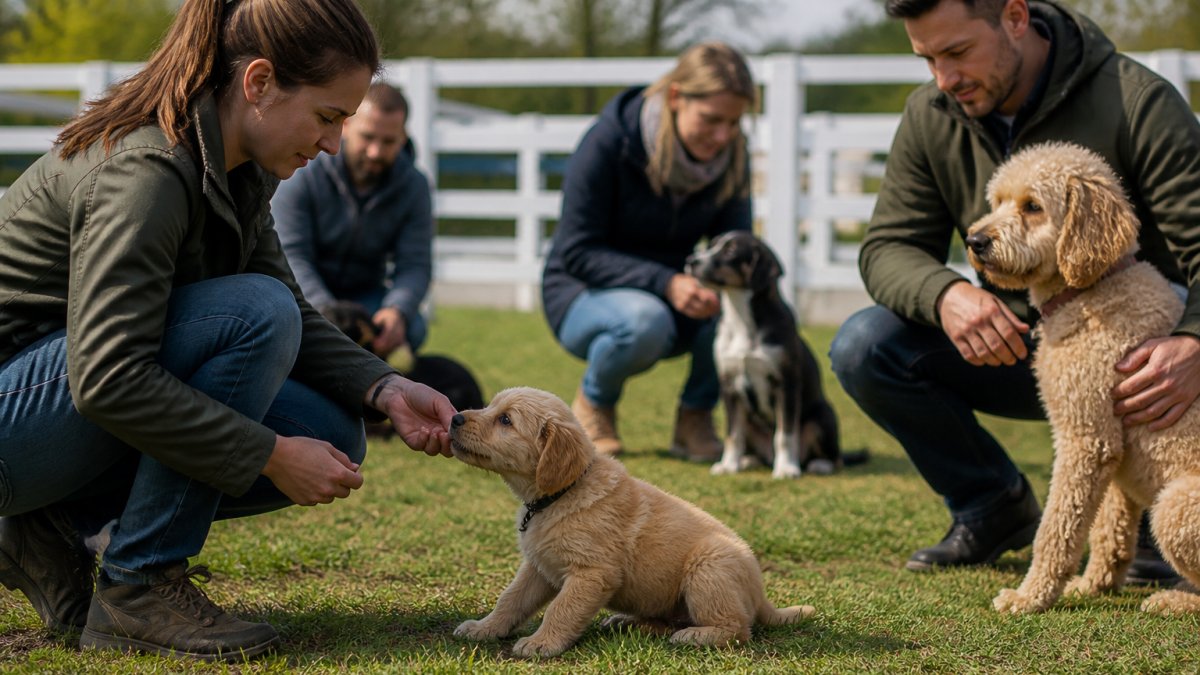
Reserve a high-value, long-lasting chew or food-stuffed toy exclusively for alone time. Begin by offering the item while you're still present. Once the dog is engaged, step out briefly. Over time, the dog begins to anticipate the departure because it predicts the reward. The key is consistency: every departure gets the item, every time, until the behavior is stable.
Building a Safe Haven and Using Environmental Enrichment
A safe haven is a designated space where the dog feels genuinely secure, a crate with the door open, a gated room, or a specific bed in a low-traffic area. Environmental enrichment during alone time reduces the cognitive load of anxiety by giving the dog something to focus on. Effective options include puzzle feeders, calming pheromone diffusers, white noise, and rotation of novel toys. Routine consistency matters enormously to anxious dogs; the same space, same enrichment items, and same departure sequence reduce anxiety symptoms over time.
Managing Departures, Arrivals, and Daily Routine
The way you leave and return home has a direct effect on your dog's anxiety levels. A dramatic goodbye, extended petting, baby talk, and emotional reassurance actually increase arousal before departure, making the contrast of being alone feel more intense. The same applies to arrivals. Keep both departures and arrivals low-key. Leave without ceremony. Return without fanfare. Wait until the dog is calm before offering attention.
Daily routine consistency is equally important. Dogs are highly attuned to temporal patterns. Feeding, exercise, and departure times that follow a predictable schedule reduce baseline anxiety. According to the ASPCA's guidance on separation anxiety in dogs, exercise before a departure period is one of the most effective ways to reduce anxiety symptoms. Aim for meaningful physical activity, at least 30-45 minutes, before a planned absence.
Tracking Progress: A Data-Driven Approach
Most owners rely on guesswork to assess whether training is working. A more effective approach is systematic progress tracking. Set up a camera or monitoring app before you leave and review footage from the first 30 minutes of your absence. Log what you observe:
| Week | Max Alone Time (No Distress) | Observed Behaviors | Notes |
|---|---|---|---|
| 1 | 2 minutes | Pacing, whining at door | Freeze toy used, ate half |
| 2 | 5 minutes | Brief whine, then settled | Settled faster with pheromone diffuser |
| 3 | 12 minutes | No vocalization | Chewed toy for 10 min |
| 4 | 20 minutes | Calm throughout | Ready to extend duration |
This kind of behavioral assessment gives you concrete data to work with and helps identify when you're moving too fast.
How to Prepare Your Dog for Boarding
Boarding is a significant event for a dog with separation anxiety, but with the right preparation, it doesn't have to be a setback. Start the preparation process at least two to three weeks before the boarding date.
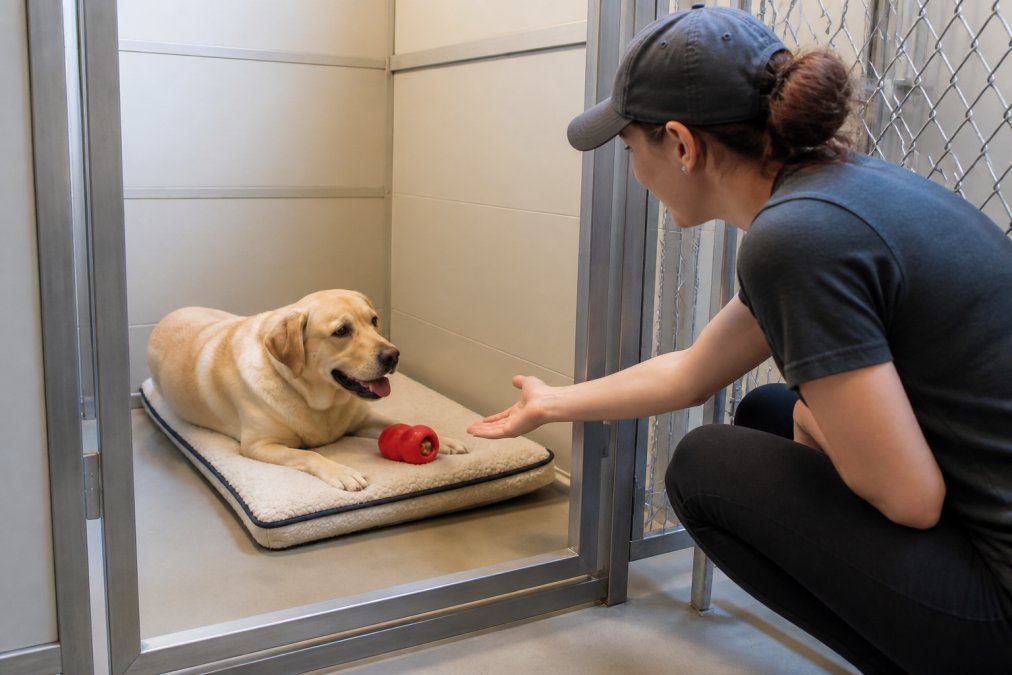
Preparation checklist:
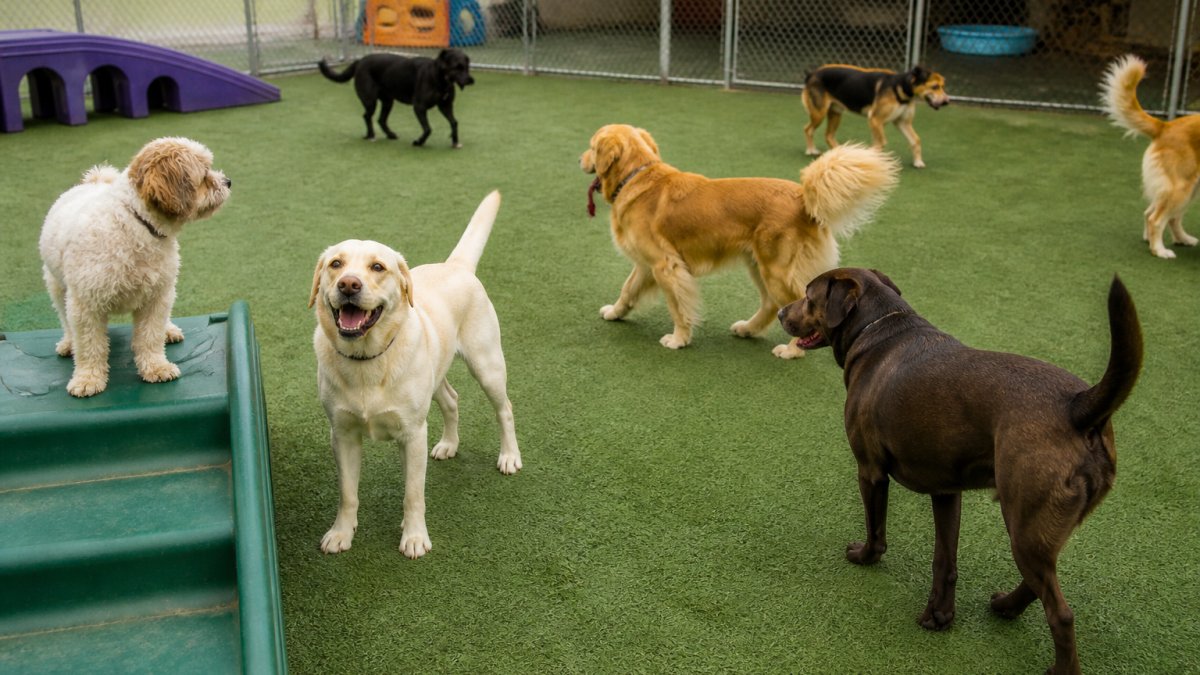
- Schedule a trial visit or daycare day before the full boarding stay so the dog can acclimate to the new environment and staff
- Bring a worn item of your clothing; familiar scent is a powerful calming anchor for anxious dogs
- Continue the same food-stuffed toy routine the dog uses at home
- Share your dog's specific anxiety triggers and training history with the boarding staff in writing
- Confirm that the facility has 24/7 supervision and can accommodate your dog's individual needs
At Ruffin' It Ranch, our staff are trained to recognize stress signals and adjust care accordingly. Our large private indoor and outdoor runs give dogs space to decompress rather than feeling confined. We're PPCS Certified in pet boarding, and we work with dogs including puppies and those with special needs. An environment with 24/7 professional staff, individualized attention, and appropriate enrichment can support anxious dogs.
When to See a Vet for Dog Anxiety
Behavior modification alone is not always sufficient. Some dogs have anxiety that is neurological in origin or severe enough that training cannot gain traction without pharmaceutical support. According to the Merck Veterinary Manual's overview of canine behavioral disorders, anxiolytic medication is not a replacement for behavior modification but a tool that makes the dog trainable.
Signs that warrant a veterinary consultation:
- Self-injurious behavior during absences (broken teeth, bloody paws, hair loss from excessive licking)
- Complete inability to eat or engage with enrichment even at very short separation durations
- No measurable progress after 8-12 weeks of consistent desensitization training
- Anxiety that generalizes beyond owner absence to any novel situation
A veterinary behaviorist is a board-certified specialist with advanced training in canine cognition and behavioral pharmacology. If your dog's anxiety is severe, this is the right referral. The earlier a professional assessment happens, the better the prognosis.
Dog separation anxiety is genuinely hard to manage alone, and the training timeline can feel discouraging. The dogs that make the most progress are the ones whose owners commit to a consistent plan and get professional support when needed. If you're preparing for travel or a return to the office and need a boarding environment that understands anxious dogs, Ruffin' It Ranch offers 24/7 on-site staff, private runs, and individualized care built for dogs with exactly these kinds of needs. Book your pet's stay now and let our team support your dog's wellbeing while you're away.
Frequently Asked Questions
Q: What are the signs of severe anxiety in dogs?
A: Severe dog separation anxiety goes beyond occasional whining. Watch for sustained, frantic vocalization, destructive behavior focused on exit points like doors and windows, house soiling despite being house-trained, self-injury from escape attempts, and complete refusal to eat when left alone. Pacing and drooling that begin the moment departure cues appear, like picking up keys, are also strong stress signals. If your dog shows several of these together, a veterinary behaviorist assessment is the appropriate next step.
Q: How long does it take to treat separation anxiety in dogs?
A: There is no fixed timeline. Mild cases with consistent desensitization and counter-conditioning training can show meaningful improvement in four to eight weeks. Severe separation-related behavior often takes several months of structured behavior modification, and some dogs benefit from anxiolytic medication alongside training to make progress. The key variable is consistency: dogs that receive daily threshold management practice improve faster than those trained sporadically. Keeping a log of session lengths and your dog's stress signals helps you measure real progress.
Q: Should I let my dog cry it out with separation anxiety?
A: No. Leaving an anxious dog to 'cry it out' does not teach coping skills, it prolongs distress and can worsen the condition. Dog separation anxiety is not a dominance or stubbornness issue; it is a genuine fear response. The effective approach is gradual exposure: start with absences your dog can tolerate without showing stress signals, then extend duration slowly. Flooding a dog with long separations before it has the coping capacity typically increases anxiety rather than reducing it.
Q: Can professional boarding help with dog separation anxiety?
A: A well-matched boarding environment can actually support a dog's separation anxiety training, provided the facility offers individualized care rather than long periods of isolation. Look for 24/7 staffing, private runs, and staff trained in reading canine stress signals. A trial daycare visit before a full overnight stay lets your dog build a positive association with the space gradually, which mirrors the desensitization approach used in formal behavior modification programs. Ask the facility how they handle dogs that show anxiety symptoms on arrival.
This article was written using GrandRanker