 how-to
How to Socialize a Shy Puppy: A Step-by-Step Guide
Table of Contents
- How to Socialize a Shy Puppy: Start With Calm and Observation
- How to Socialize a Scared Puppy Around People
- How to Socialize a Puppy Around Other Dogs Safely
- Your Puppy Socialization Timeline: A Week-by-Week Plan
- Vaccination, Disease Risk, and Safe Socialization Before Full Vaccination
- Puppy Socialization Checklist: What to Track and When to Get Help
- Frequently Asked Questions
Last Updated: October 12, 2026
How to Socialize a Shy Puppy: Start With Calm and Observation
How to socialize a shy puppy comes down to one principle: let the puppy set the pace, and never force an interaction.
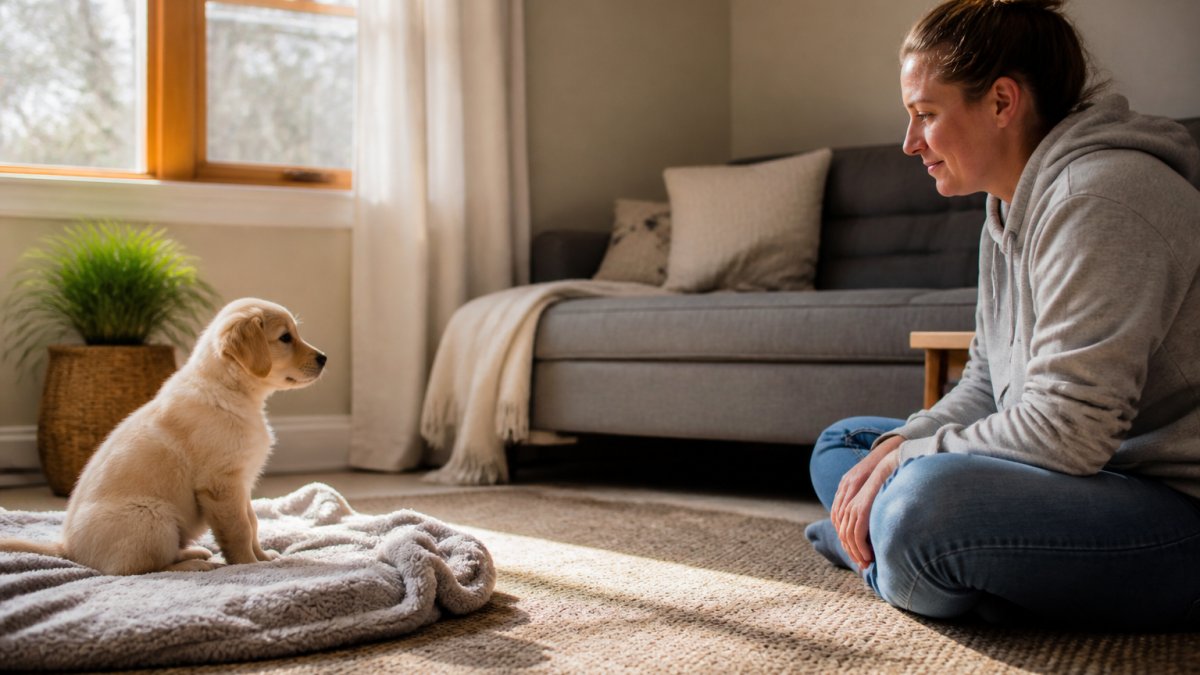
At Ruffin' It Ranch, we care for puppies every day, including timid ones who need extra patience.
Start by watching, not doing. Sit on the floor a few feet away and let your puppy come to you. Keep your voice soft.
Reading Your Puppy's Body Language and Stress Signals
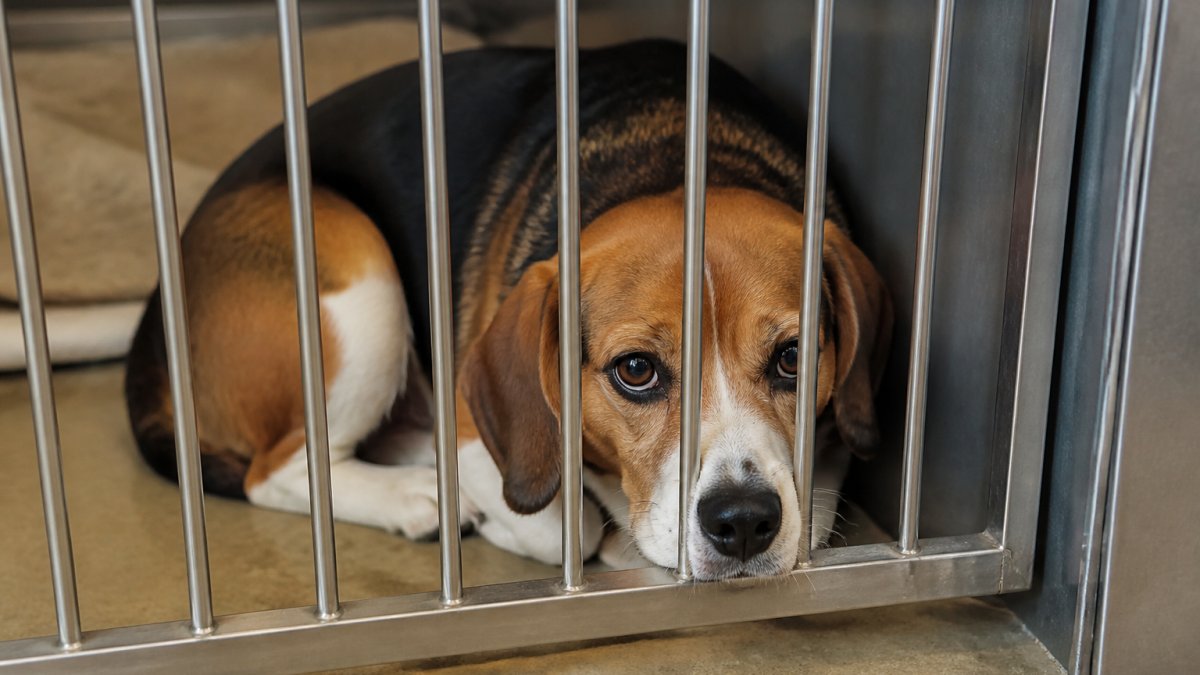
A shy puppy tells you when it's overwhelmed. You just have to know the signs.
Watch for these stress signals:
- Tucked tail or lowered body posture
- Ears pinned back against the head
- Lip licking or yawning when not tired
When you see two or more of these, stop. Increase the distance. Give your puppy a break.
The American Veterinary Medical Association's pet behavior resources notes that recognizing fear signals early helps prevent long-term anxiety. This matters more than any training trick.
Setting Up a Low-Stress Environment
A calm environment does most of the work for you. Set up a quiet room with a bed, water, and a place to retreat. Keep traffic low.
Follow these steps:
- Pick a room away from loud noises and busy doorways
- Add a crate or covered bed as a safe zone
- Keep the TV and music off during introductions
- Move slowly and speak in a soft tone
- Let your puppy explore on its own schedule
How to Socialize a Scared Puppy Around People
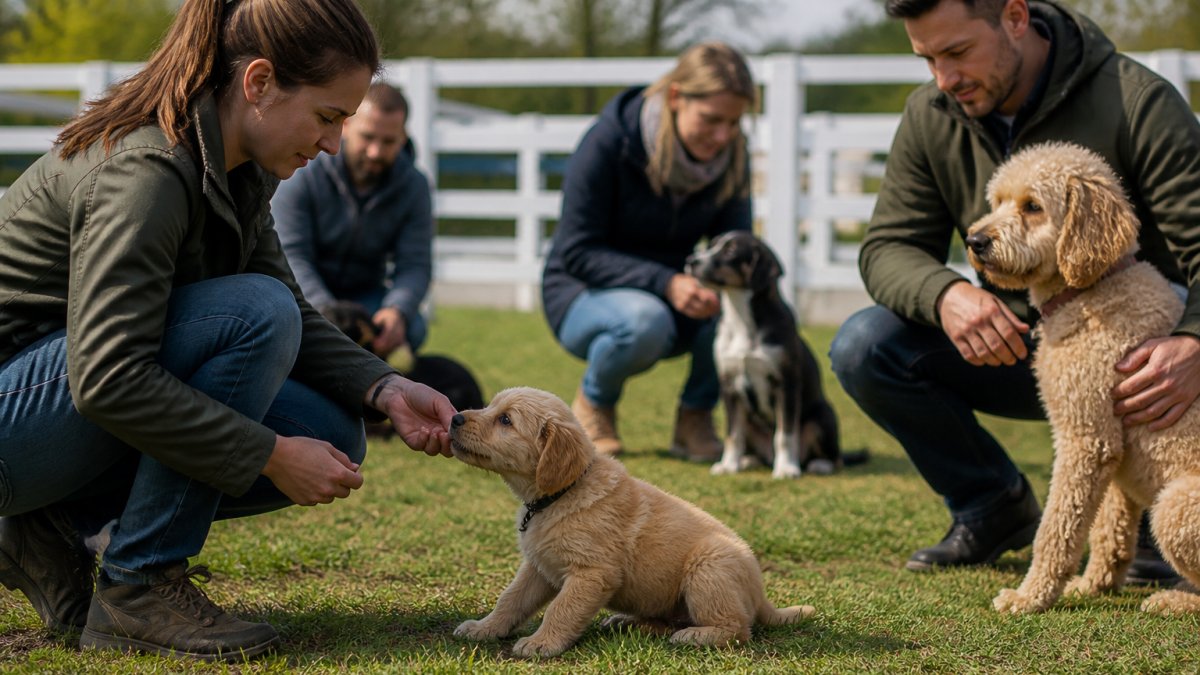
How to socialize a scared puppy around people starts with distance and choice. Have strangers ignore the puppy at first. No reaching, no looming, no eye contact.
Here's the sequence that works:
- Start at a distance. Have the person stand or sit several feet away.
- Let the puppy approach first. Never carry it toward someone.
- Use the side approach. Have people turn sideways rather than face the puppy head-on.
- Toss treats, don't hand them. This removes the pressure of taking food from a hand.
- End on a good note. Stop while the puppy is still relaxed, not after it's scared.
One common mistake is inviting a crowd. Five visitors at once overwhelms a shy puppy.
Positive reinforcement does the heavy lifting here. Reward every calm choice with treats, praise, or a favorite toy.
How to Socialize a Puppy Around Other Dogs Safely
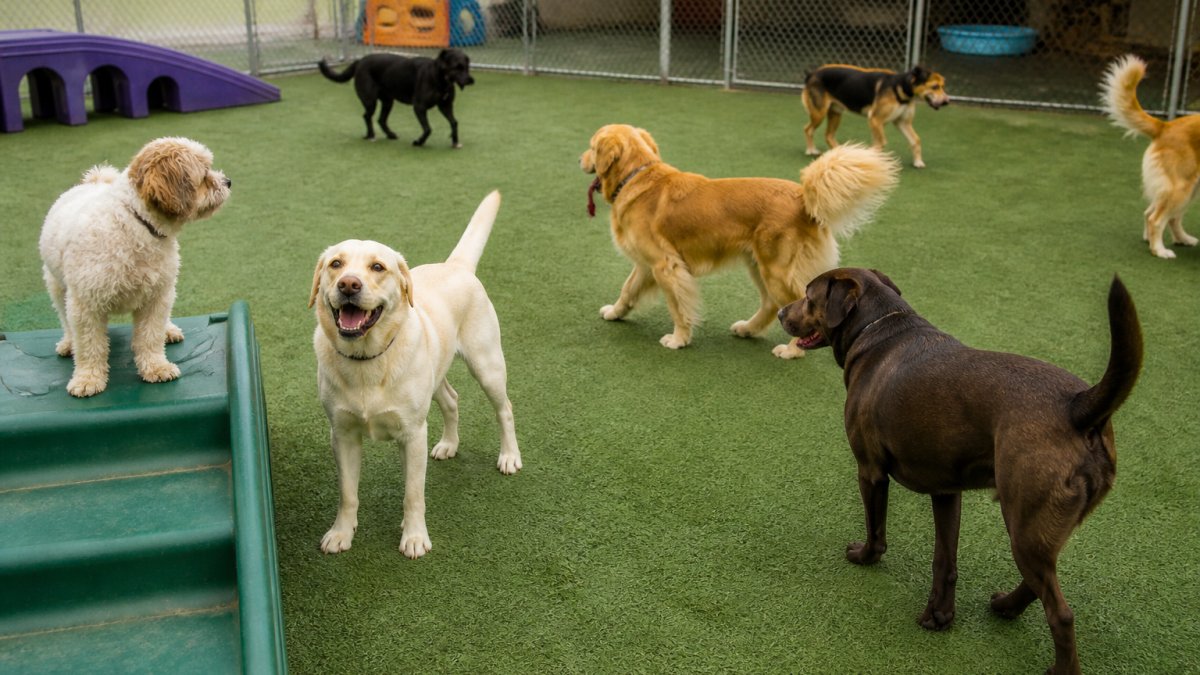
How to socialize a puppy around other dogs through controlled exposure, not off-leash chaos. A single bad encounter can set a shy puppy back weeks, so the goal is stacking calm repetitions rather than racing to a playdate.
Follow this order:
- Parallel walks. Two dogs walk on opposite sides of the street, no contact.
- Distance observation. Watch other dogs from across a park.
- Supervised interaction. One calm adult dog, leashed, short session.
- Off-leash play. Only after the puppy shows relaxed body language.
Watch the other dog as closely as your own. A pushy or rough dog will scare a shy puppy fast.
Progression Criteria: When to Move to the Next Step
Most guides list the steps but skip the thresholds. Use these as your gate between stages. If the puppy fails any criterion, drop back one step for a few sessions before trying again.
| Step | What It Looks Like | Move On When |
|---|---|---|
| Parallel walks | Dogs walk apart, no contact | Puppy stays relaxed, takes treats, and glances at the other dog without freezing |
| Distance watching | Observe dogs from afar | Puppy looks at the other dog and then back at you (a "check-in"), tail at or above neutral, no stress signals |
| Supervised meeting | One calm dog, leashed | Both dogs stay loose, sniff briefly, and can be called away without a hard stare or stiff posture |
| Off-leash play | Free play, short bursts | Puppy returns to play after a brief pause, takes treat breaks, and disengages on its own |
Body-Language Thresholds That Mean Pause or Back Off
A shy puppy rarely flips from calm to panicked in one jump. Watch for these concrete signs and treat each as a stop signal, not a challenge to push through:
- Freezing. A sudden stop mid-motion, even for a few seconds, means the puppy has hit its limit.
- Retreating. Backing up, tucking behind you, or trying to climb into your lap.
- Treat refusal. A puppy that was happily taking food and suddenly stops is over threshold.
- Hard stare or stiff body. Rigid posture, closed mouth, and a fixed look at the other dog.
When you see one of these, calmly increase distance. Do not pick the puppy up unless it is in danger, since that can reward the retreat and teach it that being held is the only escape.
Recovery After a Frightening Encounter
If a greeting goes badly, do not force a "redo" the same day. A common pattern is that owners try to end on a good note by reintroducing the dog immediately, which usually makes the fear worse.
A practical recovery protocol:
- End the session. Walk the puppy away without drama. No scolding, no soothing in a worried voice.
- Give a decompression day. Skip new dog exposure for 24 to 48 hours. Stick to familiar walks and calm home time.
- Drop back two steps. If the scare happened at a supervised meeting, return to parallel walks for several sessions.
- Rebuild with easy wins. Short, successful repetitions at a distance rebuild confidence faster than pushing forward.
- Log what triggered it. Note the other dog's size, energy, and approach style so you can avoid that pattern next time.
Puppy class can help, but only if the class is small and supervised. Ask the trainer how many puppies attend, whether shy puppies get space to opt out, and whether the class uses barriers or visual blocks between stations.
Your Puppy Socialization Timeline: A Week-by-Week Plan
A puppy socialization timeline keeps you from doing too much too fast. The goal is steady progress, not a packed calendar.
| Age | Focus | Daily Exposure |
|---|---|---|
| 8-10 weeks | Home sounds, one calm person | 5-10 minutes |
| 10-12 weeks | One new person, one new surface | 10 minutes |
| 12-14 weeks | Calm adult dog, car rides | 15 minutes |
| 14-16 weeks | Short outings, gentle handling | 15-20 minutes |
| 16+ weeks | New places, gradual variety | 20 minutes |
Short sessions beat long ones. A shy puppy learns more from five calm minutes than an hour of stress.
This is also where most guides fall short. They list exposures but skip the pace. Your puppy's comfort zone, not the calendar, sets the speed.
Vaccination, Disease Risk, and Safe Socialization Before Full Vaccination
The biggest question owners ask: can you socialize before the puppy is fully vaccinated? Yes, but carefully.
The American Veterinary Medical Association's vaccination guidelines recommend balancing disease risk against behavior risk. Both matter. A puppy that misses early socialization can carry fear into adulthood.
Safe options before full vaccination:
- Carry your puppy in public rather than setting it down
- Host calm visitors at home
- Use a clean, private yard instead of public parks
- Attend a puppy class that requires vaccination and sanitizes the space
Avoid dog parks, pet store floors, and areas with unknown dogs. These carry real disease risk.
Puppy Socialization Checklist: What to Track and When to Get Help
A puppy socialization checklist turns a vague goal into trackable progress. Log each new person, place, sound, and animal. Note how your puppy reacted, and rate the reaction on a simple 1-to-5 scale so you can see movement over weeks rather than guessing.
The Exposure Checklist
Socialization goes beyond people and dogs. It includes sounds, surfaces, handling, and new places. Cover these too:
- New person, calm and seated
- New person standing, then moving
- New surface, such as tile, grass, gravel, or a wobble board
- Household sound, like a vacuum, doorbell, or blender
How to Rate Each Exposure
Use the same 1-to-5 scale for every entry so the log is comparable across weeks:
- 1, Puppy freezes, hides, or refuses food.
- 2, Puppy shows stress signals (lip licking, whale eye, tucked tail) but still takes treats.
- 3, Puppy is alert but neutral. No stress signals, no eager engagement.
- 4, Puppy looks at the stimulus, then back at you, and takes treats easily.
Aim for a 3 or higher before adding intensity. If an item sits at 1 or 2 for more than a few sessions, reduce distance, duration, or intensity rather than repeating the same exposure.
What Counts as Progress
Progress is not "the puppy likes everyone now." Progress is a rising score on the same item over time, or the same score at a harder version of the item. A shy puppy that moves from a 2 to a 3 near a stranger in two weeks has made real gains, even if it never approaches.
Track three things per session: the score, the duration, and the distance. If any one of those increases and the score holds, you are moving forward.
When to Get Professional Help
Most shy puppies improve with steady, low-pressure exposure. Some do not, and waiting too long makes the problem harder to unwind. Contact a veterinarian or a certified behavior consultant if you see any of these:
- Persistent hiding. The puppy hides for most of the day, not just during new events.
- Food refusal in new settings. A puppy that will not eat in any unfamiliar place is over threshold and not learning.
- Escalating reactions. Growling, snapping, or lunging that gets worse rather than better with exposure.
- Sudden behavior change. A previously outgoing puppy that becomes fearful can have a medical issue, so a veterinary visit comes first.
A veterinarian can rule out pain, thyroid issues, and other medical causes. The American Kennel Club's puppy socialization guidance also offers practical benchmarks for normal progress, and your veterinarian can point you toward local behavior resources.
Measure progress by calm behavior, not by how friendly your puppy seems. A shy puppy that stays relaxed near a stranger has made real gains.
Frequently Asked Questions
Can you fix an unsocialized dog?
You can make significant progress with an unsocialized dog, but the approach differs from socializing a young puppy. A shy puppy has a critical window before 16 weeks when positive experiences shape their adult personality. An older unsocialized dog may need a slower, more structured plan focused on building trust and using counter-conditioning. Professional help from a certified trainer or veterinary behaviorist is often necessary for adult dogs with severe fear, but improvement is always possible.
How can you tell if a puppy is overwhelmed during socialization?
Watch for specific stress signals: tucked tail, flattened ears, lip licking, yawning when not tired, whale eye (showing the whites), freezing, or trying to hide. If your puppy stops taking treats or refuses to move, they are past their comfort zone. Increase distance immediately and give them a break. A puppy that is merely cautious will still sniff and explore; an overwhelmed puppy shuts down.
How often should you socialize a shy puppy?
Short, positive sessions daily work better than long outings once a week. Aim for 5 to 10 minutes of gentle exposure at home, then build to 15-minute outings in low-traffic areas. Quality matters more than quantity: one calm encounter with a friendly person is worth more than five stressful ones. Always end on a positive note before your puppy gets overwhelmed.
When should you get professional help for a fearful puppy?
If your puppy hides consistently, trembles during normal household activities, refuses to eat for more than a day, or shows aggression when approached, consult a veterinarian or certified behavior consultant. A vet can rule out pain or medical causes. A behaviorist can create a tailored plan for severe fear. Early intervention prevents fear from becoming a lifelong pattern.
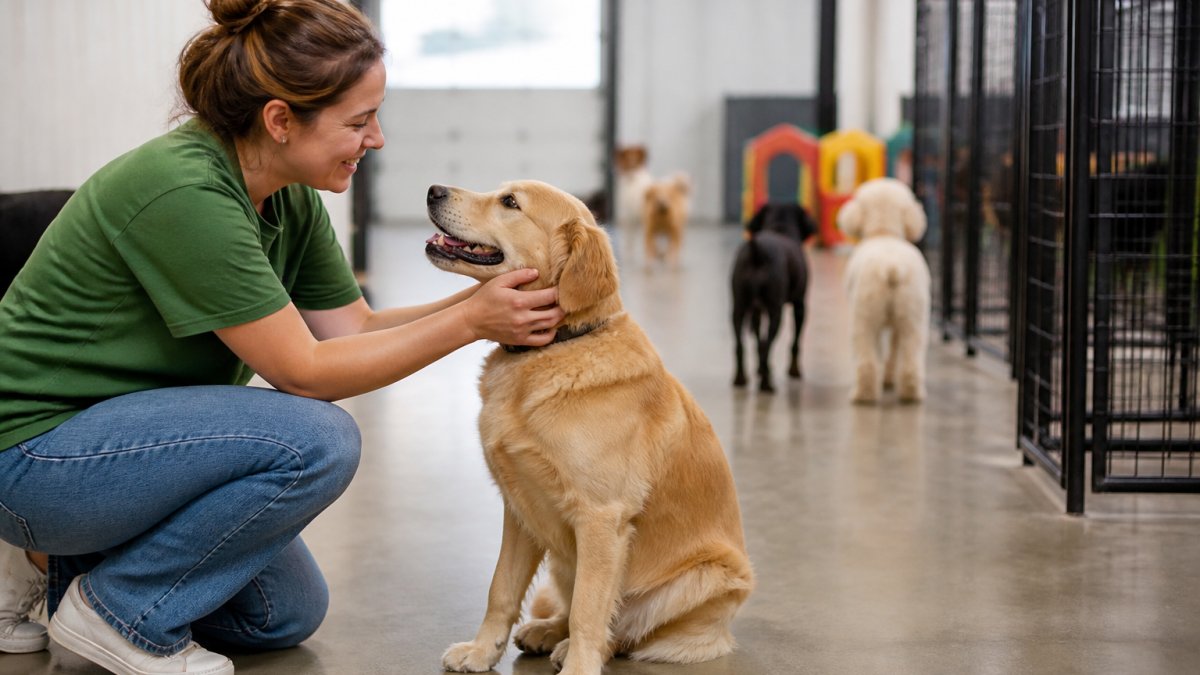
Socializing a shy puppy takes patience, and some puppies need more support than a busy home can give. That's where we come in. At Ruffin' It Ranch, our 24/7 on-site team provides individualized care in a climate-controlled space with private indoor and outdoor runs. We offer safe socialization through private or open play sessions, and we're equipped to care for puppies who need a slower, gentler approach. Book your pet's stay now and give your shy puppy a calm, caring place to build confidence.