 how-to
Signs of Stress in Boarding Dogs: What to Watch For
Table of Contents
- Understanding Signs of Stress in Dogs Before and During Boarding
- How to Calm a Dog Before Boarding: Preparation Steps That Work
- How Long Does It Take a Dog to Adjust to Boarding: A Timeline
- Dog Behavior After Boarding: What's Normal and What Isn't
- Questions to Ask Your Boarding Facility and What to Observe
- Tailoring Boarding Plans for Individual Risk Factors
- Frequently Asked Questions
Last Updated: October 10, 2026
Understanding Signs of Stress in Dogs Before and During Boarding
Recognizing the signs of stress in boarding dogs is essential for pet owners who want to ensure their companions stay calm and safe while away from home.
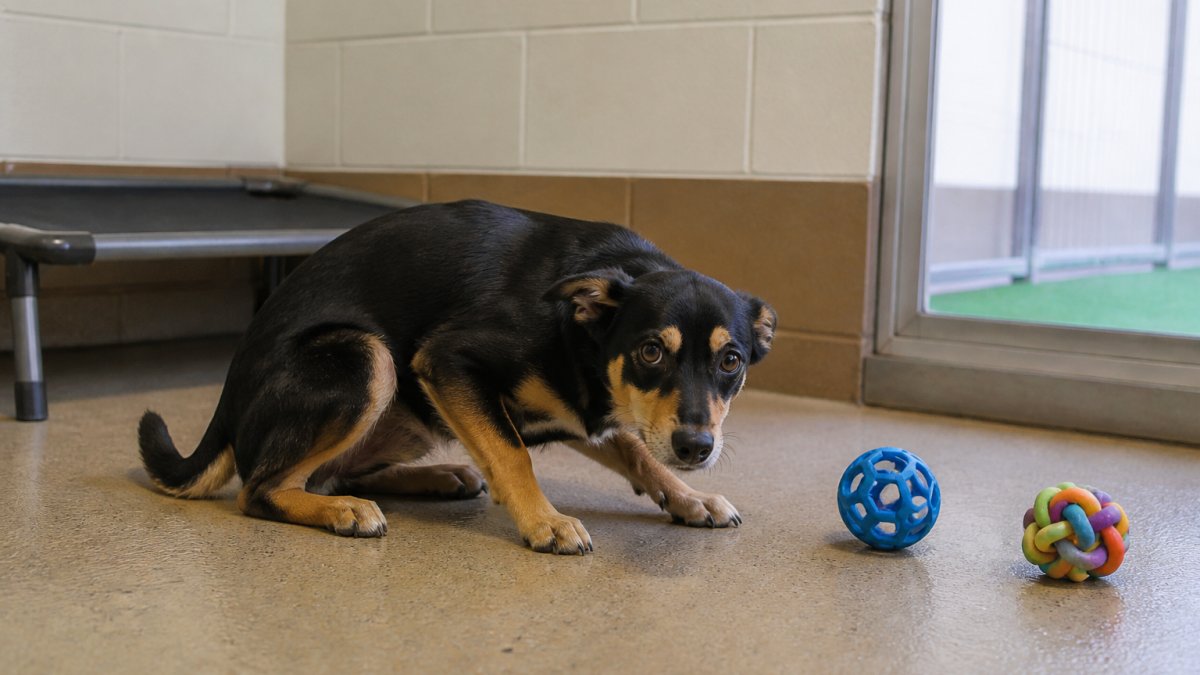
Physical stress signals to watch for
Your dog's body sends clear messages when stressed. Watch for panting (even when inactive or cool), excessive drooling, yawning, lip licking, trembling, loose stools, or upset stomach during the first few days away.
Other physical indicators include:
- Dilated pupils or staring intently
- Loss of appetite or refusing treats
- Restlessness and inability to settle
- Excessive shedding beyond normal patterns
Behavioral changes that indicate anxiety
Stress shows up in behavior: withdrawal, clinginess, whining, barking, pacing, or destructive behavior like chewing or scratching.
Aggression can emerge under stress, a friendly dog might snap or growl when anxious. This is fear, not a personality change.
How to Calm a Dog Before Boarding: Preparation Steps That Work
Address boarding stress before it happens. Preparation reduces anxiety and allows gradual adjustment rather than sudden change.
Gradual acclimation and trial stays
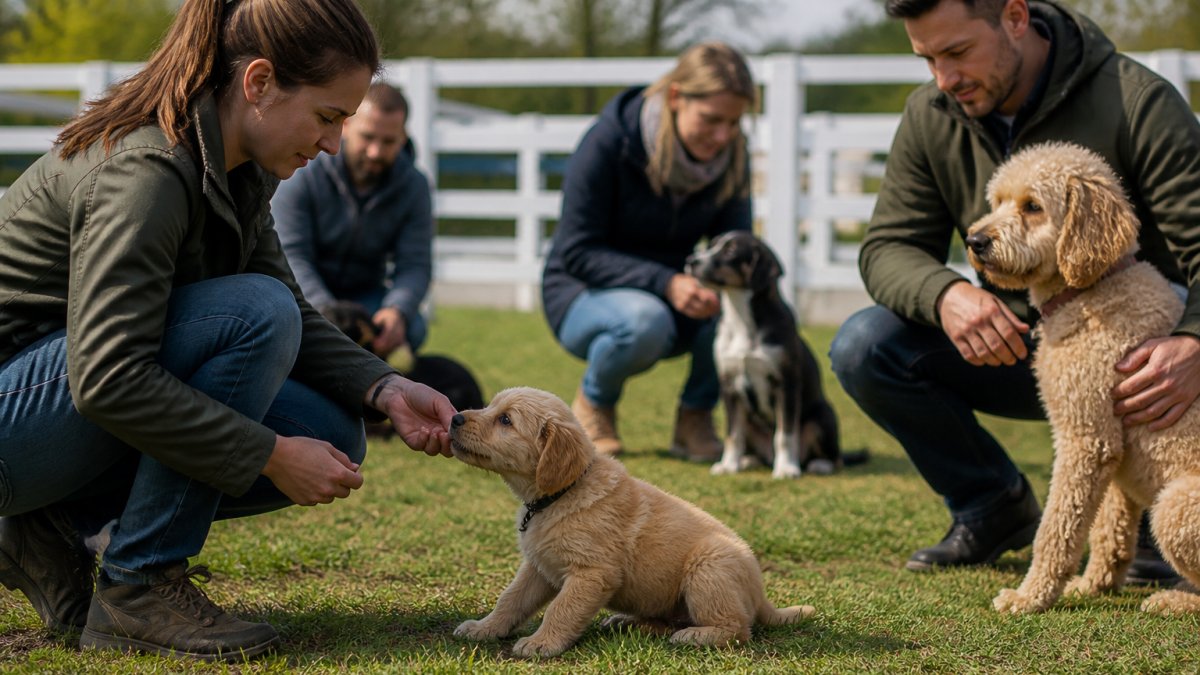
Introduce your dog to the facility weeks in advance with short 30-minute visits, gradually increasing time. Schedule a trial overnight stay a week or two before actual boarding.
Key preparation steps: Schedule visits 3-4 weeks ahead, keep them short and positive, let your dog explore at her own pace, praise calm behavior, and plan a trial overnight stay.
What to bring and how to set up for success
Pack familiar items (toys, blanket, comfort items) and detailed information about feeding times, exercise preferences, behavioral quirks, and medical needs to maintain consistency.
Include written instructions about:
- Feeding schedule and portion sizes
- Medications or supplements
- Behavioral triggers and how to handle them
- Your dog's play style and exercise needs
Leave your contact information and a backup emergency contact. Knowing the facility can reach you if needed gives both you and your dog peace of mind.
How Long Does It Take a Dog to Adjust to Boarding: A Timeline
Track measurable changes, appetite, sleep, elimination, and activity, to assess whether your dog is improving or deteriorating.
First 24 hours: Initial adjustment and what to monitor
Day one is the hardest. Expect signs of stress in boarding dogs: panting, whining, meal refusal, restlessness, and poor sleep. This is normal. Quality facilities keep the environment calm and quiet.
Track day one: appetite (first meal refusal is normal; second meal refusal warrants a call), elimination (loose stools normal), sleep (restlessness typical), behavior (whining, pacing, withdrawal expected), and interaction (minimal expected).
Days 2-5: Settling-in period and measurable improvement
By day two, many dogs begin adjusting as appetite returns and engagement increases. Some settle by day two; others take until day four or five. The key is measurable improvement.
By day three, expect at least two or three improvements: eating 50%+ of meals, firming stools, longer sleep stretches, toy engagement, or reduced vocalization. If not, contact the facility and your vet.
Days 5-7: Stabilization or red-flag threshold
By day five, your dog should show clear improvement: eating normally, sleeping through the night, and engaging with the environment. Constant stress is not normal.
Green flags (days 5-7): eating all meals, normal stools, 6+ hours uninterrupted sleep, engagement, relaxed posture. Red flags: eating less than 25% of meals, persistent diarrhea/vomiting, no improvement in stress behaviors, refusal to interact, weight loss, or lethargy.
Beyond one week: When prolonged stress becomes harmful
If your dog displays strong stress signals after seven days, the situation isn't working. Prolonged stress elevates cortisol, suppresses immunity, and causes lasting behavioral changes. Consider ending the stay early, switching facilities, consulting a veterinary behaviorist, or exploring alternatives like pet sitting or day care.
Dog Behavior After Boarding: What's Normal and What Isn't
Your dog's behavior when you pick her up tells you how the stay went. Some changes are expected; others warrant attention.
Expected post-boarding adjustment
Most dogs are excited and slightly clingy after reunion, sleeping more and possibly having loose stools for a day or two. Brief clinginess and increased need for attention are normal and resolve within a few days.
Red flags that require veterinary attention
Contact your vet for persistent diarrhea, vomiting, meal refusal beyond 24 hours, weight loss, lethargy, injury, new aggression, extreme fear, or compulsive behaviors, these suggest trauma or significant stress.
Questions to Ask Your Boarding Facility and What to Observe
Ask specific questions about stress management and monitoring. A tour is essential, observation often matters more than staff answers.
Critical questions about stress management and supervision
Ask about stress identification and response protocols, communication frequency, emergency procedures, overnight monitoring, staff-to-dog ratios, experience with separation anxiety and special needs, and accommodation for medications or behavioral issues.
Facility tour: What to observe and red flags
During your visit, observe the physical environment and staff interactions. Don't rely on a sanitized tour, ask to see the actual areas where dogs spend time, including overnight spaces.
Physical environment checklist:
- Climate control: Is the facility temperature-controlled year-round? Dogs overheat easily; facilities should maintain 65-75°F.
- Space and runs: Do dogs have individual runs or kennels with both indoor and outdoor access?
- Cleanliness: Are runs, water bowls, and common areas visibly clean? Odor control matters for stress, ammonia from urine increases anxiety.
- Enrichment: Are toys, chew items, or puzzle feeders available? Dogs left in empty runs experience more stress.
Staff interaction and behavior:
- Attentiveness: Do staff members greet you and your dog calmly? Are they knowledgeable about the dogs in their care?
- Handling: Watch how staff interact with resident dogs. Do they use calm voices, gentle touches, and positive reinforcement? Rough handling or impatience is a red flag.
- Individual attention: Do staff spend time with individual dogs, or do they move through quickly? Dogs showing stress need more, not less, attention.
- Knowledge: Can staff describe the dogs they care for, their personalities, preferences, and any behavioral quirks? Vague answers suggest limited individual attention.
Dog behavior and comfort:
- Resident dogs: How do the dogs currently at the facility look and act? Are they relaxed, engaged, and calm? Or are they anxious, pacing, or withdrawn?
- Social dynamics: If the facility offers group play, observe the interactions. Is play supervised? Do staff intervene if play becomes too rough?
- Rest areas: Can you see dogs sleeping or resting peacefully? Or are most dogs agitated?
Red flags that warrant looking elsewhere
Do not board at a facility if you observe any of these:
- Understaffing: No on-site staff overnight.
- Lack of individual attention: Staff cannot describe your dog's personality or preferences after a tour.
- Overcrowding: Dogs packed into small runs with minimal space or outdoor access.
- Poor sanitation: Visible dirt, strong ammonia smell, or dirty water bowls.
Questions specific to your dog's needs
Once you've assessed the general facility, ask about accommodations for your dog's specific situation:
For anxious or fearful dogs:
- "Can my dog have a private or semi-private run away from high-energy dogs?"
- "Are you willing to do a trial stay or short visit to help her adjust?"
- "Can I leave familiar items like a blanket or toy?"
- "Will you maintain her normal routine as closely as possible?"
For dogs with medical needs:
- "Do you have experience administering medications? What's your protocol?"
- "Can you accommodate special diets or feeding schedules?"
- "What's your response if my dog shows signs of illness?"
For dogs with behavioral history:
- "Have you worked with dogs that have aggression or fear issues?"
- "How would you handle a situation if my dog snaps or shows fear?"
- "Can you provide a separate space if needed?"
Tailoring Boarding Plans for Individual Risk Factors
Some dogs are naturally more prone to stress. Puppies, senior dogs, dogs with separation anxiety, rescue dogs, and dogs with previous negative boarding experiences need customized approaches.
Puppies may struggle with separation from their littermates or mother figure. Senior dogs might have medical needs or mobility issues that complicate boarding.
Work with your facility to develop a plan that addresses your dog's specific needs:
- Shorter initial stays for highly anxious dogs
- More frequent check-ins or updates
- Specialized handling for behavioral issues
- Accommodation for medical needs
- Gradual exposure and acclimation
Your dog's individual temperament, history, and triggers matter. A one-size-fits-all approach doesn't work.
Frequently Asked Questions
What are the most common signs of stress in boarding dogs?
Dogs under stress at boarding often show panting, pacing, whining, barking, and trembling. Physical signs include drooling, lip licking, yawning, and loss of appetite. Behavioral changes such as withdrawal, clinginess, aggression, or destructive behavior are also common. Some dogs experience digestive upset, loose stools, or changes to their bathroom habits. Not every dog shows all signs, and severity varies by temperament and past experience. A professional boarding facility should monitor for these signals and communicate any concerns with you.
How can I help calm a dog before boarding?
Start with a trial stay or short visit to the facility so your dog becomes familiar with the environment, staff, and routine. Bring familiar items like a blanket or toy that smells like home. Maintain a calm demeanor during drop-off, as dogs pick up on owner anxiety. Exercise your dog well before boarding to reduce pent-up energy. If your dog has severe separation anxiety, discuss this with the boarding facility ahead of time so they can provide extra attention or enrichment. Some owners find that a consistent pre-boarding routine helps their dog settle faster.
How long does it take a dog to adjust to boarding?
Most dogs show initial stress in the first 24 hours, which is normal. Many begin to settle by day 2 or 3 as they recognize the routine and staff. By day 4-5, most dogs adjust well and may even appear relaxed. However, individual dogs vary; some settle in one day, while others need a full week. Puppies, dogs with separation anxiety, and those without prior boarding experience may take longer. If stress signs persist beyond one week, contact your veterinarian or the boarding facility to discuss your dog's needs and whether adjustments are needed.
What behavior changes are normal after my dog returns from boarding?
It's common for dogs to be clingy, sleepy, or slightly withdrawn for 24-48 hours after returning home as they readjust to their routine and family. Some dogs may have temporary appetite changes or need extra bathroom breaks. Most return to normal within a few days. However, prolonged aggression, severe anxiety, persistent loss of appetite, or digestive issues lasting more than a few days warrant a veterinary check. These could signal that your dog experienced significant distress or developed a health issue during boarding. Document any unusual behavior and share it with your vet or the boarding facility.
Boarding doesn't have to be stressful for your dog. When you recognize the signs of stress in boarding dogs early and choose a facility that prioritizes individualized care, your dog can have a positive experience. Ruffin' It Ranch specializes in managing anxious dogs with 24/7 professional staff, climate-controlled private runs, and flexible play care that suits each dog's temperament. Book your pet's stay now and give your dog the calm, supportive environment she deserves while you're away.