 how-to
How to Find a Fear Free Groomer for Your Anxious Dog
Table of Contents
- How to Find a Fear Free Groomer: A Step-by-Step Search Process
- What a Fear Free Certified Groomer Actually Does Differently
- Questions to Ask a Dog Groomer Before Booking
- How to Prepare a Nervous Dog for Grooming
- Choosing a Groomer for Anxious Dogs: Environment and Handling
- When a Full Groom Isn't Possible: Alternatives for Fearful Dogs
- Frequently Asked Questions
Last Updated: October 7, 2026
How to Find a Fear Free Groomer: A Step-by-Step Search Process
Finding a fear free groomer starts with knowing what the label actually means, then checking credentials, asking the right questions, and watching how your dog responds. This guide from Ruffin' It Ranch walks you through each step so you can book with confidence.
Fear free grooming is a handling approach that lowers a dog's stress before, during, and after a grooming appointment. It uses calm environments, gentle restraint, breaks, and positive reinforcement instead of force. For an anxious dog, that difference matters more than a perfect haircut.
Here is the search process we recommend, in order:
- Ask your vet and local pet owners for names
- Check online reviews for mentions of patience and calm handling
- Confirm any Fear Free certification directly with the groomer
- Book a meet-and-greet before a full appointment
- Watch your dog's body language at the visit
- Start with a short session, then build up
Most guides skip steps 3 and 4. Those are the two that separate a truly patient groomer from one who simply says the right words.
Fear Free Pets official certification program
What a Fear Free Certified Groomer Actually Does Differently
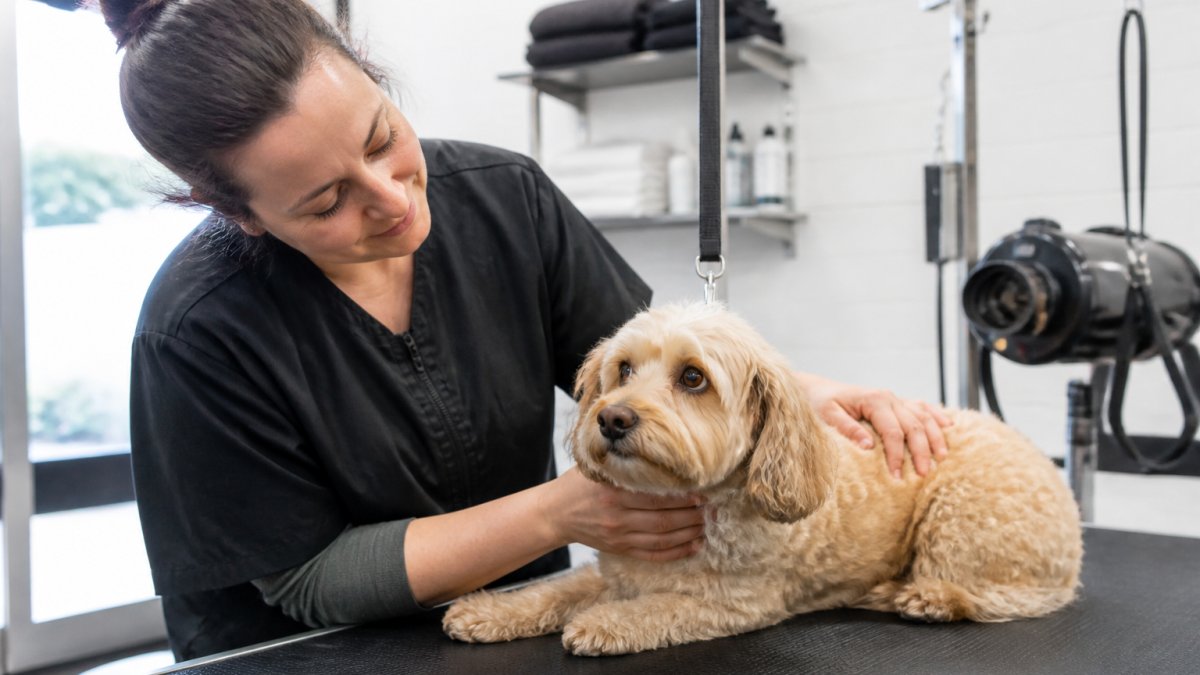
A Fear Free Certified groomer changes the whole appointment, not just the haircut. The goal is a dog that stays calm and learns to tolerate handling over time.
In practice, that looks like:
- One-on-one appointments instead of a busy, loud room
- A quiet space away from barking dogs
- Treats and positive reinforcement throughout
- Breaks during grooming when stress signals appear
- Gentle handling instead of force or tight restraints
- Slower pacing for a shy or fearful dog
The groomer also reads body language closely. A tucked tail, whale eye, or stiff posture means slow down. That focus on stress signals is what makes cooperative care work.
How to Verify Fear Free Credentials Before You Book
Verifying credentials takes one question and one check. Ask the groomer where they earned their certification, then confirm it with the certifying body.
Use this checklist:
- Ask which Fear Free program they completed
- Ask for the name on the certificate
- Check the certifying organization's directory or contact them
- Ask how many hours of training the program required
- Confirm the certification is current, not expired
A real certification is easy to confirm. If a groomer gets vague or defensive, treat that as a warning sign. The American Veterinary Medical Association notes that low-stress handling improves outcomes for anxious animals, which is the whole point of the approach.
Questions to Ask a Dog Groomer Before Booking
The right questions reveal how a groomer handles a nervous dog before you ever hand over the leash. Ask them by phone first, then repeat the most important ones in person during a meet-and-greet. What you are listening for is specificity, a groomer who has actually worked with fearful dogs answers in steps and protocols, not reassurances.
Handling and restraint
- How do you handle a dog that snaps, panics, or tries to bolt?
- What restraint do you use, and when? (A loop lead and a gentle body hold are common; a grooming noose pulled tight or a full immobilization is not low-stress.)
- Do you ever use a drying cage or kennel dryer? (For a fearful dog, the answer you want is no.)
- How do you introduce clippers, dryers, and nail trimmers to a dog that has never tolerated them?
Appointment structure
- Do you offer one-on-one appointments, or will my dog be in a room with other dogs?
- Can I stay for the first visit, or at least watch through a window?
- What happens if my dog gets overwhelmed mid-groom, do you stop, take a break, or push through?
- How long is a typical appointment, and do you build in buffer time for a slow or fearful dog?
Pricing and expectations
Ask what the visit includes and how the price is set. Grooming prices vary widely by breed, coat condition, size, and region, so a groomer should be able to explain the factors rather than quote a flat number. Fear-sensitive appointments often cost more because they take longer, may be split across multiple visits, and may include extra handling time. Ask directly:
- Is there a surcharge for anxious or difficult dogs, and what triggers it?
- What happens if my dog cannot finish the groom, do I pay full price for a partial service?
- Is there a cancellation or no-show policy, and does it differ for fear-sensitive bookings?
- Do you charge by the hour, by the service, or by the dog?
A groomer who builds in that buffer and explains the pricing logic is thinking about your dog's comfort, not just the schedule.
What a good answer sounds like
A strong answer names specific steps: a break in a quiet room, a call to you, a switch to a different tool, or stopping the service and rescheduling. A weak answer is vague, "we're really gentle with them" or "we've never had a problem." Vague is not the same as safe.
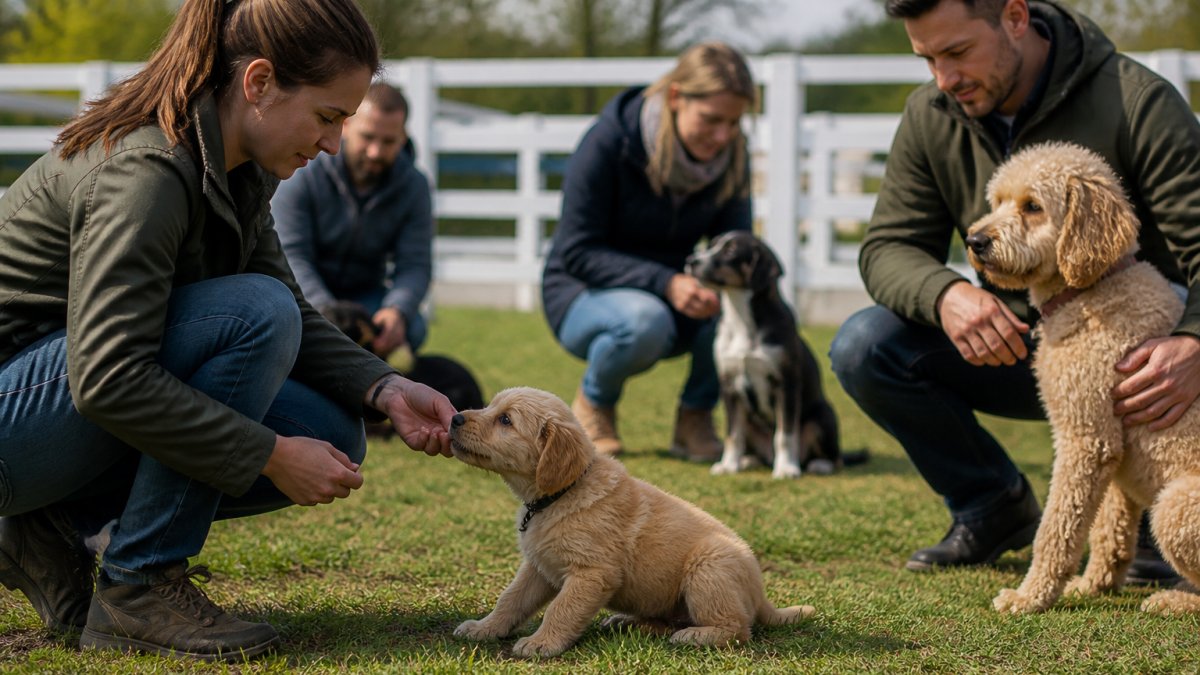
During the meet-and-greet, watch, don't just ask
A phone call screens for philosophy; a visit screens for reality. When you are there, observe:
- Does the groomer lower their voice and move slowly around your dog?
- Do they offer a treat and wait for your dog to approach, or reach straight for the collar?
- Is the room quiet, or is there constant barking and cage noise?
- Does your dog relax, freeze, or try to leave?
Your dog's body language during the visit is data the groomer cannot talk around. A tucked tail, whale eye, stiff posture, or pulling toward the door means the environment is not working, no matter how good the answers sounded on the phone.
How to Prepare a Nervous Dog for Grooming
Preparation starts at home, days before the appointment. Small, calm steps build handling tolerance over time.
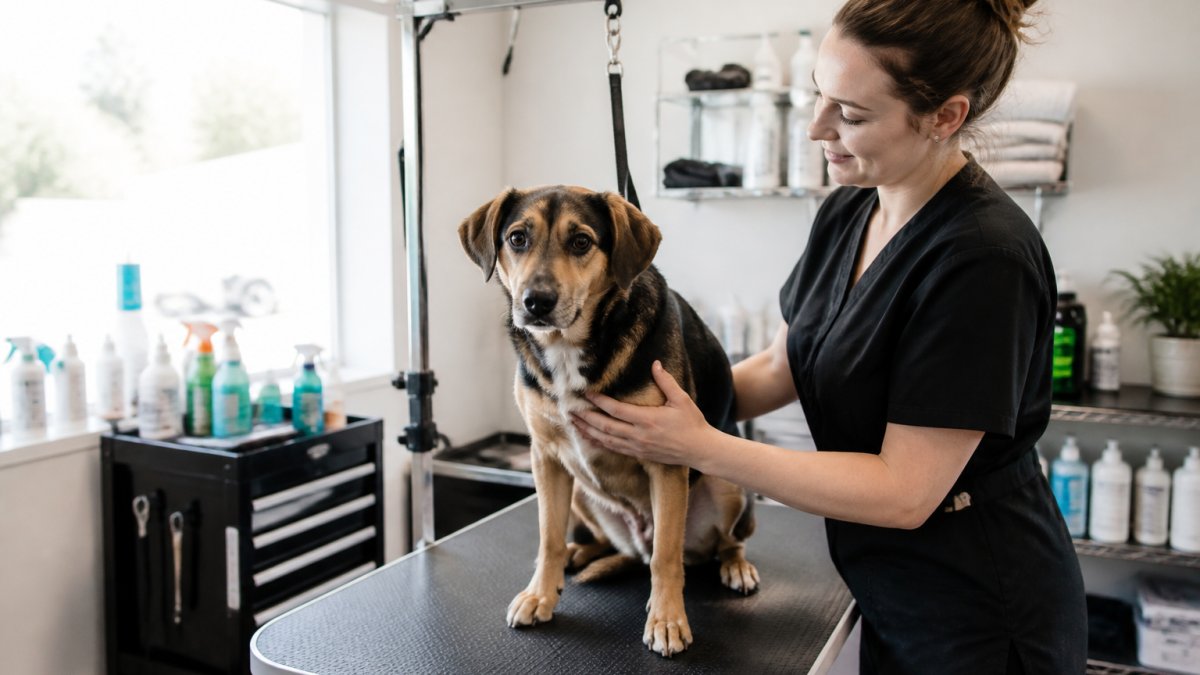
Try these steps:
- Touch your dog's paws, ears, and muzzle gently each day
- Run clippers (turned off) near your dog to build familiarity
- Reward calm behavior with treats and praise
- Take short practice car rides to the groomer's area
- Keep your own energy calm on appointment day
This is desensitization, and it works slowly. A puppy grooming session is the easiest time to start. For an adult dog with grooming fear, expect weeks, not days.
Choosing a Groomer for Anxious Dogs: Environment and Handling
Assess the grooming environment before you book. The space itself tells you a lot about how dogs are treated there.
Look for:
- A quiet, calm room without constant barking
- Separate areas for anxious dogs
- Non-slip surfaces and safe grooming tools
- Groomers who move slowly and speak softly
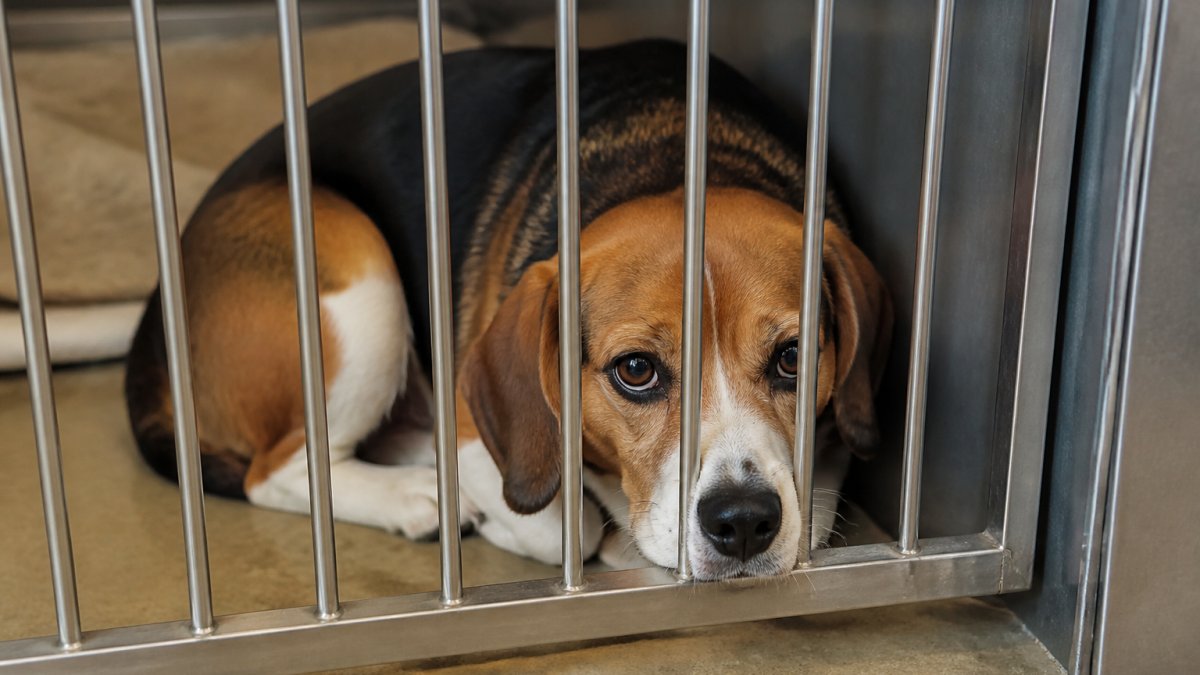
- No crowded kennels or drying cages
Mobile grooming can be a strong option for a fearful dog. A mobile groomer works in your driveway, so there is no car ride, no waiting room, and no other dogs. The trade-off is cost and limited availability.
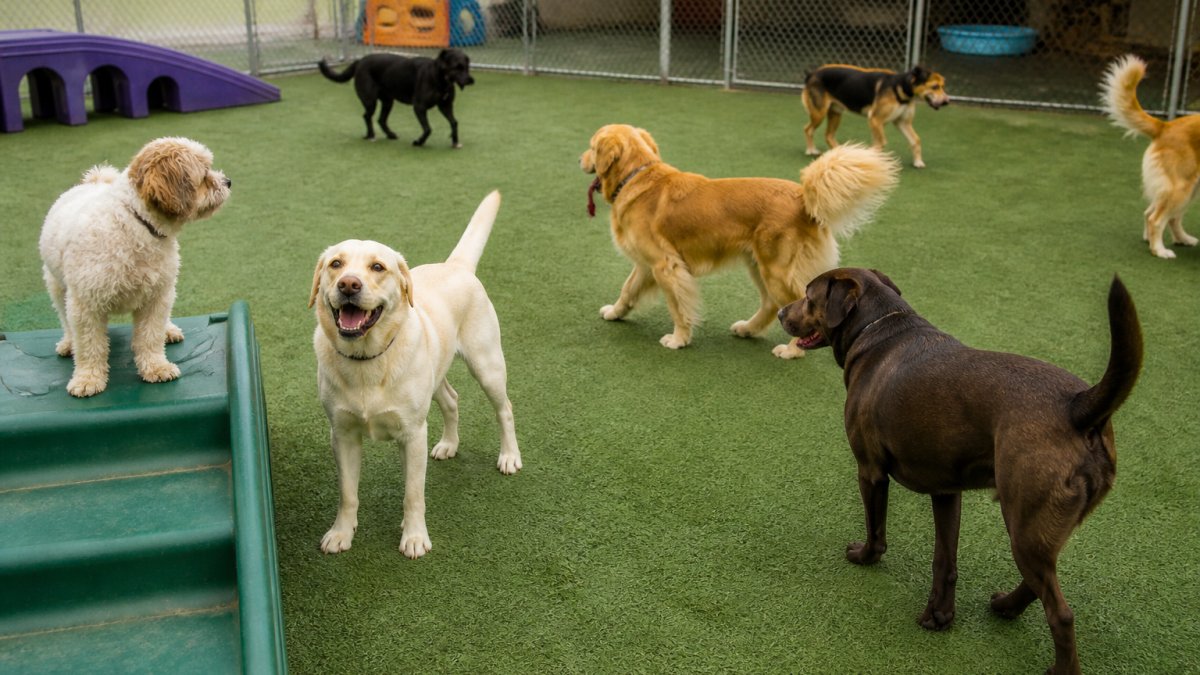
For dogs who do best away from home, a calm, cage-free salon reduces stress too. At Ruffin' It Ranch, our stress-free, cage-free grooming setup and 24/7 on-site professional staff let us give anxious dogs the quiet, patient handling they need.
| Setting | Best For | Watch For |
|---|---|---|
| Traditional salon | Social, calm dogs | Noise, other dogs, cages |
| Mobile grooming | Fearful dogs, no travel | Higher cost, booking limits |
| Cage-free salon | Anxious dogs needing space | Confirm real supervision |
When a Full Groom Isn't Possible: Alternatives for Fearful Dogs
A full groom is not always the right first goal for a fearful dog. Sometimes the best move is a smaller, easier win.
Consider these alternatives:
- A bath and brush-out only
- A nail trim as a standalone visit
- A meet-and-greet with no grooming at all
- Splitting the groom across two short visits
- Asking your vet about anxiety management support
Some dogs need veterinary support before grooming is safe. Talk to your vet if your dog panics or shows fear and aggression. A patient groomer will work with your vet, not against them.
The goal is progress, not perfection. A dog that calmly tolerates a nail trim this month may handle a full groom next season.
A fearful dog does not need a perfect groomer. It needs a patient one who reads stress signals, paces the visit, and treats your dog as an individual. That is the standard we hold ourselves to at Ruffin' It Ranch. Our cage-free grooming space, 24/7 on-site staff, and calm, climate-controlled environment are built for dogs who need extra care, including puppies and those with special needs. If your dog dreads the groomer, book your pets stay now! and let us show you what calm handling looks like.
Frequently Asked Questions
What is a Fear Free certified groomer?
A Fear Free certified groomer has completed training focused on reducing fear, anxiety, and stress during grooming. The program teaches body language reading, low-stress handling, and cooperative care techniques. Certification means the groomer has learned specific methods, not just that they are gentle by nature. You can ask to see their certificate or check the Fear Free directory. Many groomers also pursue continuing education in behavior to stay current.
How can I tell if a groomer is experienced with anxious dogs?
Ask how they handle a dog that snaps, freezes, or tries to bolt. A groomer for anxious dogs will describe specific techniques like using a towel wrap, taking breaks, or offering high-value treats. They should also ask you detailed questions about your dog's triggers and past grooming history. If they promise a perfect groom no matter what, that is a red flag. Experienced groomers set realistic expectations and may suggest a shorter session first.
What should I tell a groomer about my dog's fear or behavior?
Share what scares your dog, including specific triggers like nail clippers, dryers, or other dogs. Mention any past injuries or bad experiences at previous salons. Describe the stress signals your dog shows, such as tucked tail, lip licking, or whale eye. Also tell them what helps, like a favorite treat or a break in a quiet room. The more detail you give, the better they can prepare. Honesty prevents accidents and builds trust.
How do I find a Fear Free groomer near me?
Start with the Fear Free directory online, then cross-check local recommendations from pet owners and your veterinarian. Call candidates and ask about their handling approach, appointment structure, and whether they offer one-on-one sessions. Request a meet-and-greet before booking a full groom. Ask if they use mobile grooming or a quiet environment for shy dogs. A step-by-step search process helps you compare options and avoid a groomer who only claims to be fear free without training.