 ultimate-guide
How to Find Safe Dog Boarding: 2026 Guide
Table of Contents
- Start With a Dog Boarding Safety Checklist
- Questions to Ask a Dog Boarding Facility Before You Book
- Red Flags and Green Flags When Touring a Facility
- How to Prepare a Dog for Boarding
- Understanding Dog Boarding Cost
- Health, Vaccination, and Emergency Protocols
- Frequently Asked Questions
Last Updated: October 13, 2026
Start With a Dog Boarding Safety Checklist
Finding safe dog boarding starts with a simple principle: verify before you book, because safe dog boarding is never an accident.
The American Kennel Club's guidance on choosing a boarding kennel makes the same point: the questions you ask before booking matter more than the lobby's paint job.
Use this checklist as your starting filter:
- Staff are on-site 24/7, not just during business hours
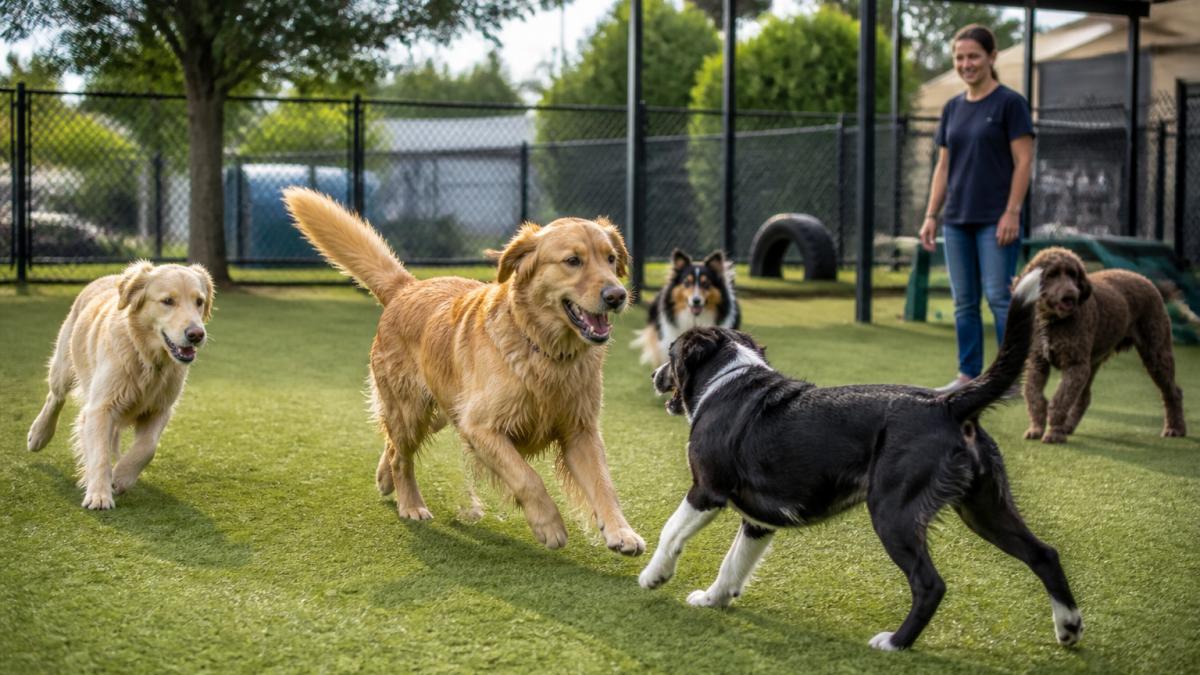
- Dogs are supervised during all play sessions
- Vaccination records are required before check-in
- The facility separates dogs by size, temperament, and play style
- You're allowed to tour the full facility, not just the front desk
- Emergency veterinary protocols are documented and explained to you
- Feeding schedules and medication administration are logged
That last point matters more than most owners realize. A facility that tracks what your dog actually ate and when is a facility that's paying attention.
Questions to Ask a Dog Boarding Facility Before You Book
The right questions separate a facility that manages dogs from one that simply houses them. Ask these before you commit, and listen for specifics rather than reassurances.

What is your staff-to-dog ratio during play? A vague answer here is a warning sign. You want a number.
Can I see updates during the stay? Photos, videos, or daily reports reduce the anxiety of leaving a pet behind.
What are your vaccination requirements? Expect rabies, distemper, and bordetella at minimum. A facility that doesn't check records is a facility that spreads illness.
Red Flags and Green Flags When Touring a Facility
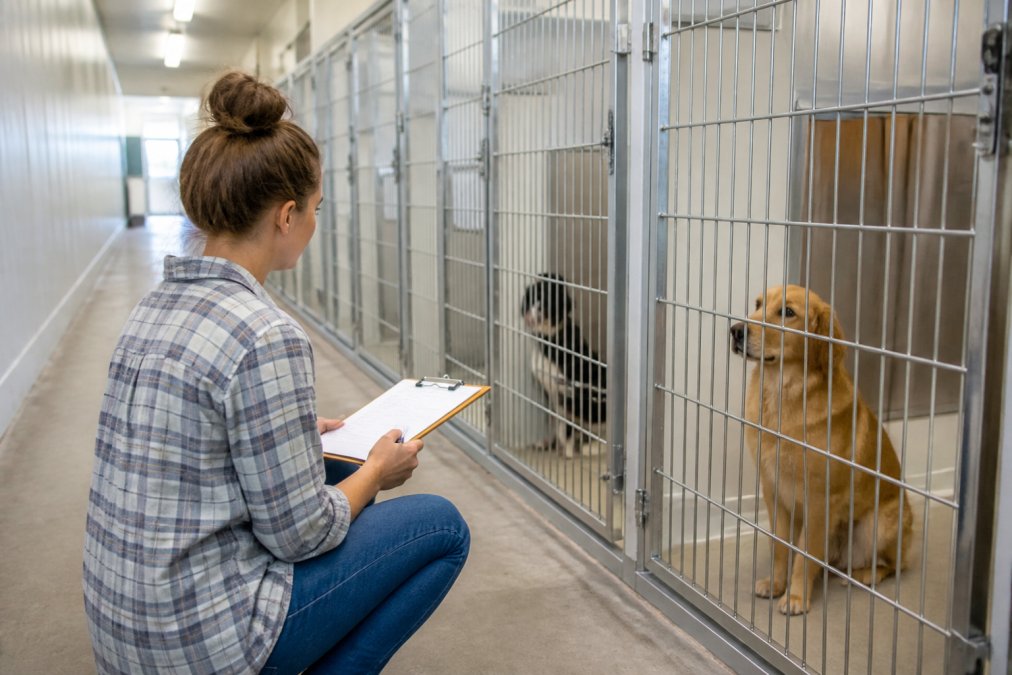
A tour is your best chance to catch problems before they affect your dog. What you smell, hear, and see in ten minutes tells you more than any brochure. But to inspect with confidence, you need to know what to look at, not just what to feel. Use the specific criteria below to turn a casual walkthrough into a genuine safety audit.
The Physical Inspection Checklist
Bring this list on your tour and check each item against what you actually observe.
Doors, gates, and containment
- Double-gated entry: an outer gate that closes before the inner gate opens, so no dog can bolt through a single open door
- Self-latching hardware on every run and play yard gate, not just a hook that a dog could nose open
- Secure fencing at least 6 feet high in outdoor areas, with no gaps at the bottom or top that a dog could squeeze or climb through
- Locked exterior doors, not just a front-desk latch
Ventilation and air quality
- Fresh air movement you can feel, even in the kennel area, stagnant air traps respiratory pathogens
- No overwhelming ammonia or urine odor. A faint cleaning-product smell is normal; a sharp, eye-stinging smell means ventilation is inadequate
- Exhaust fans or HVAC vents visible in the boarding area, not just the lobby
Sanitation and surfaces
- Floors that are sealed, non-porous, and easy to disinfect, concrete with a proper epoxy coating is common; bare, cracked concrete is not
- A visible cleaning schedule or log posted in the kennel area
- Waste picked up promptly, with no standing puddles or soiled bedding in occupied runs
- A designated disinfection area or protocol for bowls, toys, and bedding between dogs
Separation and quiet areas
- A separate isolation area for dogs showing signs of illness, physically apart from the general population, not just a run at the end of the row
- A quiet zone for dogs who need a break from group play, with visual barriers if possible
- Separate areas for small dogs and large dogs, or a clear system for rotating groups
Water and comfort
- Fresh water available at all times, including overnight, ask how it is provided in each run
- Elevated beds or cots rather than dogs lying directly on hard floors
- Climate control that keeps the boarding area comfortable in both summer and winter
Supervision and sightlines
- Staff positioned where they can see all play areas at once, or a documented rotation schedule
- No blind corners in play yards where a dog could be out of sight
- Cameras or monitoring systems, if the facility uses them, ask whether footage is reviewed or just recorded
Green Flags
- Clean floors and fresh air, even in the kennel area
- Dogs that are alert and calm rather than frantic or shut down
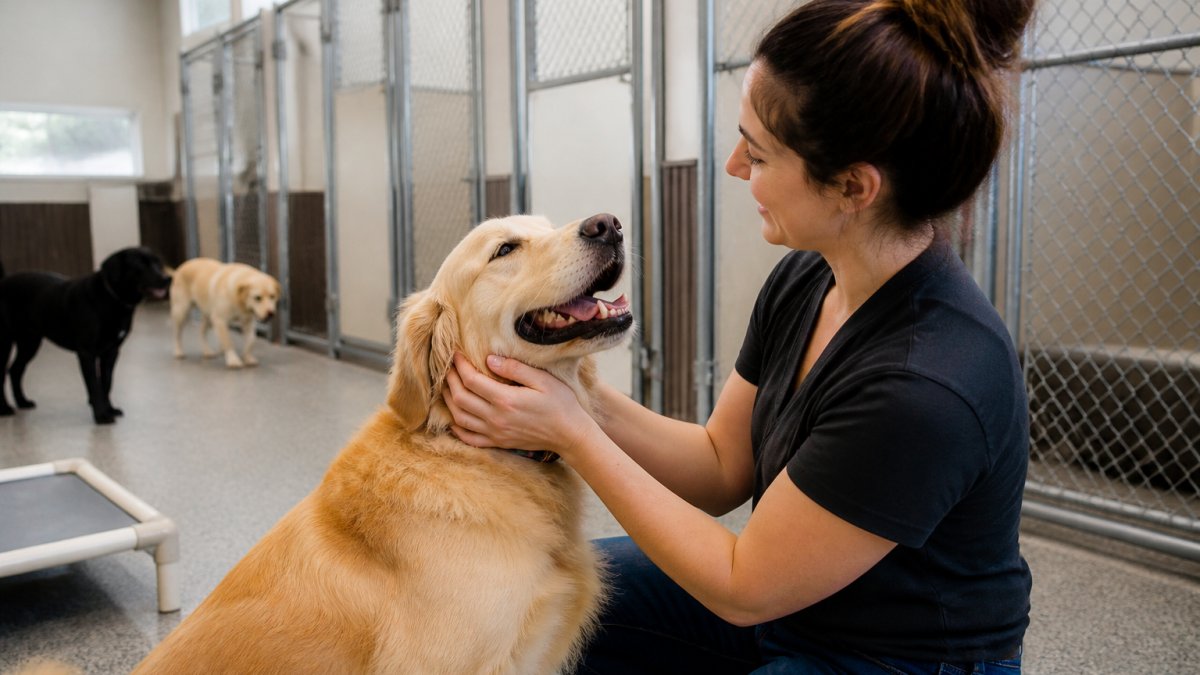
- Staff who know individual dogs by name and temperament
- Secure fencing, double gates, and locked exterior doors
- A separate area for dogs who need quiet time
- A written cleaning and disinfection protocol you can review
Red Flags
- Overwhelming odor of urine or ammonia
- Dogs left in runs with no water access
- Staff who can't answer basic questions about daily routines
- No visible supervision in play areas
- Reluctance to let you see the back of the facility
- Cracked or porous flooring that cannot be properly disinfected
- No isolation area, or an isolation area that is just a run in the main room
How to Prepare a Dog for Boarding
Preparation starts weeks before drop-off, not the night before. Dogs do best when boarding is familiar rather than sudden.
Update vaccinations early. Most facilities require records before check-in, and some vaccines need time to take effect.
Bring familiar items. A favorite blanket or toy carries your dog's scent and makes the run feel less foreign.
Keep food consistent. Sudden diet changes cause digestive upset.
Practice short separations. If your dog has separation anxiety, build up tolerance with brief absences before a multi-day stay.
Understanding Dog Boarding Cost
Boarding cost depends on the facility, your dog's needs, and the length of stay. Rather than quoting a single rate, it helps to know what drives the number up or down, and what you should expect to see on a contract before you sign.
Typical Fee Components
Most facilities structure their pricing around a base rate plus add-ons. Here is what each line item usually covers and why it varies.
| Cost Factor | What It Covers | Why It Varies |
|---|---|---|
| Base nightly rate | Standard run and daily care | Facility size, amenities, location |
| Private vs. group play | One-on-one or supervised group time | Staff time and space required |
| Medication administration | Dosing and logging | Frequency and complexity |
| Special diets | Raw, prescription, or custom feeding | Ingredient and prep costs |
| Grooming add-ons | Bath, nail trim, coat care | Dog size and coat type |
| Holiday periods | Peak-season boarding | Higher demand, limited runs |
| Extended play or walks | Additional exercise beyond standard | Staff availability and duration |
| Late pickup fees | Care beyond scheduled pickup time | Hourly or flat-rate penalties |
What to Look for in the Contract
Before you book, ask for the full written agreement, not just a verbal quote. A transparent facility will provide it without hesitation. Review these specific terms:
- Cancellation and no-show policy. How much notice is required for a refund? Is there a cancellation fee? What happens if you pick up early, do you still pay for the full stay?
- Vaccination and health requirements. Which vaccines are mandatory, and what proof is accepted? Is a recent fecal test or wellness exam required?
- Liability and injury clauses. Who is responsible if your dog is injured during play? Does the facility require you to sign a waiver, and what does it actually cover?
- Emergency veterinary authorization. Does the contract give the facility permission to seek treatment, and up to what dollar amount before they must contact you?
- Medication and special needs fees. Is there an extra charge for administering medication, and is it per dose or per day?
- Photo and update policies. Are daily updates included, or is there an upcharge for photos and videos?
Questions to Ask About Pricing
- Is the quoted rate per night or per day? A "nightly" rate that starts at drop-off and ends at pickup can effectively charge you for an extra day.
- Are there peak-season surcharges, and when do they apply?
- What is included in the base rate, play time, feeding, medication, or none of the above?
- Is there a discount for extended stays or multiple dogs?
- What forms of payment are accepted, and is a deposit required?
For current rates, check directly with the facility you're considering. Pricing varies widely by region, facility size, and level of care, so a quote from one provider will not tell you what another charges.
Health, Vaccination, and Emergency Protocols
Health protocols are the backbone of any safe boarding operation. Without them, one sick dog can move through an entire play group before anyone notices.
Vaccination records are non-negotiable at reputable facilities. The CDC's guidance on pet vaccination and disease prevention explains why boarding environments, where dogs from many households mix, carry elevated risk for respiratory and intestinal illness.
A facility should also have:
- A written intake process that checks each dog's health at drop-off
- Isolation space for dogs showing symptoms
- A relationship with a local veterinarian for non-emergency care
- A clear after-hours emergency plan with a designated clinic
- Medication logs so nothing gets missed or double-dosed
Ask who is on-site overnight. A facility with 24/7 staff can respond to a dog in distress immediately. One that locks up at 6 p.m. cannot.
Leaving your dog behind is stressful, and the right facility turns that stress into confidence.
Frequently Asked Questions
How do I know if a dog boarding facility is safe?
Ask for a tour before booking. Look for clean, climate-controlled spaces, secure fencing, and staff who supervise dogs at all times. Confirm the facility requires vaccination records, has a written emergency plan with a vet on call, and can show you staff-to-dog ratios. Ruffin' It Ranch, for example, is PPCS Certified and offers 24/7 on-site professional staff, private indoor and outdoor runs, and individualized care for puppies and dogs with special needs.
What vaccinations does a dog need before boarding?
Most facilities require current rabies, distemper, and bordetella (kennel cough) vaccinations, and some also ask for canine influenza. You will need to provide vaccination records from your vet before drop-off. Kennel cough spreads easily in group settings, so the bordetella vaccine is especially important for social dogs. Call ahead to confirm the exact requirements, since policies vary by facility and state.
How much does dog boarding usually cost?
Dog boarding cost depends on your location, the facility's amenities, your dog's size, and whether you add services like grooming, training, or a raw diet. Expect additional fees for holiday stays, medication administration, or extended play sessions. Ruffin' It Ranch does not publish rates online because pricing depends on your dog's needs and length of stay. Contact the facility directly for a current quote and a full breakdown of any extra charges.
How can I prepare my dog for their first boarding stay?
Book a trial daycare visit a few weeks before your trip so your dog gets used to the facility, staff, and routine. Bring their regular food, a familiar blanket or toy, and any medications with clear instructions. Keep drop-off calm and brief, and make sure vaccinations are up to date. Dogs with separation anxiety often do better with a gradual introduction and a facility that offers cage-free, supervised play rather than long hours in a kennel.
Should I tour a dog boarding facility before booking?
Yes, always tour before you commit. A tour lets you see cleanliness standards, play areas, sleeping quarters, and how staff interact with dogs in real time. Ask to see both indoor and outdoor spaces, and pay attention to smell, noise levels, and whether dogs have water available. A facility that hesitates to let you visit is a red flag. Reputable places welcome tours and answer questions openly.
What is caged dog syndrome and how do I avoid it?
Caged dog syndrome describes behavioral and physical problems that can develop when a dog spends too many hours confined in a small kennel with little exercise or interaction. Signs include pacing, excessive barking, and withdrawal. To avoid it, choose a facility that offers supervised play, individual attention, and cage-free or spacious run options. Ask how many hours per day your dog will spend outside a kennel before you book.