 how-to
How to Manage Dog Separation Anxiety: 2026 Training Plan
Table of Contents
- Understand What Separation Anxiety Really Looks Like
- How to Train a Dog to Be Alone: A Measurable Plan
- Gradual Desensitization for Dog Separation Anxiety
- Dog Separation Anxiety Treatment: Training, Tools, and Medication
- Realistic Timelines, Setbacks, and Relapse Prevention
- When to Call Your Vet or a Behavior Professional
- Frequently Asked Questions
Last Updated: October 8, 2026
Understand What Separation Anxiety Really Looks Like
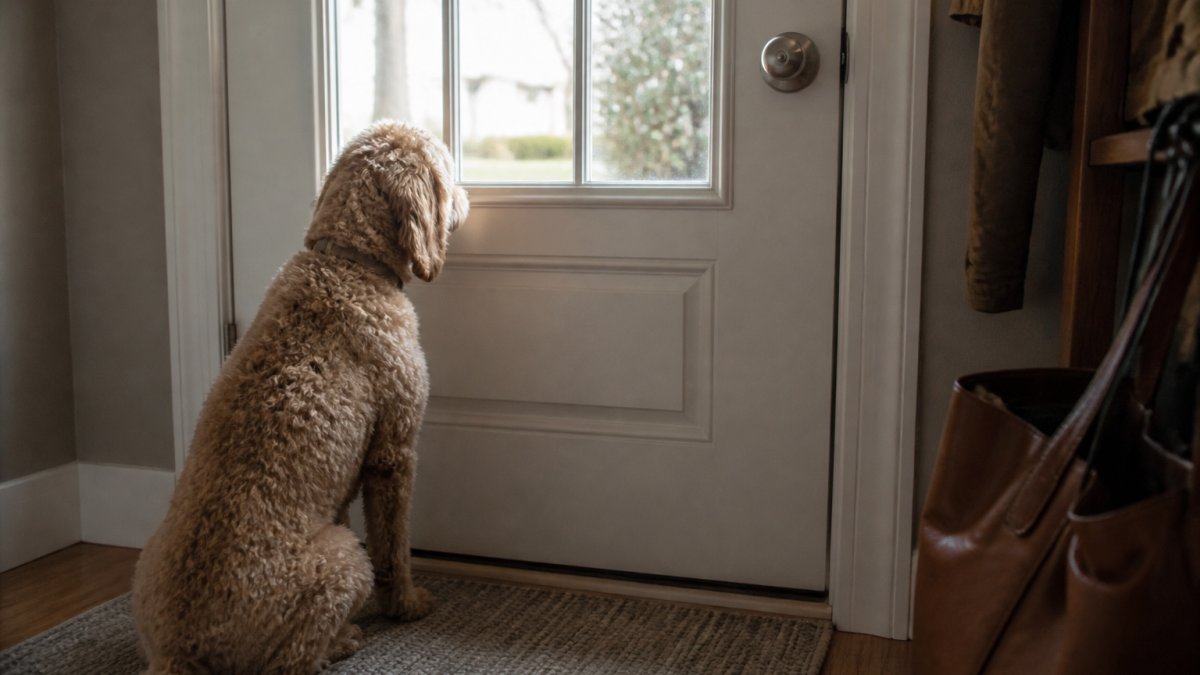
Dog separation anxiety is a panic response that happens when a dog is left alone, not simple misbehavior. The distress is real, and it usually shows up within the first 30 minutes of your departure.
The signs are hard to miss once you know them:
- Pacing, panting, or drooling shortly after you leave
- Barking, howling, or whining that neighbors can hear
- Chewing doors, window frames, or furniture
- Scratching at exits until paws bleed
This is separation-related behavior, and it looks very different from a dog who is simply bored. A bored dog chews a shoe. An anxious dog chews the door frame around the exit.
Panic vs. Boredom: Telling the Difference
Timing is the clearest clue. A bored dog settles within 20 minutes and finds something to do. A dog with alone-time distress stays upset the whole time you are gone.
Here is how the two compare:
| Signal | Separation Anxiety | Boredom |
|---|---|---|
| When it starts | Within 30 minutes of departure | Any time, often later |
| Target of chewing | Doors, exits, crates | Random objects |
| Vocalization | Howling, repeated barking | Occasional barking |
| Greeting when you return | Frantic, over-the-top | Normal, happy |
| Body language | Tense, tucked tail, wide eyes | Relaxed |
If your dog greets you like you have been gone for a year, that points to anxiety, not boredom. A veterinary assessment can rule out medical causes that mimic these signs.
How to Train a Dog to Be Alone: A Measurable Plan
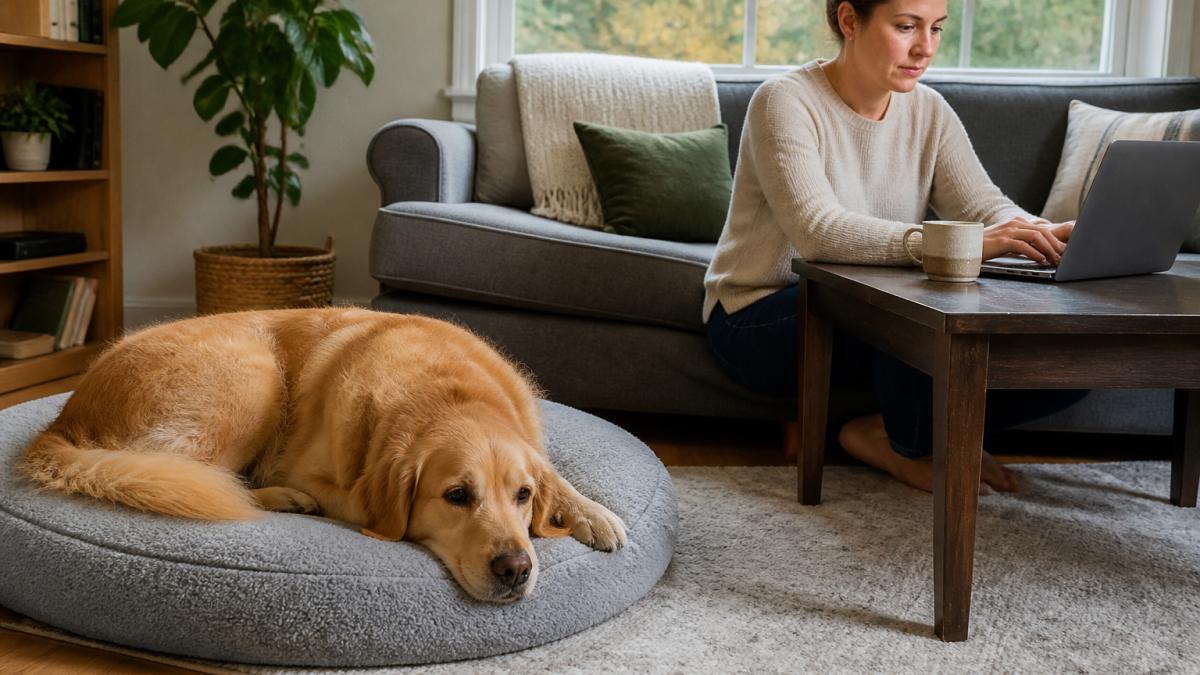
Learning how to train a dog to be alone starts with a baseline you can actually measure. Most people guess how long their dog lasts alone. Guessing is why training stalls.
Setting Your Baseline with Video Monitoring
Set up a camera before you change anything. Record your normal departure and note two numbers:
- Time to distress: how many minutes until the first sign of panic
- Recovery time: how long after you return until your dog settles
Write both numbers in a training log. This is your starting point, and every session gets compared to it. A common mistake is skipping this step and jumping straight to long absences. That usually causes a setback you cannot explain.
Gradual Desensitization for Dog Separation Anxiety
Gradual desensitization for dog separation anxiety means teaching your dog that leaving is boring and returning is no big deal. You start with absences so short they do not trigger panic, then stretch them slowly.
The process works like this:
- Pick a starting absence below your dog's distress threshold, often just seconds.
- Leave, wait, and return before any panic starts.
- Repeat until your dog stays calm every time.
- Add 5 to 10 seconds to the next session.
- Practice out-of-sight training separately from real departures.
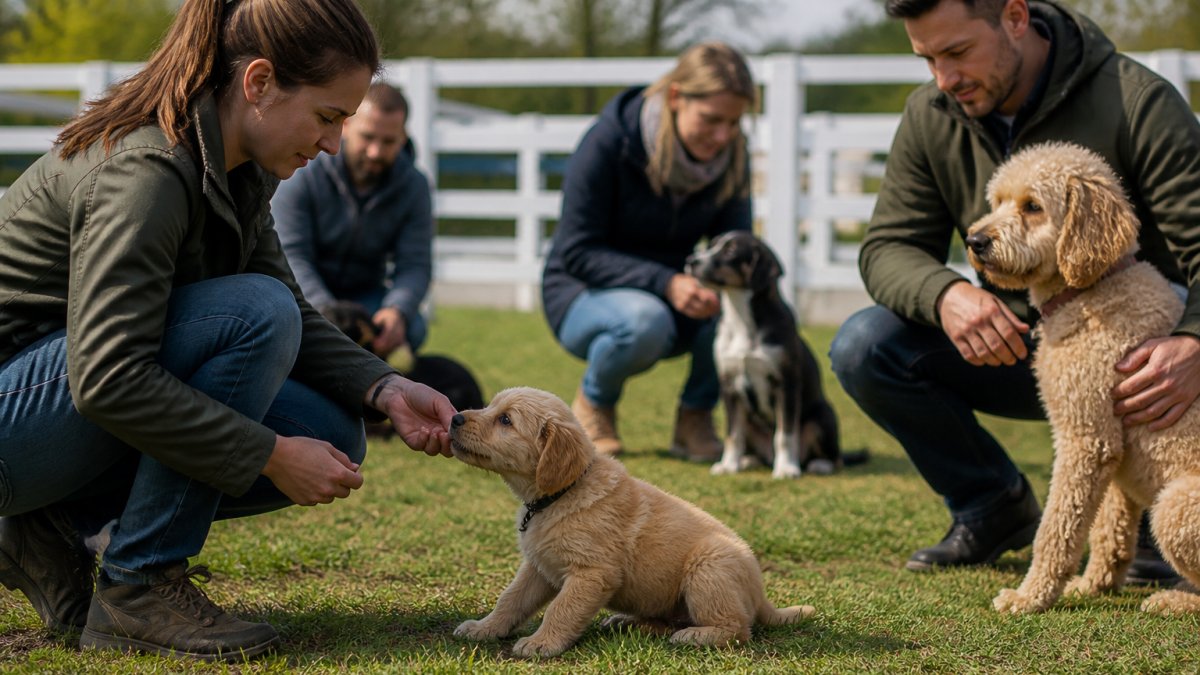
Pair each short absence with something good, like a food-stuffed toy. This is counterconditioning, and it changes how your dog feels about you walking out the door.
Dog Separation Anxiety Treatment: Training, Tools, and Medication
Treatment works best when training, tools, and medical support pull in the same direction. No single piece fixes this alone, and the order matters: training builds the skill, tools buy you time, and medication lowers the panic ceiling so training can take hold.
Tools That Earn Their Place
- Food-stuffed toys and puzzle toys for the first 20 minutes, when distress usually peaks
- Long-lasting chews to redirect nervous energy into a calming behavior
- A comfort item that smells like you, rotated so it stays novel
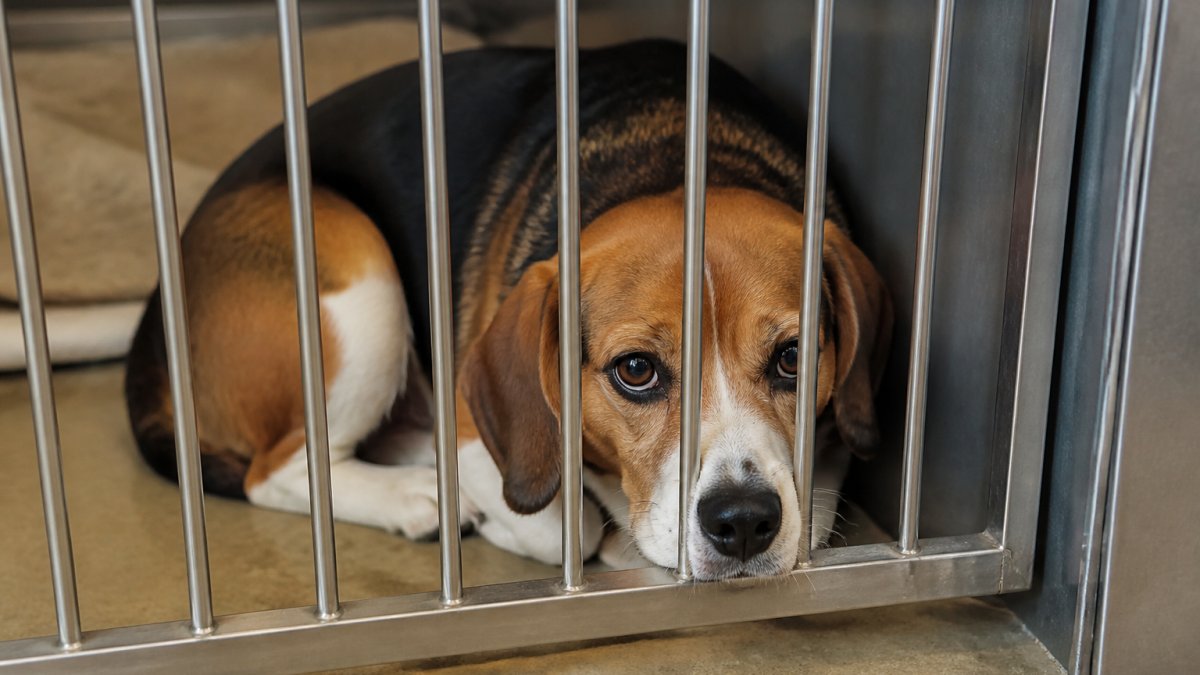
- A safe space or crate your dog already chooses on its own, never a crate the dog only sees when you leave
Departure cues matter too. Jangling keys and putting on shoes can start the panic before you leave. Practice your pre-departure routine without actually leaving, so those cues lose their power. Do this 10 to 15 times in a row on a day you are not going anywhere.
Medication Decision-Making and Monitoring
For some dogs, anti-anxiety medication such as fluoxetine or clomipramine makes training possible. These are prescription drugs, and only your vet can decide if they fit.
If medication is prescribed, expect a follow-up visit rather than a one-and-done prescription.
Medication and training are not competing options. The medication lowers the panic floor; the training teaches the dog what to do with the calmer state.
Household-Specific Implementation
The same plan looks different in every home. A few adaptations that matter:
- Multi-dog homes: Train each dog separately first. A calm second dog can help, but only after the anxious dog has practiced alone-time skills without leaning on the other dog.
- Children in the house: Kids often undo progress with loud goodbyes and excited reunions. Give them a simple rule, quiet exits, quiet returns, no chasing the dog to the door.
- Shift work and irregular schedules: Predictability beats perfection. Keep departure cues identical even when the time changes, and use a camera to confirm the dog is settling on the new schedule.
- Unavoidable absences: Work, medical appointments, and emergencies happen. Have a backup plan, a sitter, a friend, or structured daytime care, so the dog is not left alone past its current threshold while training is in progress.
Keep your exits and returns low-key. Calm departures and quiet reunions teach your dog that coming and going is nothing to fear. A training log helps you spot patterns and catch small regressions before they grow.
Realistic Timelines, Setbacks, and Relapse Prevention
Expect weeks, not days. Mild cases often improve in a few weeks of daily practice. Severe cases can take several months of steady work.
Setbacks are normal. A thunderstorm, a move, or a schedule change can reset progress.
Keep your exits and returns low-key. Calm departures and quiet reunions teach your dog that coming and going is nothing to fear.
When to Call Your Vet or a Behavior Professional
Call your vet first if your dog hurts itself, stops eating while alone, or shows no progress after several weeks. Some medical conditions cause signs that look like separation anxiety, and a veterinary assessment rules those out.
Differential Diagnosis: What Else Looks Like Separation Anxiety
Separation distress is not the only explanation for the behaviors owners see on camera. A few conditions mimic it closely, and getting the label wrong sends training in the wrong direction:
- Noise fears and thunderstorm phobia: A dog who panics during a storm may look identical to a dog with separation anxiety, but the trigger is sound, not absence. Check whether distress lines up with weather, garbage trucks, or neighborhood events.
- House-training problems: A dog who soils only when alone may have a medical issue, a substrate preference, or incomplete house training, not panic. Timing and body language during the episode tell the difference.
- Pain and discomfort: Dental pain, arthritis, or gastrointestinal upset can cause pacing, panting, and restlessness that owners read as anxiety. A dog who is also restless at night or reluctant to jump may be hurting, not anxious.
- Cognitive changes in older dogs: Senior dogs can develop disorientation, altered sleep cycles, and vocalization that look like separation anxiety but reflect cognitive dysfunction. This is a veterinary conversation, not a training one.
A common pattern practitioners describe: the dog is fine when left in the yard but panics in the crate, or the dog is fine on calm days but not during storms. Those patterns point away from classic separation anxiety and toward a different plan.
Medical Red Flags That Need Urgent Care
Some signs should not wait for a training appointment. Contact a veterinarian promptly if your dog:
- Injures paws, mouth, or teeth trying to escape
- Stops eating or drinking while alone
- Vomits, has diarrhea, or drools excessively during episodes
- Collapses, seizures, or shows sudden behavior change
- Shows self-injury such as chewing at paws or flanks
Sudden onset in an adult dog is a particularly important signal. It can point to pain, endocrine disease, or a neurological issue, and it deserves a veterinary workup before any training plan is built.
When to Bring In a Behavior Professional
Ask for a referral to a behavior professional if:
- Your dog injures paws or mouth trying to escape
- Training causes more panic, not less
- You feel unsafe or overwhelmed managing it alone
- Progress stalls for more than a few weeks despite consistent daily work
A certified behavior consultant can build a plan for your specific dog. Look for credentials such as a board-certified veterinary behaviorist (DACVB) for complex or medication-involved cases, or a certified applied animal behaviorist for training-focused plans. Medication decisions should always run through your vet, with follow-up monitoring to check how it is working.
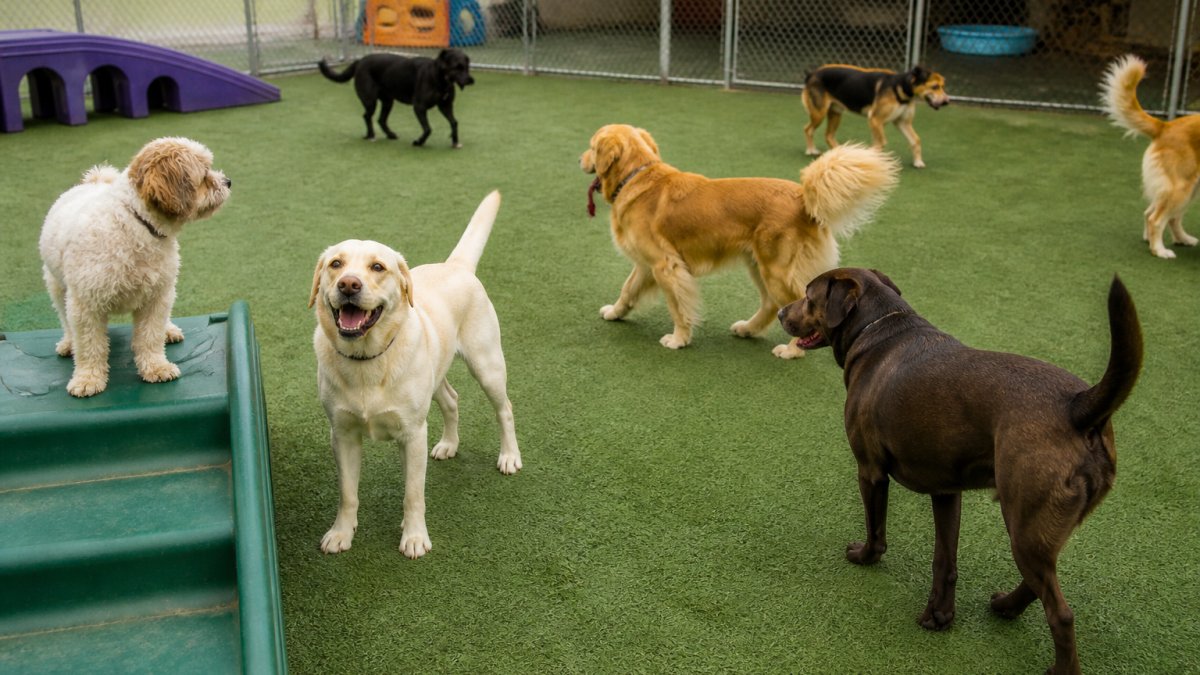
For dogs who cannot be left safely yet, structured daytime care gives them company and keeps them calm while you work on training. At Ruffin' It Ranch, our 24/7 on-site staff, climate-controlled facility, and private indoor and outdoor runs mean anxious dogs are never left alone. We also handle puppies and dogs with special needs.
Frequently Asked Questions
What is the 3-3-3 rule for dogs with anxiety?
The 3-3-3 rule is a common guideline for newly adopted dogs: three days to decompress, three weeks to settle into a routine, and three months to feel fully at home. For dogs with separation anxiety, this timeline can stretch longer, but it gives you a realistic mental map. During the first three days, keep things quiet and low-pressure. By three weeks, start short absences and observe your dog's body language. At three months, most dogs show whether they need a more structured desensitization plan or professional help.
How long does it take to manage separation anxiety in dogs?
Timelines vary widely. Mild cases may improve in four to eight weeks with consistent daily training. Moderate to severe cases often take three to six months, and some dogs need ongoing management. The key is to track your dog's time to distress and recovery time in a training log. If you see no improvement after four weeks of daily work, or if your dog injures themselves during absences, talk to your veterinarian about dog separation anxiety treatment options, including medication.
Is it cruel to leave a dog with separation anxiety alone?
It is not cruel if you are actively working on a training plan and managing absences responsibly. What is cruel is leaving a panicking dog alone for hours without support. Use daycare, a trusted dog sitter, or a boarding facility with 24/7 staff to prevent rehearsing panic while you build alone-time skills. The goal is to set your dog up for success, not to force them through distress. Pair short absences with enrichment like a food-stuffed toy, and never punish anxiety behaviors.
When should I talk to a veterinarian about my dog's separation anxiety?
Talk to your vet if your dog shows distress signals like drooling, panting, pacing, or escape attempts within minutes of your departure, or if they injure themselves trying to get out. Also seek help if four to six weeks of consistent gradual desensitization for dog separation anxiety has not reduced symptoms. A veterinarian can rule out medical issues, assess whether anti-anxiety medication like fluoxetine or clomipramine is appropriate, and refer you to a certified behavior professional for a full behavior modification plan.
Dog separation anxiety is one of the hardest problems to solve alone, and it is not a failure on your part. If your dog cannot yet stay home safely, Ruffin' It Ranch offers supervised boarding and daycare with individualized care, private runs, and staff on site around the clock. Our team is equipped for anxious dogs, puppies, and special-needs pets who need extra patience. Book your pet's stay now and give your dog a calm, safe place while you build their confidence at home.