 listicle
What Are the Signs of a High-Quality Dog Boarding Kennel?
Last Updated: October 25, 2026
Quick Summary
A high-quality dog boarding kennel maintains cleanliness with multiple daily cleanings, provides private sleeping areas and adequate space, employs trained staff with proper supervision ratios, offers multiple play sessions daily, and enforces strict vaccination and health screening protocols. These standards ensure your dog receives safe, comfortable, and attentive care during boarding.
- Kennels should be cleaned multiple times daily with proper ventilation and climate control to prevent odor and disease.
- Staff-to-dog ratio should be approximately one staff member per 10-15 dogs during active hours, with on-site overnight coverage.
- Quality facilities require current vaccinations including rabies, DHPP, and bordetella before boarding.
- Dogs should receive at least two to three hours of exercise or enrichment daily through supervised play sessions.
- Private sleeping areas with comfortable bedding and outdoor access with secure fencing are essential for dog comfort and safety.
Table of Contents
- Cleanliness, Odor, and Facility Maintenance
- Kennel Layout, Sleeping Areas, and Private Space
- Staff Attentiveness and How Dogs Are Treated
- Supervision, Staffing Levels, and Emergency Coverage
- Exercise, Playtime, and Daily Routines
- Health Screening, Vaccination Requirements, and Illness Prevention
- Questions to Ask a Dog Boarding Facility
- Dog Boarding Facility Tour Checklist
- Frequently Asked Questions
Cleanliness, Odor, and Facility Maintenance
Walk into a high-quality dog boarding kennel and the first thing you'll notice is the smell, or rather, the absence of it. A fresh, clean environment is the foundation of quality care.
When you visit a facility, pay attention to the floors, walls, and common areas. Clean floors should be easy to spot, they're swept and mopped regularly, not sticky or stained. Watch for visible waste or soiled bedding.
Ventilation matters just as much as cleaning frequency. Poor air circulation traps odors and increases disease transmission. Look for windows, fans, or an HVAC system that keeps air fresh. The facility shouldn't feel stuffy or humid.
Check the bedding and sleeping areas. Is it clean, dry, and replaced regularly? Soiled bedding breeds bacteria and parasites (Microbial Contamination of Bedding Material: One Health in Poultry Production). Fresh water should be visible in every kennel or area where dogs spend time.
Red flags: strong ammonia or fecal odors, visible dirt or debris, wet or moldy bedding, or staff who seem dismissive when you ask about cleaning protocols. These are signs that sanitation isn't a priority.
Kennel Layout, Sleeping Areas, and Private Space
The physical design of a boarding facility directly affects how comfortable and secure your dog feels. Quality kennels provide adequate space, proper ventilation, and options for privacy or socialization depending on your dog's needs.
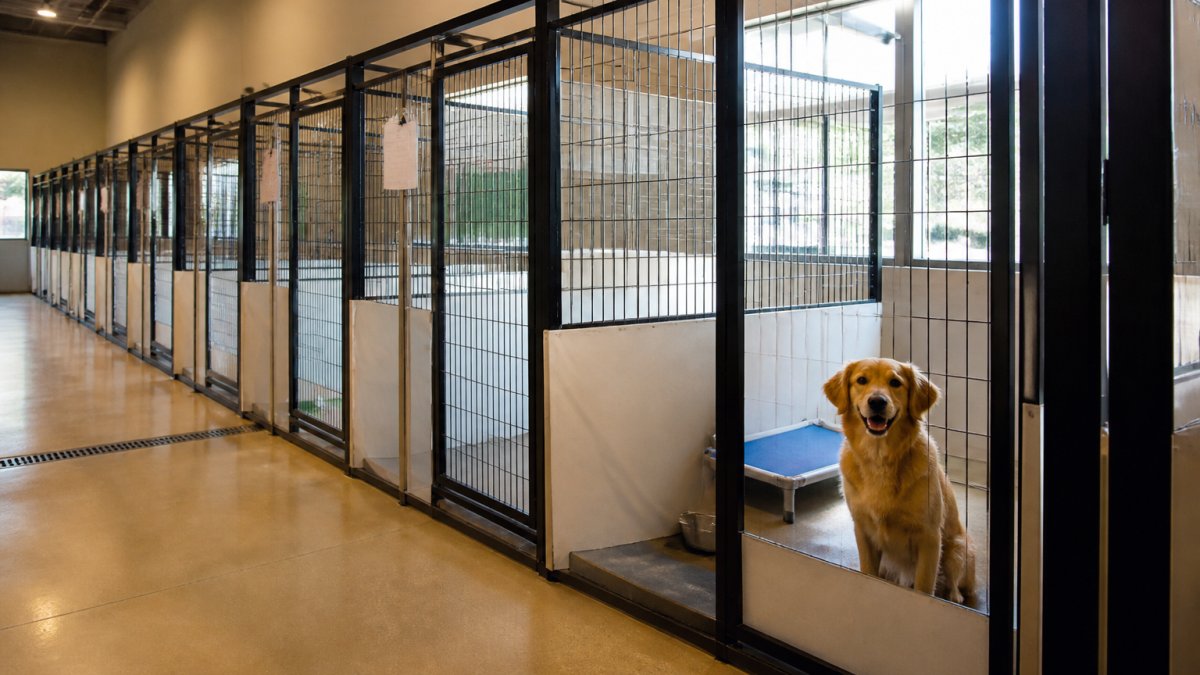
A high-quality dog boarding kennel should offer private sleeping areas where dogs can retreat and rest undisturbed. This matters especially for anxious dogs or those with separation anxiety. Private spaces reduce stress and give dogs a sense of security.
Sleeping areas should have comfortable bedding, blankets, mats, or raised beds that keep dogs off cold concrete. Concrete floors are standard, but quality facilities ensure they're clean and have drainage systems to manage moisture.
Outdoor space is equally important. Quality facilities offer outdoor runs where dogs can move freely, get fresh air, and relieve themselves. Look for secure fencing with no gaps or escape routes.
Ask about separation options. Can aggressive or anxious dogs be kept separate from the general population? Do they offer private play sessions for dogs that don't do well in groups? Flexibility here signals that the facility understands individual dog needs.
Staff Attentiveness and How Dogs Are Treated
The quality of staff care is the single most important factor in any boarding experience.
Observe how staff interact with dogs during your visit. Learn what stress signs to watch for in boarding dogs to help you assess whether staff are treating dogs well. Do they speak to dogs calmly?
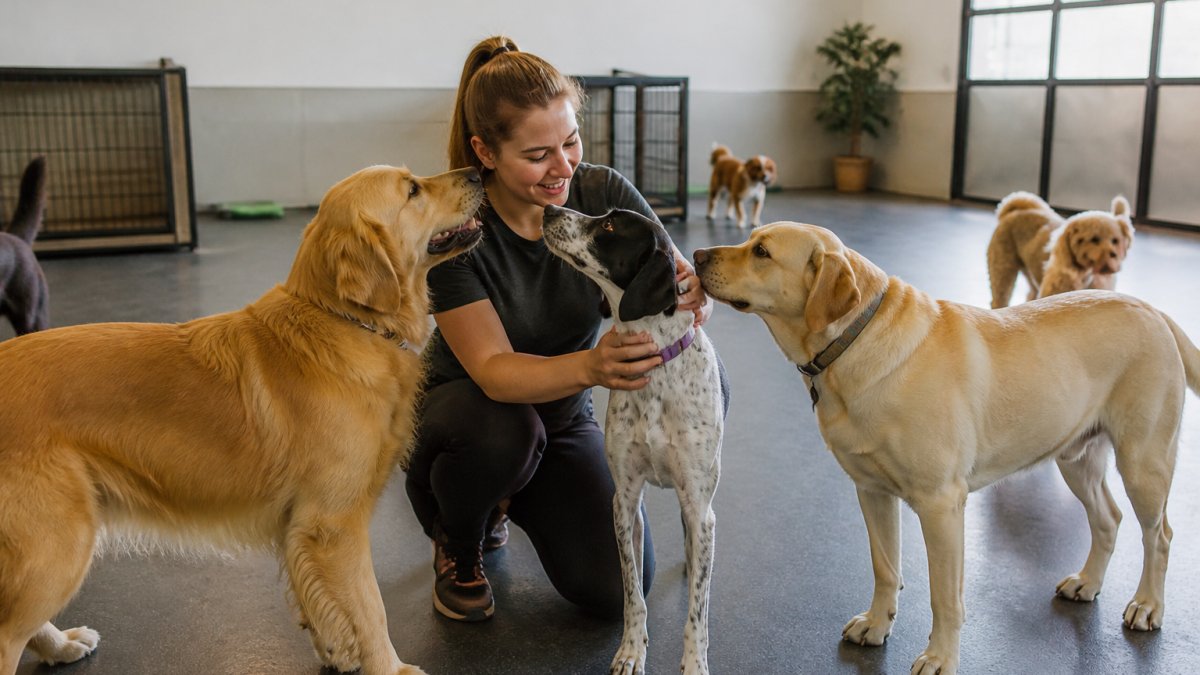
Ask specific questions: "How do you handle a dog that's anxious or scared?" A good answer involves patience, positive reinforcement, and time to acclimate. Poor answers sound rushed or dismissive.
Red flags include staff who seem annoyed by questions, won't let you observe areas where dogs spend time, or can't articulate how they handle behavioral issues.
Quality facilities invest in staff training. Ask about certifications, experience, and whether staff receive ongoing education about dog behavior and health.
Supervision, Staffing Levels, and Emergency Coverage
A high-quality dog boarding kennel maintains adequate staffing so dogs are never left unsupervised for extended periods. This is critical for safety, socialization, and early detection of health problems.
Ask about the staff-to-dog ratio. There's no universal standard, but a reasonable guideline is one staff member per 10-15 dogs during active hours, with fewer dogs per staff member during play sessions. For overnight supervision, ask whether staff are present on-site or available by phone.
Overnight coverage is essential. Dogs can get injured, become ill, or have behavioral crises at night. Facilities that leave dogs unattended overnight are taking unnecessary risks.
Ask about emergency procedures. What happens if a dog gets injured or becomes ill? Is there a veterinarian on call? Can they transport a dog to an emergency vet if needed? Quality facilities have written emergency protocols and staff trained in basic first aid.
Staffing stability matters too. High turnover means inconsistent care and less familiarity with individual dogs. Ask how long staff typically stay with the facility. Long-term staff develop relationships with regular dogs and understand their personalities and needs.
Exercise, Playtime, and Daily Routines
Dogs need physical activity and mental stimulation during boarding. A high-quality dog boarding kennel provides structured exercise and playtime that matches your dog's age, energy level, and temperament.
Ask about daily schedules. Quality facilities offer multiple play sessions throughout the day, typically at least two to three hours of exercise or enrichment daily. Learn more about the benefits of supervised dog play to understand why this matters for your dog's wellbeing.
Group play requires careful management. Not all dogs do well in groups. Quality facilities assess each dog's temperament and compatibility before mixing them. They supervise group play closely and separate dogs that show signs of stress or conflict.
For dogs with special needs, ask about individualized routines. Can they accommodate dogs that need quiet time, have anxiety, or require medication? Quality facilities adapt their schedules and play options to each dog's needs.
Mental enrichment matters as much as physical exercise. Ask whether the facility offers toys, puzzle feeders, or other enrichment activities. Dogs that are bored become anxious and destructive. Quality facilities provide environmental stimulation beyond just play.
Feeding schedules should align with your dog's routine. Ask whether they maintain your dog's regular feeding schedule and accommodate special diets.
Health Screening, Vaccination Requirements, and Illness Prevention
A high-quality dog boarding kennel has strict health protocols to prevent disease transmission. This protects all dogs in the facility and gives you confidence that your dog won't return home sick.
Before boarding, quality facilities require proof of current vaccinations, typically rabies, DHPP (distemper, hepatitis, parvovirus, parainfluenza), and bordetella (kennel cough). Ask what vaccinations they require and when they need to be current.
Ask about health screening on arrival. Do they check for signs of illness, discharge from eyes or nose, coughing, diarrhea, or lethargy? Quality facilities perform a brief health check and ask about recent illnesses or medications.
Illness prevention protocols are critical. Find guidance on locating safe dog boarding facilities with strong health and safety standards. Ask how they handle sick dogs. Are they separated from healthy dogs immediately?
Ask about their policy on contagious conditions. Kennel cough, parasites, and skin infections spread quickly in group settings.
Medication administration is another health consideration. If your dog needs medication during boarding, ask how the facility handles it. Do they have experience administering medications? Will they give medications on schedule?
Questions to Ask a Dog Boarding Facility
Before booking, ask these questions to assess whether a facility meets quality standards.
About cleanliness and maintenance:
- How often are kennels and common areas cleaned?
- What cleaning products do you use?
- How do you manage odor control?
- Is the facility climate-controlled?
About staff and supervision:
- What is your staff-to-dog ratio?
- Are staff on-site overnight?
- What training or certifications do staff have?
- How do you handle dogs with behavioral issues?
About exercise and enrichment:
- How much playtime does each dog get daily?
- How do you decide which dogs play together?
- Do you offer individual play sessions?
- What enrichment activities are available?
About health and safety:
- What vaccinations do you require?
- Do you perform health checks on arrival?
- How do you handle sick dogs?
- Do you have a veterinarian on call?
- What's your emergency protocol?
About communication and policies:
- Can you provide updates during my dog's stay?
- Do you have a cancellation policy?
- What happens if my dog gets injured or ill?
- Can you accommodate my dog's special needs?
About your specific dog:
- Have you cared for dogs like mine before?
- Can you handle my dog's dietary needs?
- Do you have experience with separation anxiety?
- Can my dog have private play sessions if needed?
Dog Boarding Facility Tour Checklist
Use this checklist during your facility visit to systematically assess quality across all key areas. Score each item on a scale of 1-5, with 5 being excellent and 1 being poor. A score of 4 or higher across most categories indicates a quality facility.
| Assessment Area | What to Look For | Score (1-5) |
|---|---|---|
| Cleanliness & Odor | Fresh-smelling, clean floors, no visible waste, well-maintained bedding | |
| Facility Maintenance | Good ventilation, climate control, proper lighting, secure fencing | |
| Kennel Design | Adequate space, private sleeping areas, comfortable bedding, outdoor access | |
| Staff Interaction | Calm, gentle handling; staff engaged with dogs; positive communication | |
| Staffing Levels | Adequate coverage during day and night; experienced, trained staff | |
| Exercise & Enrichment | Multiple play sessions daily, enrichment activities, individualized routines | |
| Health Protocols | Vaccination verification, health screening, sick dog separation, emergency plans | |
| Facility Policies | Clear communication, transparency about procedures, responsive to questions | |
| Total Score | Add all scores and divide by 8 for average |
A facility scoring 4.0 or higher on average meets quality standards. Scores below 3.5 warrant caution. Pay special attention to any category scoring below 3, that's an area of concern.
During your tour, observe dogs in the facility. Do they appear calm, engaged, and comfortable? Are they playing appropriately or showing signs of stress? Stressed dogs may pace, hide, or show excessive vocalization. Comfortable dogs rest, play gently, and interact with staff and other dogs.
Ask to see different areas, kennels, play areas, outdoor space, and any grooming or medical areas. Quality facilities welcome tours and don't restrict access. If staff seem reluctant to show you around, that's a red flag.
Finding the right boarding facility comes down to observation, asking the right questions, and trusting your instincts. At Ruffin' It Ranch, we understand that boarding your dog requires trust, our 24/7 professional staff, climate-controlled environment, and individualized care approach ensure your dog receives the attention and safety they deserve. Book your pet's stay now and experience the difference quality boarding makes.
Frequently Asked Questions
What should I look for in a high-quality dog boarding kennel?
A high-quality dog boarding kennel shows cleanliness throughout all areas, maintains fresh-smelling facilities with proper waste disposal, and has trained staff present 24/7. Look for adequate space with private sleeping areas, clean bedding, fresh water available, and a clear feeding schedule that respects your dog's dietary needs. The facility should require current vaccinations, conduct health screening before arrival, and separate sick dogs from healthy ones. Ask about staff-to-dog ratios, exercise schedules, and how they handle emergencies or behavioral issues.
How can I tell if a dog boarding facility is safe?
Safety indicators include secure fencing, controlled access points, and emergency procedures clearly documented. Ask about staff qualifications and how they handle dogs with different temperaments. Observe whether the facility has adequate supervision during group play and whether dogs are matched by size and temperament. Ask what happens if a dog shows stress signals like lethargy, clingy behavior, or loss of appetite. Request references from other pet owners and ask about incident communication policies, a trustworthy facility will contact you immediately if any issue arises.
What questions should I ask before boarding my dog?
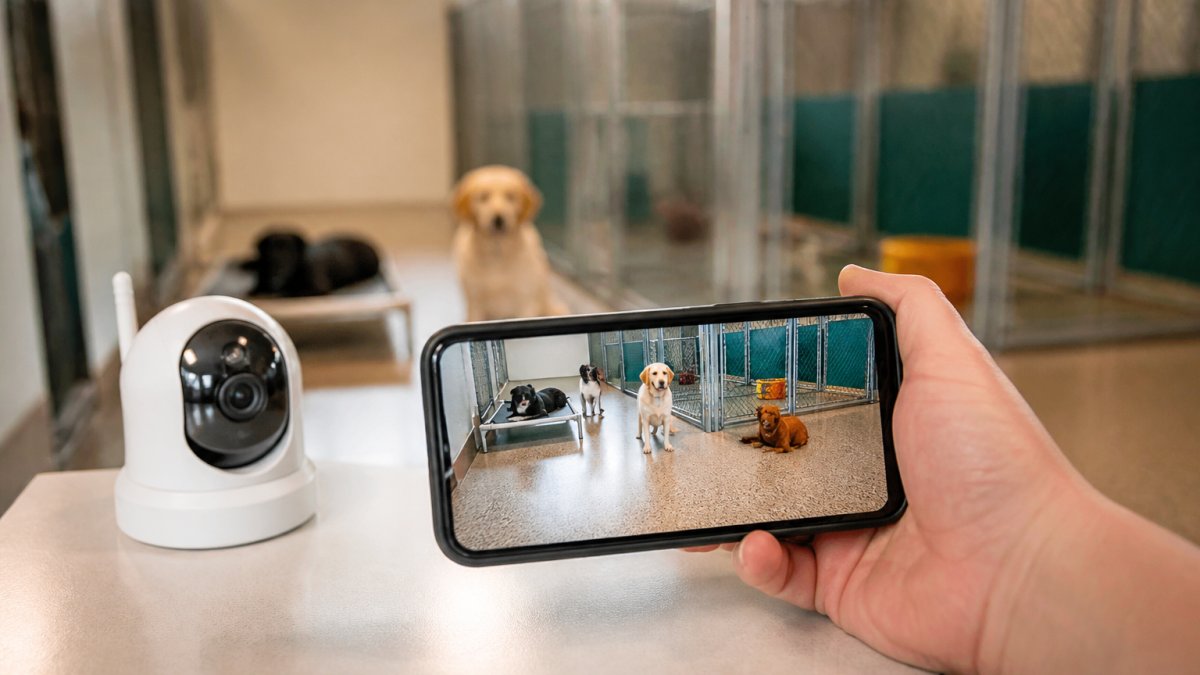
Ask about staff-to-dog ratios, staff qualifications, and whether staff are trained in dog handling and first aid. Inquire about the facility's policies on group play versus individual attention, how they assess temperament before grouping dogs, and whether they offer private play options. Ask about their vaccination and health screening requirements, how they handle medication administration, and what specialized care they provide for puppies or dogs with behavioral issues. Request information about daily routines, exercise schedules, feeding times, and whether they offer updates or video monitoring. Clarify their emergency procedures and veterinary care access.
How much does dog boarding typically cost?
Dog boarding costs vary widely based on location, facility type, and services offered. Factors affecting price include your dog's size, dietary needs, medication administration, behavioral requirements, and whether you need early drop-off or late pickup. Contact Ruffin' It Ranch directly for current pricing and package options tailored to your pet's needs.