 how-to
Dog Sick While Boarding? What Happens Next
Last Updated: October 23, 2026
Quick Summary
In a dog boarding sick scenario, kennel staff should spot the signs, isolate your dog, contact you and your emergency contact, and reach a veterinarian fast. A good kennel logs symptoms, calls its on-call vet, and transports your dog with a written symptom log and your signed consent to treat.
- Staff watch for vomiting, diarrhea, lethargy, coughing, or going off food.
- A dog with trouble breathing, collapse, or seizures needs care right away.
- Ask the kennel for its overnight check interval, often every 2-4 hours.
- Kennel cough typically shows up 3-10 days after exposure.
- List a backup contact who lives close to the kennel on your form.
Table of Contents
- What Happens If My Dog Gets Sick While Boarding: The First 24 Hours
- Dog Boarding Emergency Procedures: From Symptom to Vet
- The Boarding Kennel Veterinary Care Policy: What You Agree To
- Your Dog Boarding Emergency Contact Form: What to Include
- Dog Sick After Boarding: When It's Stress and When It's Serious
- Emergency vs. Urgent Care: Choosing the Right Vet Visit
- What to Expect During an Emergency Vet Visit
- Reduce the Risk: Questions to Ask Before You Board
- Frequently Asked Questions
What Happens If My Dog Gets Sick While Boarding: The First 24 Hours
If you're worried about dog boarding sick scenarios, the kennel staff should spot the signs, isolate your dog, contact you and your emergency contact, and reach a veterinarian fast.
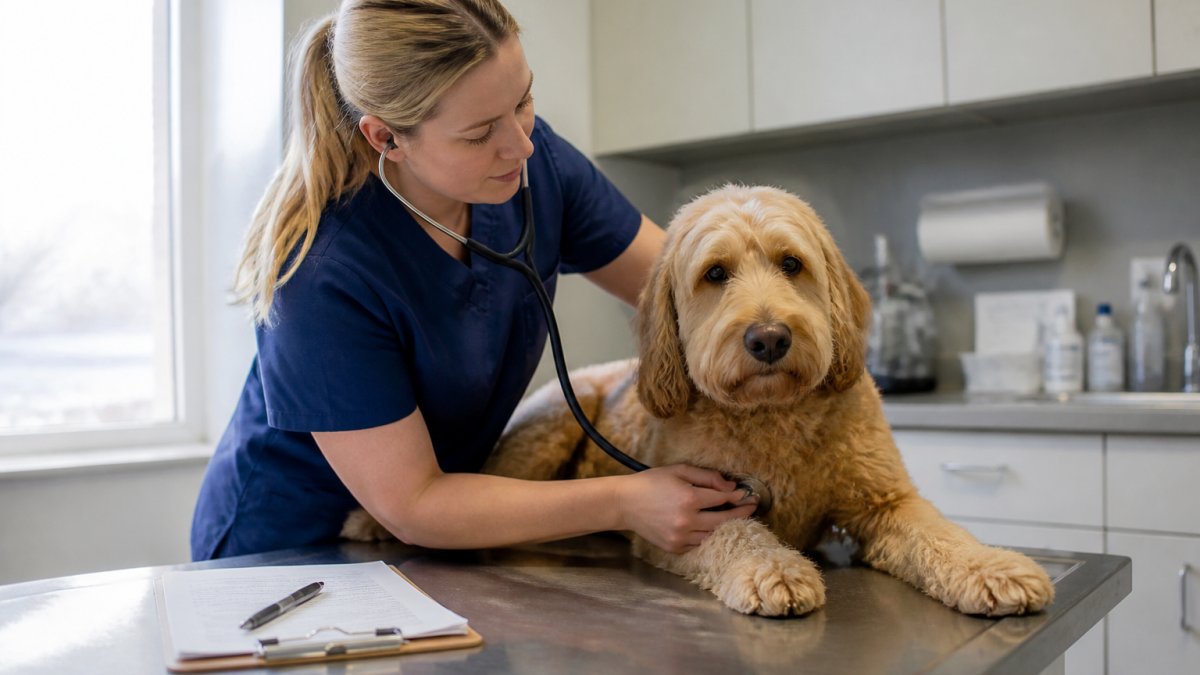
Here is what a good kennel does in the first day:
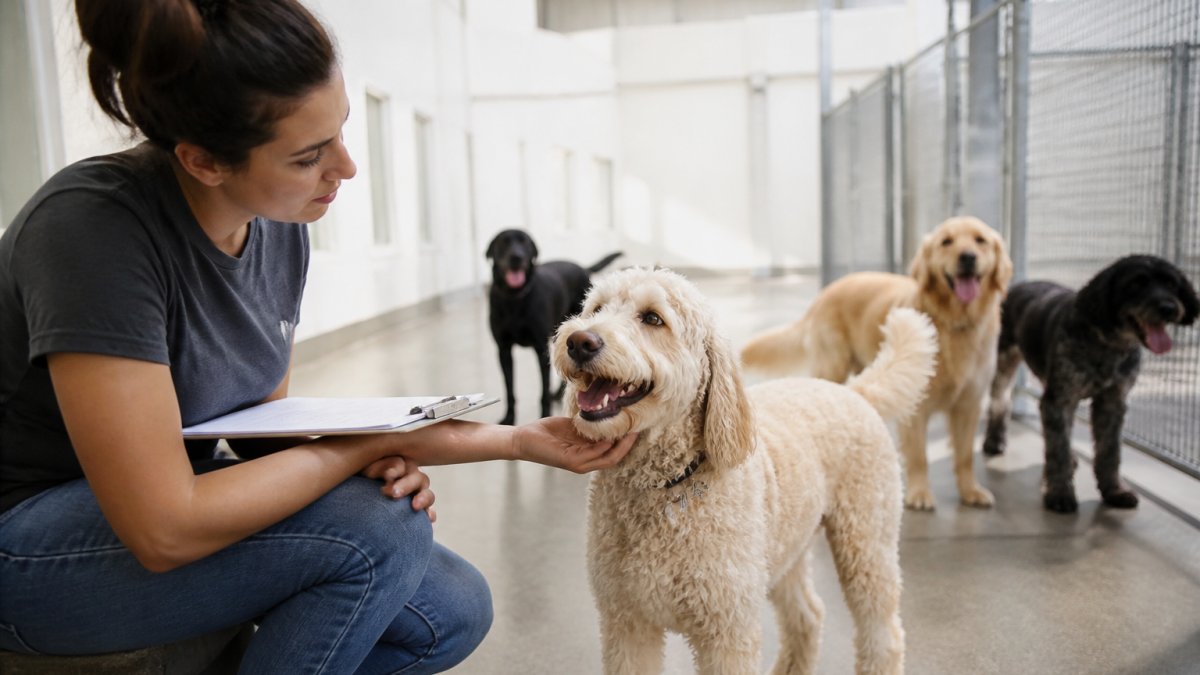
- Notice the signs. Staff watch for vomiting, diarrhea, lethargy, coughing, or going off food.
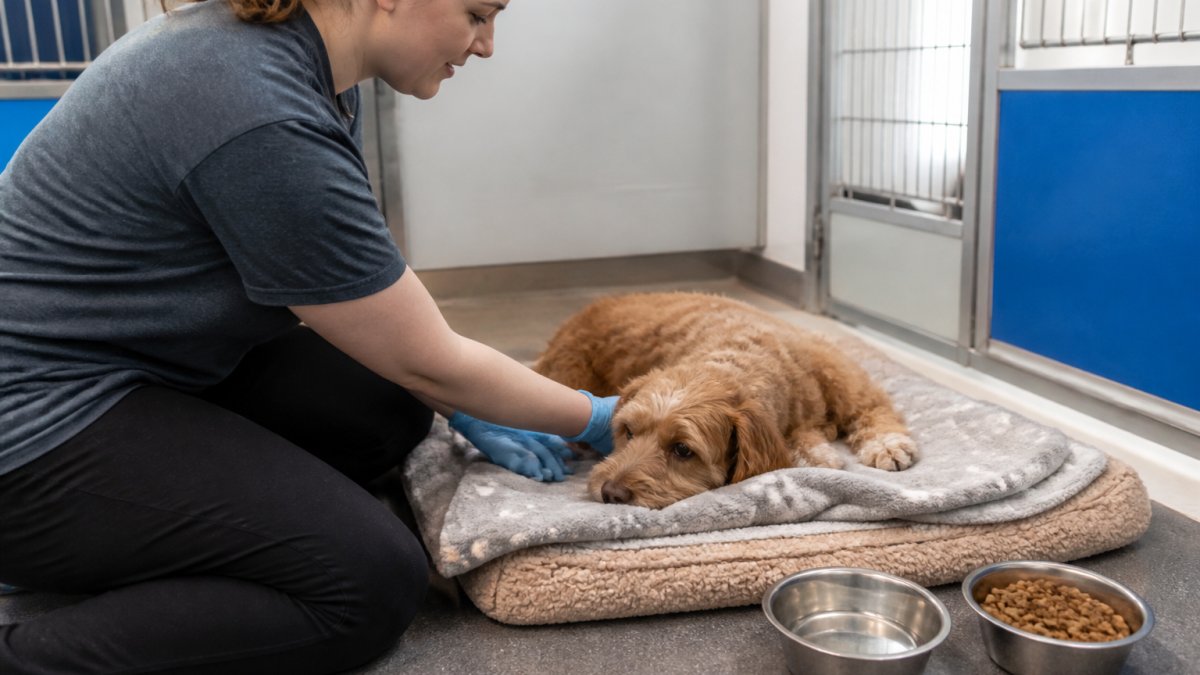
- Separate your dog. A sick dog moves to a quiet, private area away from other pets.
- Call you. You get a heads-up and a rundown of symptoms.
- Call the vet. A veterinarian decides whether your dog needs to be seen.
- Start a log. Times, symptoms, food and water intake, and behavior all get written down.
The first day matters most. For a closer look at how you can keep an eye on your own dog during a stay, see our guide on how to monitor your dog while boarding.
Dog Boarding Emergency Procedures: From Symptom to Vet
Step 3, Call the kennel's on-call veterinarian. The vet decides whether the dog can be seen same-day, needs urgent care, or needs an emergency hospital.
Step 4, Transport. A staff member drives the dog, or the kennel calls a pet ambulance if one serves the area.
Step 5, Document and update. Every observation, call, and treatment gets timestamped. You get an update after the vet exam, not just at pickup.
A symptom-based decision tree
Use this to understand what the kennel is likely doing, and to push back if the response does not match the symptom.
| What you observe | Typical kennel response | Timeframe |
|---|---|---|
| One soft stool, normal energy, eating | Monitor, log, withhold treats | Recheck in 4-6 hours |
| Vomiting once or twice, still drinking | Call owner, call vet for advice, monitor | Same-day vet visit if it repeats |
| Repeated vomiting, bloody diarrhea, not drinking | Call owner and vet, transport to urgent care | Within a few hours |
| Trouble breathing, collapse, seizure, bloated abdomen | Emergency transport, owner notified en route | Immediately |
| Limping, small cut, mild cough | Clean, monitor, schedule same-day or next-day vet | Within 24 hours |
What "monitoring" actually means in a kennel
Continuous monitoring is not the same as someone being in the building. Ask the kennel to define it. In practice it usually means one of three things:
- Visual checks on a schedule. A staff member lays eyes on every dog at set intervals, often every 1-2 hours during the day and every 2-4 hours overnight. Ask for the interval.
- Remote camera checks. Many kennels now use pet cameras in runs so a manager can look in without walking the floor. Cameras catch a dog that is down or pacing; they do not catch a fever, dehydration, or pain.
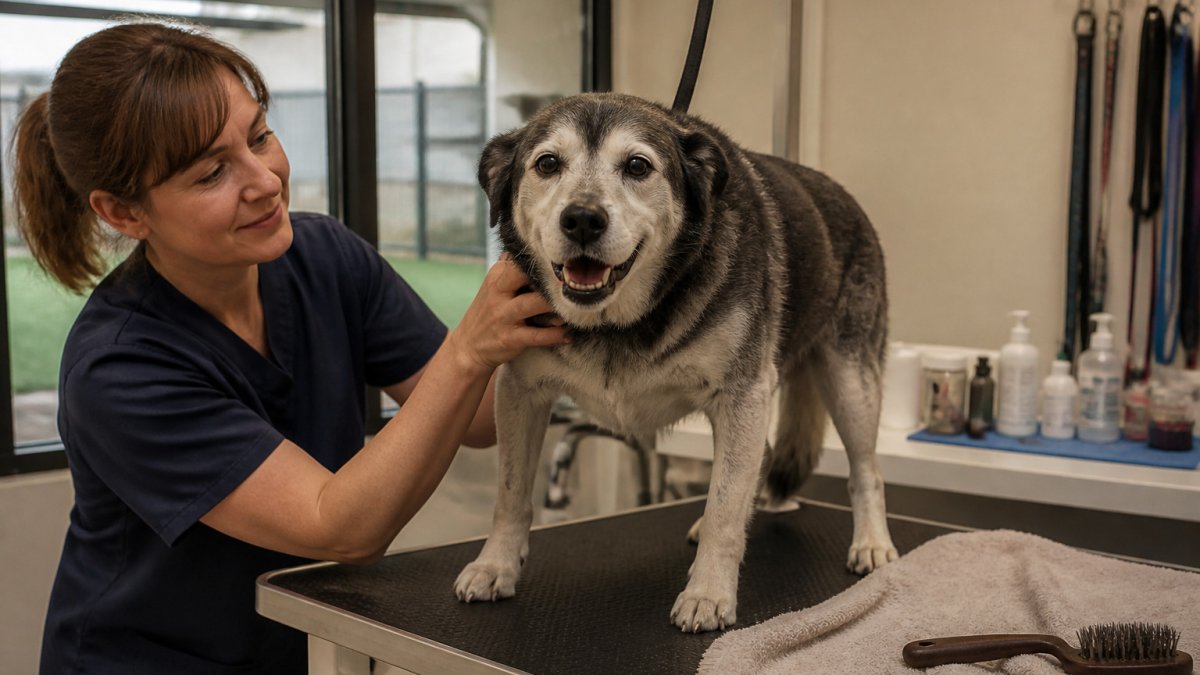
- Hands-on assessment. The only way to catch subtle illness is to touch the dog, check gums, feel for dehydration, take a temperature. Ask how often a sick or senior dog gets a hands-on check.
A kennel that says "24/7 staff" but cannot tell you the overnight check interval is giving you a marketing line, not a monitoring plan.
Risk-based supervision
Not every dog needs the same level of watching. A reasonable kennel adjusts based on:
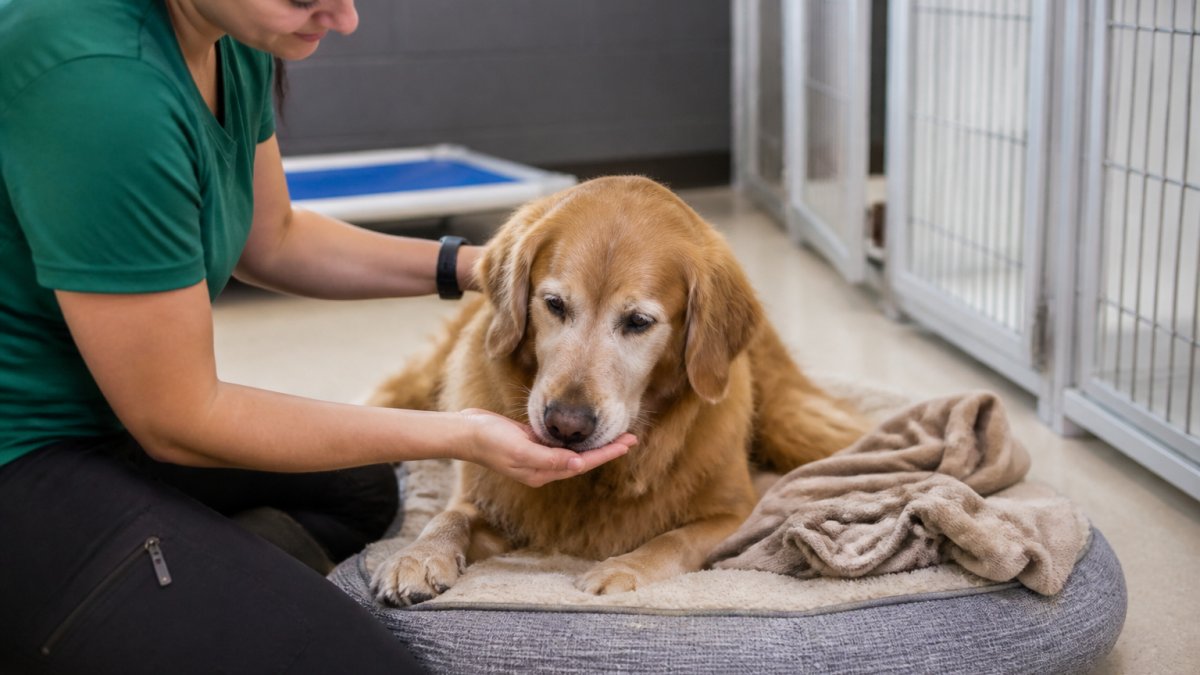
- Age. Puppies and seniors dehydrate and crash faster than healthy adults.
- Chronic conditions. Diabetic dogs, dogs with kidney disease, and dogs on seizure medication need scheduled meds and closer observation.
- Recent surgery or illness. A dog still recovering needs a quieter run and more frequent checks.
If your dog falls into any of these groups, ask the kennel to write the extra checks into your contract.
In dog boarding sick cases, a dog with vomiting, diarrhea, or a mild limp may wait for a same-day vet visit. A dog with trouble breathing, collapse, or seizures needs care right away. The American Veterinary Medical Association's pet emergency guidance outlines which signs count as true emergencies.
The Boarding Kennel Veterinary Care Policy: What You Agree To
A boarding kennel veterinary care policy is the written agreement that says how the kennel handles medical care while you're away. It covers who can treat your dog, how far the kennel will go, and who pays.
Read it before you sign. Look for these details:
- The name of the kennel's on-call vet
- Permission to treat in an emergency
- A spending cap, or your consent to treat without one
If your dog has special medical needs, ask how the kennel handles medication, monitoring, and vet visits. Our guide on boarding services for special needs dogs walks through what to look for.
Your Dog Boarding Emergency Contact Form: What to Include
A strong emergency contact form gives the kennel everything it needs to act fast. Fill it out fully, and update it every stay.
Include:
- Your cell number and a backup number
- A local emergency contact who can step in
- Your regular vet's name, clinic, and phone
Dog Sick After Boarding: When It's Stress and When It's Serious
Some dogs come home tired, loose, or off their food for a day. That is often stress, not illness. Kennel cough, upset stomachs, and clingy behavior can all show up after a stay. The hard part is telling the two apart in the first 24-48 hours, when a stressed dog and a sick dog can look almost identical.
The first-night observation plan
Most post-boarding problems declare themselves in the first night or two. A simple at-home monitoring routine catches them early:
- Check every 2-4 hours while awake. Look at gum color (should be pink, not pale or blue), breathing effort at rest, water intake, and whether the dog will take a treat.
- Track output. Note stool consistency and urine output. One soft stool is not an emergency; three watery stools in a few hours is a call to the vet.
- Take a resting respiratory rate. Count breaths for 15 seconds and multiply by four. A dog breathing noticeably faster than normal at rest, or using the belly to breathe, needs a vet.
Symptom tracker: what to write down
Keep a short log so you can give your vet facts instead of impressions:
| Time | Symptom | Severity (1-5) | Food/water | Notes |
|---|---|---|---|---|
| 8 p.m. | Soft stool | 2 | Ate half, drank | Normal energy |
| 11 p.m. | Vomited once | 3 | Refused food | Restless |
Two or three entries are usually enough for a vet to decide whether the dog needs to be seen.
When to call the vet versus when to watch
- Watch at home: one soft stool, a skipped meal, mild tiredness, or a mild cough that is not worsening, as long as the dog is drinking and responsive.
- Call the vet today: repeated vomiting, diarrhea lasting more than a day, coughing that is getting worse, refusing water, or a fever you measured at home.
- Go to emergency care now: trouble breathing, pale or blue gums, collapse, seizure, a distended abdomen, or unproductive retching.
A common pattern is that stress-related GI upset improves within 24 hours as the dog settles. Kennel cough typically shows up 3-10 days after exposure and worsens before it improves, do not wait it out if the cough is deep or the dog is lethargic.
What cameras and wearables can and cannot tell you
Pet cameras and activity trackers are useful for spotting a dog that is pacing, down, or not eating, and they help you check in overnight without hovering. They cannot detect fever, dehydration, pain, or gum color. Treat them as a supplement to hands-on checks, not a replacement for them.
Call your vet if symptoms last more than a day or get worse. Stress settles. Illness needs care. Our article on signs of stress in boarding dogs helps you tell the two apart.
Emergency vs. Urgent Care: Choosing the Right Vet Visit
Not every sick dog needs an emergency room. Match the visit to the problem.
| Situation | Best Choice | Why |
|---|---|---|
| Trouble breathing, collapse, seizure | Emergency vet | Life-threatening, needs immediate care |
| Repeated vomiting, bloody stool | Urgent care or same-day vet | Serious but often not instantly critical |
| Mild cough, low appetite | Routine vet visit | Can wait for a scheduled exam |
| Small cut, minor limp | Urgent care | Needs care soon, not a crisis |
Emergency care costs more and runs all night. Urgent care handles problems that can't wait for a routine visit. When you're unsure, call the clinic and describe the symptoms.
What to Expect During an Emergency Vet Visit
An emergency visit starts with triage. Staff check your dog's vitals and rank how urgent the case is. A dog in distress gets seen before a dog with a mild limp.
Expect these steps:
- A vet exam and a full history
- Diagnostic testing like blood work, urinalysis, or X-rays
- A treatment plan and a cost estimate before care begins
Ask for the estimate in writing. Ask what each test is for. A good clinic explains the plan in plain language.
Reduce the Risk: Questions to Ask Before You Board
You can lower the odds of a sick dog before you ever drop off. Ask these questions on your tour:
- Is staff on-site 24/7, or does someone check in remotely?
- What's your vaccination policy for all dogs?
- How do you clean and separate sick dogs?
A kennel with clear answers and a clean facility is a safer bet. Our 2026 guide to finding safe dog boarding covers the full checklist. Pair it with our boarding preparation checklist so your dog arrives healthy and ready.
At Ruffin' It Ranch, we keep staff on-site around the clock and watch every dog closely. Our climate-controlled runs and individualized care help dogs stay calm and healthy during their stay. If a dog does get sick, our team acts fast and keeps you in the loop.
Frequently Asked Questions
Will a boarding facility contact me if my dog becomes ill?
Reputable facilities contact you at the first sign of illness, using the numbers on your dog boarding emergency contact form. They typically describe symptoms, share photos or video, and outline the recommended next step. If they cannot reach you, most contracts authorize a preset level of veterinary care. Ask during booking exactly when and how they will notify you, and confirm the order of contacts they will try if your phone is off.
Can a boarding facility take my dog to the vet without my permission?
Only if you have authorized it in writing. A boarding kennel veterinary care policy usually includes a clause allowing staff to seek emergency treatment up to a stated dollar limit if you cannot be reached. Without that signed authorization, the facility may be limited to basic first aid while they keep trying to contact you. Read this clause before you sign, and set a limit you are comfortable with.
Who pays the vet bill if my dog gets sick while boarding?
In most cases, the owner pays, even when the illness was not the facility's fault. Boarding contracts typically state that owners are responsible for veterinary costs, and some facilities require a card on file. If negligence caused the illness or injury, the facility's liability insurance may cover part of the bill, but you may need to file a claim. Ask about the facility's insurance and read the payment clause before boarding.
What symptoms mean a boarded dog needs emergency veterinary care?
Seek emergency care for repeated vomiting, bloody diarrhea, labored breathing, collapse, seizures, a distended abdomen, pale gums, or a temperature above 103°F. These signs can point to serious conditions such as bloat, parvovirus, or toxin exposure. Mild loose stool or a single vomit can often wait for a routine exam, but any rapid decline needs an emergency vet. When in doubt, call the clinic and describe the symptoms.
What should I do if my dog is sick after coming home from boarding?
Call your veterinarian the same day if your dog has vomiting, diarrhea, coughing, lethargy, or refuses food within 48 hours of pickup. Bring your boarding records, including vaccination dates and any incident notes, so the vet has the full picture. Kennel cough and stress-related diarrhea are common after boarding, but some illnesses take days to appear. Early detection makes treatment easier, so do not wait for symptoms to worsen.
A sick dog during boarding is stressful, but a prepared kennel and a complete contact form make it manageable. Ruffin' It Ranch offers 24/7 on-site staff, climate-controlled private runs, and individualized care for every dog, including puppies and those with special needs. Our team watches for early signs and keeps you informed at every step. Book your pet's stay now and travel with peace of mind.